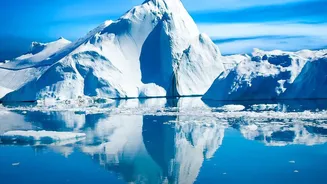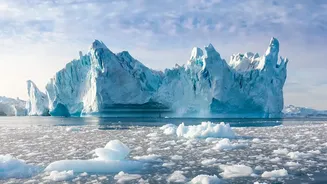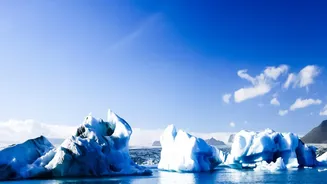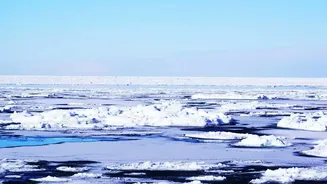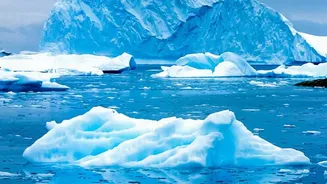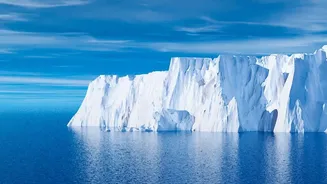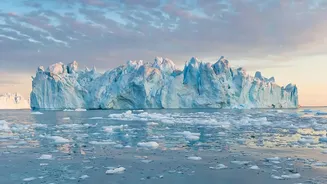




The Sheer Scale of Ice Loss
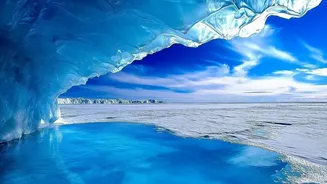
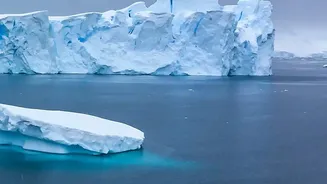
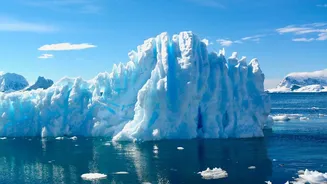
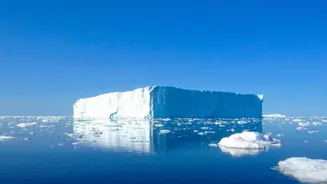
To put 11,309 billion tonnes of ice into perspective, imagine the water it produced. If that meltwater were spread evenly across the entire area of India, it would form a layer of water more than three metres deep. This colossal loss, confirmed by an international
team of scientists using decades of satellite data, has already raised global sea levels by over three centimetres. The study, which combined data from 27 different satellite missions, provides the most comprehensive picture yet of how our planet’s two largest ice sheets are responding to a warming climate. While the number is shocking, even more concerning is the accelerating trend; ice losses increased significantly from the 1990s onwards.
Why Our Poles Are Shrinking
This isn't just a simple story of ice melting under a warmer sun. In fact, scientists found that only about 16% of the ice loss was due to surface melting. The overwhelming majority—a massive 84%—was driven by glaciers accelerating and sliding faster into the ocean. This process is known as dynamic imbalance. As warming ocean waters eat away at the submerged edges of glaciers, they become unstable and their flow into the sea speeds up. This highlights that the warming of our oceans is a primary driver of this long-term trend, creating a feedback loop where warmer water leads to faster ice loss, which in turn affects global systems.
The Direct Threat to India’s Coastline
A few centimetres of global sea-level rise may not sound like much, but it has profound consequences for India's 7,500-kilometre coastline and the hundreds of millions who live there. Coastal megacities like Mumbai, Kolkata, and Chennai are on the front line. These cities are already experiencing more frequent and severe flooding, which disrupts transport, damages infrastructure, and impacts livelihoods. The threat is not just from the slow, steady rise but from how it combines with storm surges and high tides, pushing seawater further inland. Reports indicate that over a third of India's coastline is vulnerable to erosion, a problem made worse by rising seas. For cities like Mumbai and Kolkata, which are in low-lying delta regions, the risk of displacement for millions is becoming a stark reality.
More Than Just Rising Waters
The impact extends beyond flooding. As sea levels rise, saltwater intrudes into coastal aquifers and rivers, contaminating freshwater sources used for drinking and agriculture. This salinization threatens food security and the health of coastal communities. Furthermore, the changes happening at the poles can have far-reaching effects on weather patterns. Research has linked declining Arctic sea ice to changes in the Indian summer monsoon, potentially altering the timing and intensity of rainfall that is vital for the nation's agriculture and economy. The melting of glaciers, both at the poles and closer to home in the Himalayas, also affects the stability of river flows that support hundreds of millions of people.