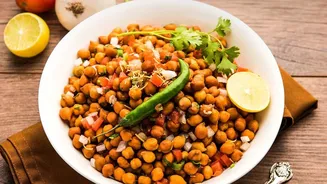







Your Perfect Fasting Companion
As North India observes Shravan from July 30 to August 28, 2026, many devotees will adopt a sattvic diet, avoiding grains, onions, garlic, and regular salt. This chaat is designed with those principles in mind. Makhana, or fox nuts, are a fasting staple,
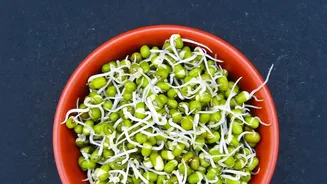
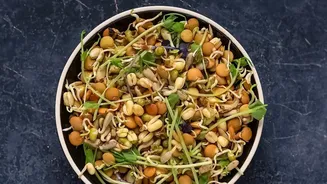
celebrated for being light yet energy-giving. They are a fantastic source of protein, calcium, magnesium, and fibre, making them an ideal food to maintain energy levels during a fast. Sprouts add a boost of vitamins, protein, and dietary fibre, which aids digestion. Together, they create a snack that is not just permissible but genuinely nourishing and tasty.
A Note on Ingredients
While makhana is universally accepted during fasts, the inclusion of sprouts, tomatoes, and certain spices can vary based on family traditions. Pulses are often avoided, which can make sprouts a grey area for some. If you do not consume sprouts during your fast, you can easily substitute them with an equal amount of cubed boiled potato or sweet potato. Similarly, tomatoes are avoided by some; feel free to omit them and increase the amount of cucumber for freshness. The key is to adapt this recipe to your personal and familial fasting customs. Always use sendha namak (rock salt) instead of regular table salt.
Gathering Your Ingredients
This recipe serves two people. Here’s what you’ll need: For Roasting: 2 cups Makhana (fox nuts) 1 teaspoon Ghee (optional, you can also dry roast) For the Chaat: 1 cup mixed bean sprouts OR 1 large boiled potato, cubed 1 small tomato, deseeded and finely chopped (optional) 1 small cucumber, finely chopped 2 tablespoons roasted peanuts 1 green chilli, finely chopped (adjust to taste) 2 tablespoons fresh coriander, chopped 1 teaspoon roasted cumin powder ½ teaspoon black pepper powder Sendha Namak (rock salt) to taste Juice of 1 lemon * 2 tablespoons pomegranate seeds for garnish (optional)
Step 1: Roast the Makhana
The secret to a great makhana chaat is perfectly crispy makhana that doesn't become soggy. Heat a heavy-bottomed pan or kadai over a low flame. If using ghee, add it to the pan. Add the makhana and roast them, stirring continuously, for about 5 to 7 minutes. To check if they are done, take one piece out and try to crush it between your fingers; it should break with a crisp snap. Once they are perfectly crunchy, transfer them to a large bowl and allow them to cool completely. This step is crucial for maintaining their texture.
Step 2: Prepare the Chaat Base
While the makhana cools, you can prepare the rest of the chaat components. In a separate mixing bowl, combine the sprouts (or boiled potatoes), chopped cucumber, chopped tomatoes (if using), roasted peanuts, and finely chopped green chilli. Mix these ingredients gently. This vibrant mix of fresh vegetables and crunchy peanuts forms the flavourful and nutritious base of your chaat. If you're using boiled potatoes, ensure they are also cooled to room temperature before adding them to the mix to prevent them from becoming mushy.
Step 3: Assemble and Serve Immediately
Once the makhana has cooled down, add it to the bowl with the vegetable and sprout mixture. Sprinkle the sendha namak, roasted cumin powder, and black pepper powder over the top. Add the chopped coriander leaves and drizzle the fresh lemon juice all over. Give everything a quick but thorough toss to ensure the makhana and vegetables are evenly coated with the spices and lemon juice. Garnish with pomegranate seeds, if you like a touch of sweetness. It is very important to serve the chaat immediately after mixing. This ensures the makhana stays crunchy and delivers the best texture and taste.