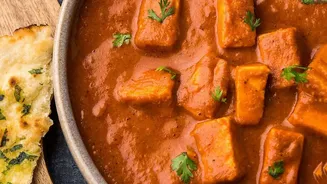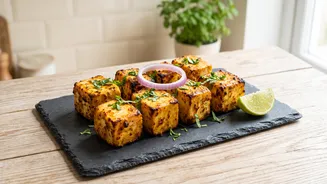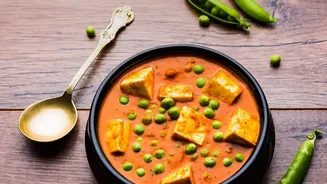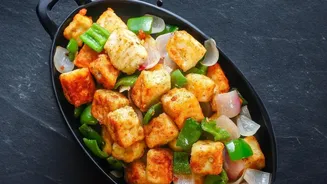






What is 'Analogue Paneer'?
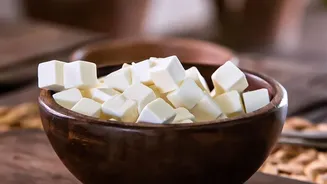
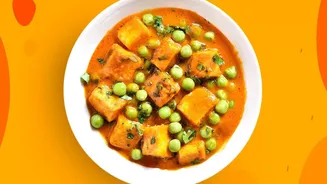
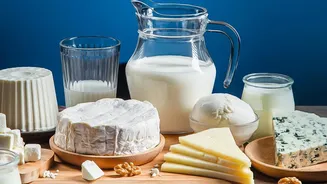
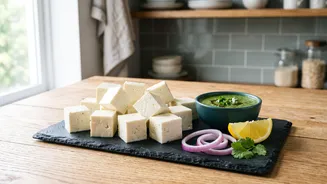
Before diving into the regulation, it helps to know what’s being regulated. Traditional paneer is a fresh cheese made by curdling milk with an acid like lemon juice. 'Analogue paneer', on the other hand, is a product designed to look and feel like paneer but
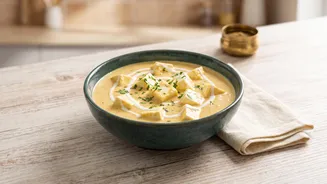
is made by substituting milk components with other ingredients. These often include vegetable oils (like palm oil), starches, plant proteins, and emulsifiers. The primary motivation for using these substitutes is cost, as vegetable fat is significantly cheaper than milk fat. While the term 'analogue' sounds technical, it simply means it's a stand-in, not necessarily an unsafe or illegal product, provided it is labelled correctly. The problem arises when this analogue product is sold or served as real paneer, misleading customers.
Decoding the FSSAI Draft Notification
On September 22, 2026, the Food Safety and Standards Authority of India (FSSAI) issued a draft amendment targeting these paneer analogues. The proposal aims to restrict any product not made from milk from using the word 'paneer' on its packaging, advertising, or menus. If the rule is finalized, any business currently licensed to sell products under the 'Analogue in Dairy Context' category will have to stop using the term 'paneer' entirely. The core goal is to prevent consumers from being misled about the product's true nature and composition. Several states, including Maharashtra, Karnataka, and Telangana, have already taken action against analogue paneer, but this FSSAI draft is a proposed nationwide measure.
Why This Isn't a Ban (Yet)
The headline's mention of the draft not being a final ban is the crucial part of this story. The FSSAI has released a 'draft' regulation, which is a proposal, not a law. As part of the regulatory process, the FSSAI has opened a 60-day window for the public and industry stakeholders to submit objections and suggestions. This feedback will be considered before the final rules are published. This period allows manufacturers, restaurants, and consumer groups to voice their opinions on the proposed change. Therefore, while the intention is clear—to reserve the name 'paneer' for the real dairy product—the final wording and implementation details could still be adjusted based on the feedback received. This process ensures that regulatory changes are made after consulting those who will be affected.
What This Means for You, the Consumer
Ultimately, this move is about empowering consumers. For years, there have been concerns that customers in markets and restaurants are unknowingly buying or eating lower-cost analogue products when they believe they are getting traditional, milk-based paneer. This affects not just their wallets but also their nutritional expectations, as real paneer is a significant source of milk protein for many, especially vegetarians. Analogue versions can have a very different nutritional profile, often lower in protein and higher in vegetable fat. If the FSSAI proposal becomes law, it will be easier to know exactly what you are buying. A product labelled 'paneer' will have to be the dairy original, while alternatives will need to be sold under a different, more accurate name. Restaurants would also be required to disclose on their menus if they are using a paneer substitute.