





The Gentle Support of Aqua Yoga
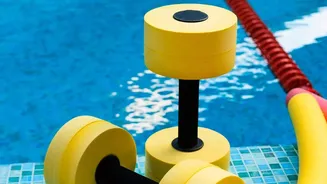
Aqua yoga is exactly what it sounds like: practicing yoga poses in the water, typically a shallow pool. The water’s buoyancy is the key difference-maker here. It supports a significant portion of your body weight, which dramatically reduces impact on your joints,
like the knees and hips. This makes it an excellent choice for individuals with arthritis, joint pain, those recovering from injuries, or anyone looking for a low-impact way to move. While you are in the water, its natural resistance gently works to strengthen muscles, and the subtle instability forces your core to engage to maintain postures, thereby improving balance and coordination over time. Many find that poses that are difficult on land become more accessible in the water, allowing for deeper stretches and improved flexibility.
The Dynamic Challenge of Paddleboarding
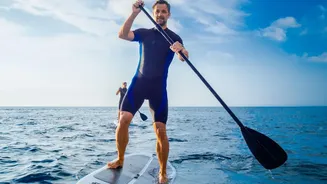
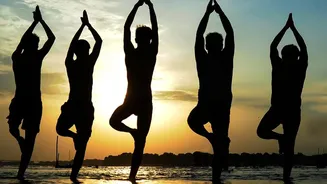
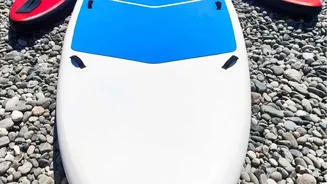
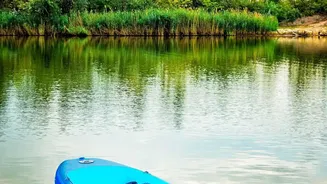
Paddleboarding, especially when combined with yoga (SUP Yoga), presents a completely different kind of balance test. Here, you are not supported by the water, but are balancing on it. The paddleboard is an unstable surface, and any small shift in your weight, a gust of wind, or a passing boat wake requires immediate and significant muscle activation to avoid falling in. This constant state of adjustment provides an intense workout for your core, including deep stabilizing muscles like the transverse abdominis. The practice significantly enhances proprioception—your body’s awareness of its position in space—which is crucial for agility and posture in all aspects of life. Every muscle group, from the tiny muscles in your feet and legs to your back and shoulders, is engaged to maintain stability.
Support vs. Instability: The Core Difference
The fundamental distinction lies in how water is utilized. In aqua yoga, the water is a supportive element. It cushions movement and makes balance easier by slowing you down and reducing the consequences of a wobble. This environment is therapeutic and confidence-building. It allows you to explore your balance in a safe, controlled way. In contrast, paddleboarding uses water to create instability. The goal is not to be supported, but to actively fight against the unpredictable movement of the water. This makes it a much more intense workout for your stabilizing muscles and nervous system. While both can be considered 'balance' workouts, one builds balance through gentle, supported resistance, while the other forges it through constant, dynamic challenge.
Which One Is Right For You?
Choosing between aqua yoga and paddleboarding depends entirely on your fitness goals and current physical condition. Choose Aqua Yoga if: You are new to yoga or exercise. You have joint pain, arthritis, or are recovering from an injury. You want to improve flexibility and balance in a low-impact, supportive environment. You're seeking a more meditative, gentle workout. Choose Paddleboarding or SUP Yoga if: You are looking for an intense core workout. You want to significantly challenge and improve your dynamic balance and coordination. You have a solid fitness base and are comfortable with a higher-intensity challenge (and the possibility of falling in!). You enjoy workouts that require sharp focus and engage your entire body.