



Understanding the Source
First, let's talk about the list itself. TasteAtlas is an online guide to traditional food, collecting recipes, reviews, and research about dishes from around the globe. Unlike the Michelin Guide, which focuses on elite fine dining, TasteAtlas aims to catalogue
the authentic, everyday foods that define a culture. The rankings are generated from audience ratings of individual dishes and food products. For its latest list, the platform analyzed hundreds of thousands of user ratings to determine the world's most popular cuisines. The system attempts to filter out biased or nationalistic votes to create a more authentic reflection of global tastes.
Who Topped the Charts?
To understand India's position, it helps to see who secured the top spots. In the 2025/2026 rankings, Italy took the number one position, celebrated for its globally beloved dishes. It was followed closely by Greece in second and Peru in third place. European cuisines featured heavily in the top tier, with Portugal and Spain also landing in the top five. This context shows that the competition is fierce, with many of the world's most established culinary traditions vying for prominence.
India’s Culinary Highlights
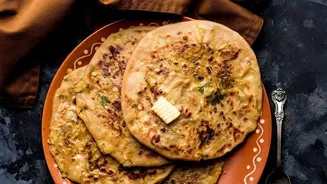
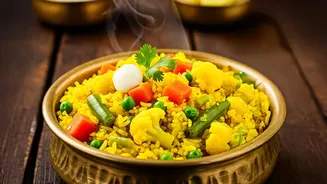
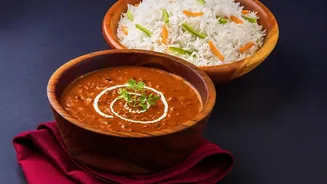
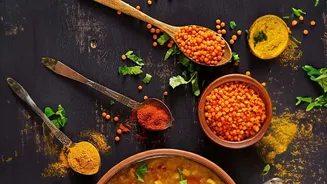
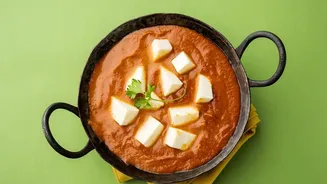
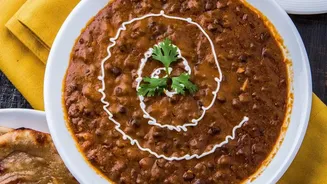
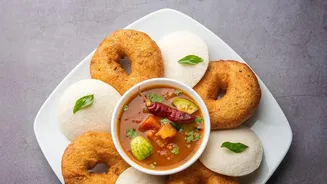
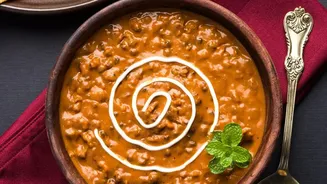
While the overall rank might be a point of discussion, the data reveals a deep appreciation for specific Indian foods. Indian breads, in particular, received outstanding recognition, with Butter Garlic Naan and Amritsari Kulcha being ranked as some of the best breads globally. Other dishes that consistently earn high ratings include Murgh Makhani (Butter Chicken), Hyderabadi Biryani, Masala Dosa, and Chole Bhature. Even Garam Masala, the quintessential spice blend, was highlighted as a must-try element of Indian cooking, reinforcing that the world is embracing the complexity and depth of Indian flavours beyond just 'curry'. It shows that while the overall cuisine ranked 13th, many of its components are considered world-class.
The Inevitable Debate: Is 13th Fair?
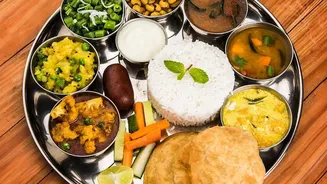
For a country as vast and culinarily diverse as India, can a single number ever do it justice? Many would argue it cannot. From the coastal delicacies of Kerala to the robust flavours of Punjab and the unique sweets of West Bengal, Indian food is not one cuisine but a collection of many. TasteAtlas itself has started to recognize this, ranking Southern India (40th) and West Bengal (73rd) in its list of best food regions. Furthermore, Mumbai was ranked as the 5th best food city in the world, a testament to its vibrant street food culture. These audience-voted lists often favour dishes that are more internationally known, which might explain why a country with hundreds of distinct regional cuisines might not score as high as nations with more globally homogenous culinary identities.
Beyond the Numbers
Ultimately, rankings like these are a conversation starter more than a definitive verdict. The fact that Indian cuisine consistently places in the upper echelons of global lists is a sign of its enduring and growing influence. The conversation has shifted from explaining what Indian food is to celebrating its nuances. The world is no longer just being introduced to a generic 'spicy' curry; it's learning to appreciate the difference between a Hyderabadi Biryani and a Lakhnawi one, the crispness of a Dosa, and the flaky layers of a Malabar Parotta. This growing awareness and appreciation is arguably more important than any numerical rank.