


The Savoury Foundation: Fafda
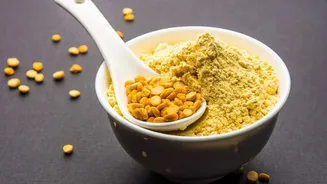
Fafda is the salty, crunchy component of this beloved duo. Made from a simple dough of gram flour (besan), seasoned with salt, turmeric, and carom seeds (ajwain), its preparation is an art form. Skilled makers press and stretch small portions of the dough into
long, thin, rectangular strips using the base of their palm before deep-frying them to perfection. The result is a delicate, crispy snack that is light and melts in the mouth. Unlike other crunchy snacks, fafda has a distinct softness to its crispness, making it incredibly addictive. It's a staple of Gujarati 'farsan' (salty snacks) and serves as the perfect savoury counterpoint to the meal's sweet star.
The Sweet Swirl: Jalebi
Jalebi, with its bright orange hue and intricate spiral shape, provides the sweet side of the equation. While fafda is native to Gujarat, jalebi has a more storied past, having travelled to India from West Asia, where it was known as 'zalabiya'. It is made from a fermented batter of flour which is piped in concentric circles into hot oil and fried until crisp. These golden swirls are then immediately plunged into a warm sugar syrup, often fragrant with cardamom and saffron. This process gives the jalebi its signature dual texture: a crunchy exterior that gives way to a chewy, syrup-filled centre. The result is a burst of sweetness that is both immediate and satisfying.
A Perfect Culinary Balance
The genius of the fafda-jalebi pairing lies in its perfect contrast. The salty, mildly spiced flavour of the fafda cuts through the intense sweetness of the jalebi, preventing either from becoming overwhelming. It’s a dance of textures and tastes: the crispiness of the fafda against the syrupy crunch of the jalebi; the savoury notes of gram flour and spices against the pure sugary delight. This combination creates a harmonious balance that is incredibly satisfying and leaves you reaching for one then the other. It's a culinary lesson in how opposites can attract to create something truly exceptional.
A Ritual Steeped in Tradition
While fafda-jalebi is a popular breakfast any weekend, its consumption becomes a near-statewide ritual on the festival of Dussehra. Following the nine nights of Navratri, which often involve fasting, this combination is the celebratory meal of choice. There are mythological roots tied to this tradition. Legend suggests that Lord Rama celebrated his victory over Ravana with his favourite sweet, an ancient form of jalebi called 'Shashkuli'. Simultaneously, gram flour snacks were a favourite of his devotee Hanuman. By eating both, celebrants honour both figures. On a practical level, breaking a fast with gram flour items like fafda is considered gentle on the digestive system, while the sugar in jalebi provides a much-needed energy boost.
The Complete Experience
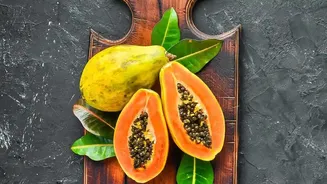
A platter of fafda-jalebi is rarely served alone. It comes with an entourage of accompaniments that elevate the meal. The most common is a 'sambharo,' a tangy and spicy salad made from shredded raw papaya and fried green chillies. This adds a fresh, crunchy element and another layer of flavour. A green chutney, made with mint and coriander, is also often present. For many, the only way to enjoy this meal is with all its components, creating a plate that is a vibrant tapestry of sweet, salty, spicy, and tangy flavours. On Dussehra morning, long queues form outside 'farsan' shops from the early hours, a testament to the dish's enduring hold on Gujarati culture.