



A Familiar Name for a New Era
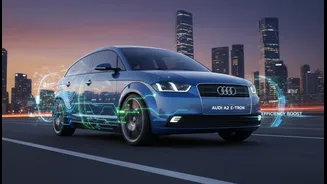
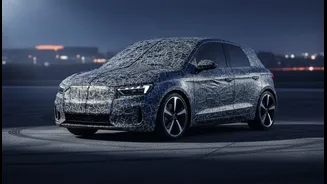
The heavily camouflaged vehicle testing on European roads is the upcoming Audi A2 e-tron. This model resurrects a nameplate from the early 2000s, which was celebrated for its innovative lightweight aluminum construction and futuristic, efficiency-focused
design. Audi has confirmed the A2 e-tron will be its new entry-level electric family, aiming to make premium EV ownership more accessible. According to Audi CEO Gernot Döllner, the car is designed to be an efficient and confident compact vehicle for a broad international customer base, particularly in urban environments. This model signifies a strategic shift, serving as the new entry point to the brand following the discontinuation of the smaller A1 and Q2 models. Its mission is to carry the forward-thinking spirit of the original A2 into the electric age.
Decoding the Design
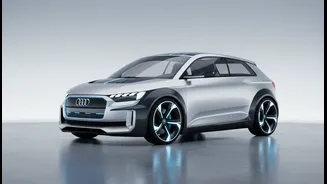
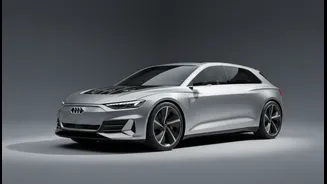
Recent spy photos, some showing the car with just a thin layer of tape or a branded livery, have provided the clearest look yet at its design. The A2 e-tron takes the form of a high-riding hatchback with a sleek, 'Sportback' profile that incorporates some crossover styling cues. The front end is distinctly electric, featuring a fully enclosed grille and Audi’s now-common split headlight design, with slim daytime running lights positioned above the main beams. The side profile is dynamic, with a sloping roofline that ends in a prominent rear spoiler, reminiscent of the original A2. Other notable details include pronounced wheel arches, aerodynamically optimized wheels, and unique winglet-style door pulls similar to those on other modern EVs.
Under the Skin: A Shared Foundation
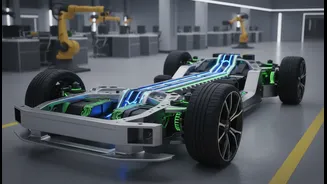
One of the most significant details about the A2 e-tron is its platform. Unlike Audi's larger electric models like the Q6 and A6 e-tron, which use the high-end Premium Platform Electric (PPE) co-developed with Porsche, the A2 e-tron will be built on the Volkswagen Group's proven MEB architecture. This is the same platform that underpins other popular Group EVs, including the Volkswagen ID.3 Neo. This strategic decision allows Audi to leverage the scale of the VW Group to produce a more affordable compact model. The MEB platform is designed for small to medium-sized EVs, while the PPE is reserved for larger, more premium vehicles, creating a clear technological distinction within Audi's growing electric portfolio.
Power, Range, and Interior Tech
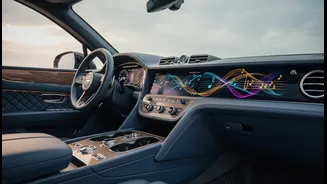
By sharing its foundation with the VW ID.3 Neo, the A2 e-tron's specifications are expected to be competitive for the segment. Reports suggest it will be offered with several battery options, likely ranging from around 50 kWh to a larger 79 kWh pack. This could translate to a maximum range of approximately 630 kilometers on a single charge, making it highly practical for daily use and longer journeys. Motor outputs are expected to include several variants, with power ranging from about 168 to 228 horsepower. While interior photos are still scarce, the cabin is expected to follow the layout seen in the current Audi Q3, featuring an 11.9-inch digital instrument cluster and a large 12.8-inch central infotainment system, blending familiar Audi quality with modern tech.
Audi's New Gateway to Electric
The A2 e-tron is more than just a new car; it's a cornerstone of Audi's future strategy. With production set to take place at the brand's main plant in Ingolstadt, Germany, it represents a significant commitment to its home manufacturing base. As the brand's new entry-level offering, it will play a crucial role in attracting a younger, more diverse group of buyers to electric mobility. It enters a fiercely competitive market for premium compact EVs, where it will challenge established players and new entrants alike. The combination of a respected badge, practical design, and accessible technology positions the A2 e-tron to become a volume seller and a key driver of Audi's all-electric ambitions.