

The Weekend Watering Ritual
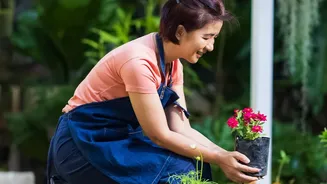
Set aside time on a Saturday or Sunday for your main watering session. Instead of a fixed schedule, use the 'finger test': poke your finger about an inch into the soil. If it feels dry, it's time to water. Water thoroughly until it drains from the bottom
of the pot. This encourages deep root growth. Balcony plants, exposed to wind and sun, can dry out faster than those in the ground. Watering early in the morning is ideal, as it helps plants endure the day's heat and reduces evaporation. For plants that have dried out completely, placing the pot in a tub of water for 20-30 minutes can help rehydrate the soil effectively.
The Mid-Week Moisture Check
A quick check-in around Wednesday is crucial, especially during hot Indian summers or for plants in smaller pots which dry out faster. You don't need to water everything automatically. Just perform the same finger test on thirstier plants like flowering varieties or those in direct sun. This quick, five-minute task prevents plants from becoming overly stressed from lack of water and helps you stay connected to their needs without it feeling like a major chore. Consistent moisture is more important than heavy watering once a week.
The Sunday Health Inspection
Make it a habit to spend a few minutes every Sunday closely observing your plants. Look under leaves for common pests like aphids, spider mites, or mealybugs. Early detection is the most effective form of pest control. Also, look for yellowing leaves or signs of disease. Many pests can be managed by simply wiping them off or using a gentle spray of soapy water. For a simple homemade solution, mix one teaspoon of mild liquid soap in a litre of water. Using natural options like neem oil spray can also help manage pests effectively without resorting to harsh chemicals.
Feed Your Plants Friday
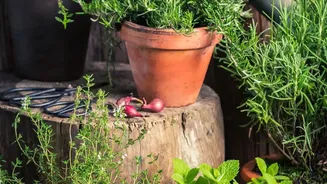
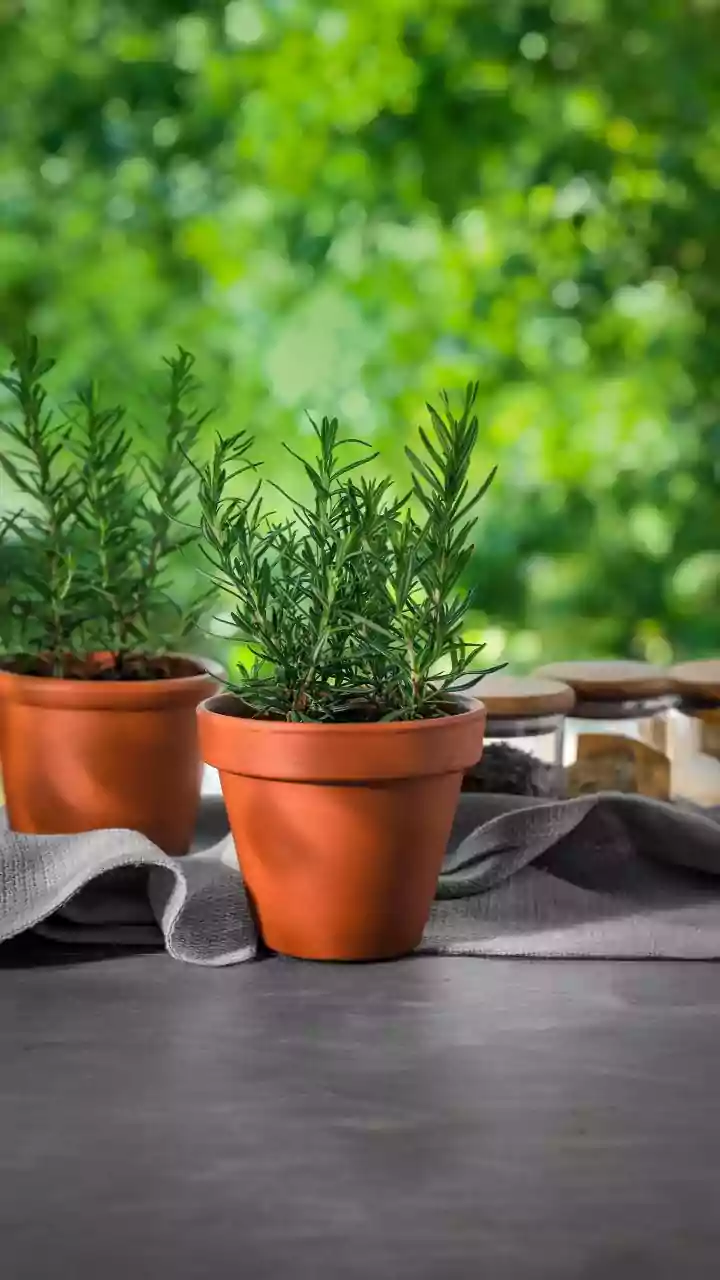
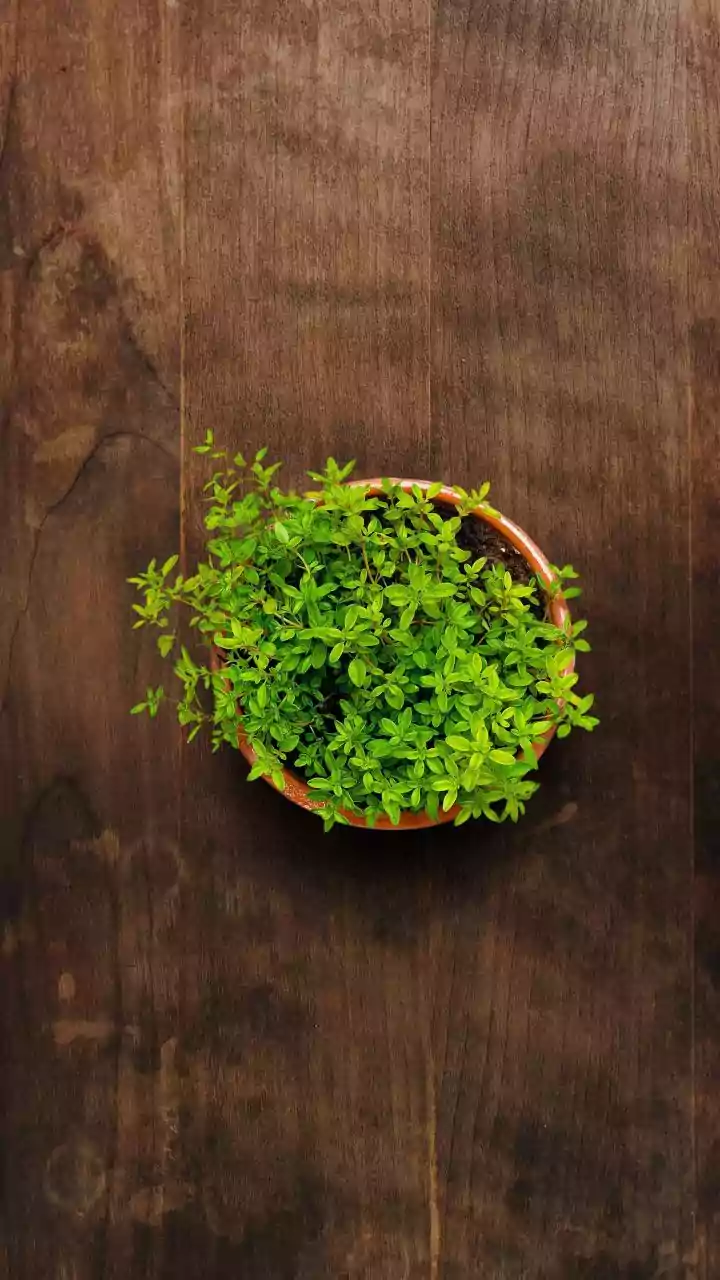
Container plants lose nutrients much faster than garden plants because frequent watering flushes them out. Designate one day, like Friday, for feeding. A weekly or bi-weekly feed with a diluted liquid fertilizer during the growing season (spring and summer) is highly effective. Always follow the package instructions to avoid over-fertilizing, which can damage roots. For a simpler approach, you could use a half-strength fertilizer weekly instead of a full-strength one every two weeks. Some plants, like herbs such as rosemary and thyme, prefer nutrient-poor soil and don't need frequent feeding.
Tidy, Prune, and Rotate
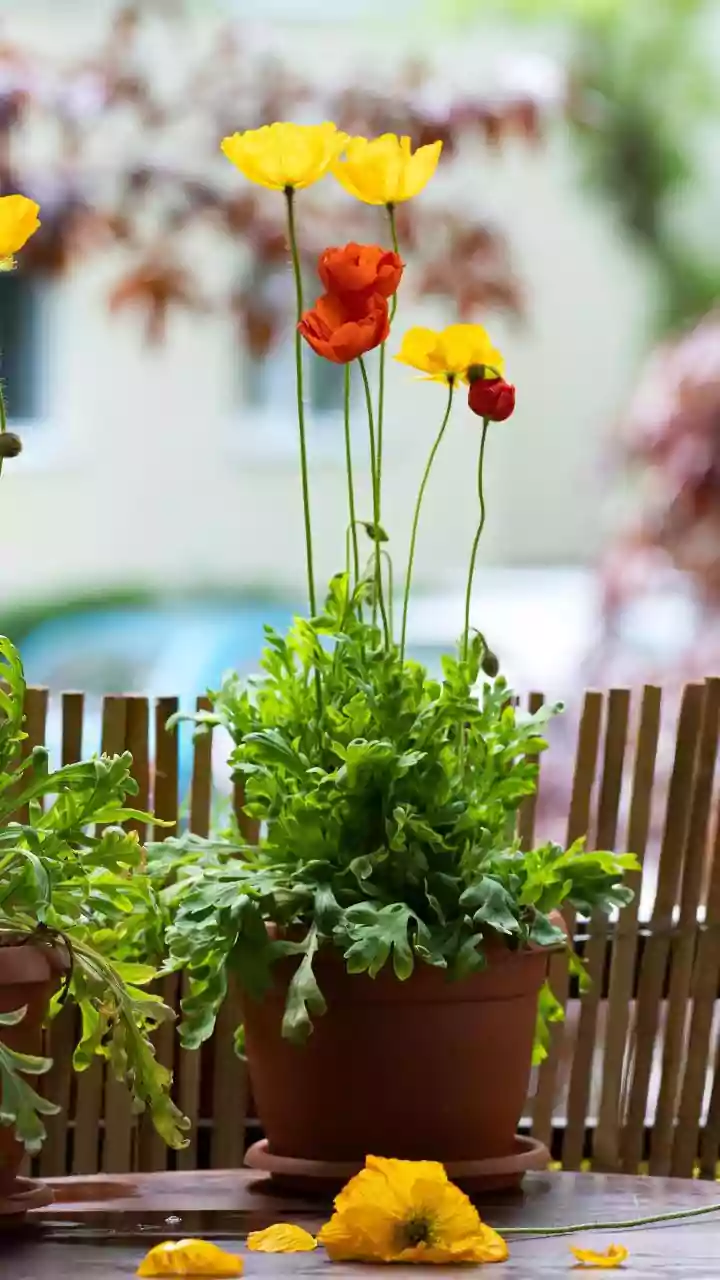
Throughout the week, as you notice them, pinch off any dead or yellowing leaves. This not only keeps the plant looking neat but also directs its energy towards new, healthy growth. Pruning faded flowers, also known as deadheading, encourages the plant to produce more blooms. It's also a good practice to rotate your pots a quarter turn every week. This ensures all sides of the plant get adequate sunlight, promoting even, balanced growth instead of having it lean in one direction.
Group Plants with Similar Needs
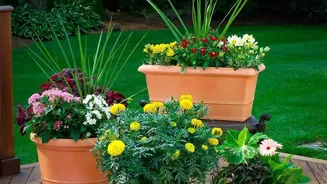
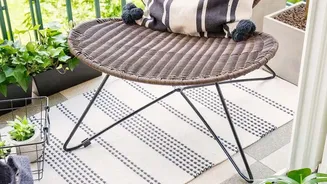
Make your routine even easier by arranging your balcony garden strategically. Group plants that have similar water and sunlight requirements together. For instance, place sun-loving plants like hibiscus and marigolds in the sunniest spot, and shade-tolerant plants like ferns and money plants in a less exposed area. This 'companion planting' approach simplifies care, as you can water and tend to an entire group at once instead of treating each pot individually. It also helps create a more resilient micro-environment, as grouped plants can offer each other some protection from wind.