





Europe's Foothold in Africa
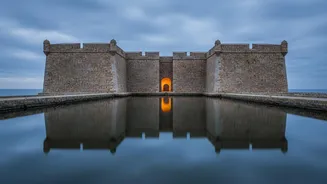
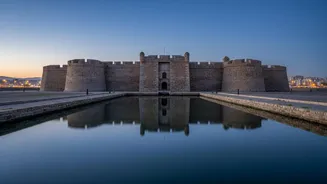
Ceuta and Melilla are two Spanish autonomous cities located on the Mediterranean coast of North Africa, surrounded by Morocco. Despite their location, they are integral parts of Spain, complete with Spanish administrations, representation in the Spanish Parliament,
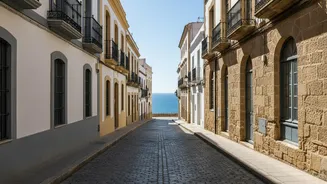
and the Euro as their currency. Their status makes them the European Union's only land borders with Africa, a geographical and political anomaly that has defined their existence for centuries. Life in these cities is a unique blend of European and North African influences. Residents live a life comparable to any small city in southern Spain, with Spanish public services, holidays, and a temperate climate. However, this European reality is enclosed by formidable border fences, a constant reminder that just metres away lies a different continent and a vastly different economic world.
A History Forged in Conquest
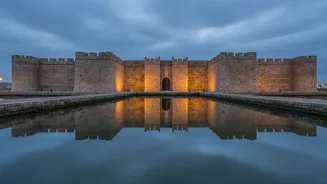
The Spanish presence in these cities is not a recent colonial relic but dates back over 500 years. Portugal conquered Ceuta in 1415, and it passed to Spanish rule in the 17th century. Spain took Melilla in 1497. These conquests were part of the broader European expansion following the Reconquista, aimed at securing Mediterranean trade routes. Spain argues this long history makes the cities fundamentally Spanish, predating the existence of the modern Moroccan state. However, since gaining independence from France and Spain in 1956, Morocco has consistently contested Spain's sovereignty, viewing the enclaves as occupied territory that should be returned. This unresolved territorial dispute is a constant undercurrent in Spain-Morocco relations, flaring up periodically and complicating diplomatic ties.
Fortress Europe's Front Line
The border separating Ceuta and Melilla from Morocco is one of the most heavily fortified in the world. High-tech fences, reinforced with barbed wire, thermal cameras, and constant patrols, are designed to prevent unauthorised entry into what is effectively EU territory. For many migrants from across Africa, these fences represent the final, physical barrier on a long and perilous journey toward Europe. Reaching them means having a chance to apply for asylum on European soil without undertaking the dangerous sea crossing to mainland Spain. This makes the borders of Ceuta and Melilla a powerful magnet and a recurring flashpoint for migration crises. The fences are a stark, physical manifestation of 'Fortress Europe' policy, creating a visible divide between two continents.
The Human Cost of a Hard Border
The intense border security has a significant human cost. Over the years, thousands of people have attempted to scale the fences or swim around the breakwaters that extend into the sea. These attempts often end in tragedy. In late July 2026, a massive surge saw an estimated 72,000 migrants attempt to cross into Ceuta, resulting in dozens of deaths. Such events trigger humanitarian crises, overwhelming the cities' resources and creating scenes of desperation. The images of young men climbing fences or clinging to coastlines highlight the intense pressure at this border. For Spain, managing these influxes is a major challenge; for Morocco, border control has at times become a tool of political leverage in its diplomatic relationship with Spain and the wider EU.
A Diplomatic and Cultural Crossroads
Beyond the tensions, Ceuta and Melilla are vibrant cultural melting pots where Christian, Muslim, Jewish, and even small Hindu communities have coexisted for generations. This unique social fabric is one reason many residents, including those with Moroccan roots, wish to remain part of Spain, valuing the access to European public services and economic stability. However, the sovereignty issue remains a potent diplomatic bargaining chip. In August 2026, statements from a Moroccan minister reviving the territorial claim were met with a firm rejection from Spain, with the Defence Minister stating the cities were 'super-Spanish' and non-negotiable. Moroccan authorities also recently increased security to prevent further mass crossing attempts, demonstrating the delicate balance of cooperation and conflict that defines this frontier.