
A Miracle in the Mountains
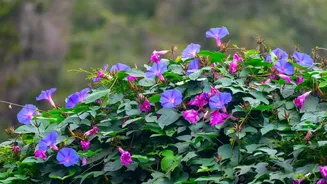
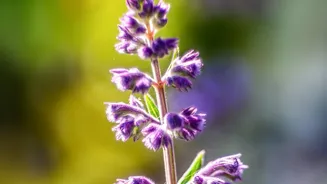
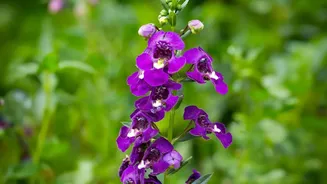
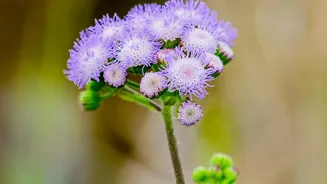
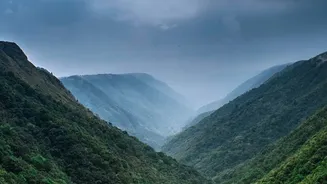
Deep in the shola forests of the Western Ghats, a unique shrub known as Strobilanthes kunthiana, or Neelakurinji, follows its own patient rhythm. Unlike most plants, it has a synchronized flowering cycle of 12 years. When it finally blooms, between August
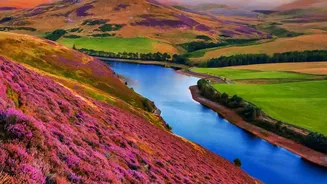
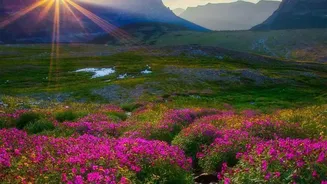
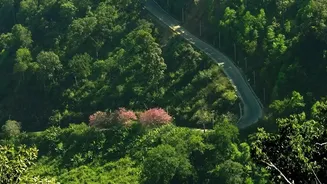
and October, it transforms the rolling grasslands of Kerala, Tamil Nadu, and Karnataka into a surreal blue landscape. The Nilgiri Hills, which literally means 'Blue Mountains', is believed to have earned its name from this very flower. This isn't just a pretty sight; it is a finely tuned biological marvel. The plant is monocarpic, meaning it flowers only once, sets seeds for the next generation, and then dies.
The Countdown to 2030
The last major mass blooming occurred in 2018, drawing lakhs of visitors to witness the phenomenon. Following the 12-year clock, the next grand spectacle is anticipated in 2030. While smaller, localised blooms of different Kurinji species can sometimes occur in the interim, the massive, landscape-covering event is still years away. This makes the wait part of the experience, a lesson in nature’s unhurried timeline. The main hub for this event is Munnar, particularly within the protected confines of Eravikulam National Park, the natural habitat of the endangered Nilgiri Tahr, which can be seen amidst the blossoms.
The Fragility of the Bloom
The very popularity of the Neelakurinji poses the greatest threat to its survival. Past blooming seasons have seen an overwhelming influx of tourists, leading to concerns about the delicate ecosystem. The primary threat comes from seemingly small actions with big consequences: trampling the shrubs to get a better photo, leaving behind plastic and other waste, and the most damaging act of all—plucking the flowers. Conservationists have long campaigned for the protection of these habitats, which are under pressure from agriculture and development. The government has also stepped in, establishing the Kurinjimala Sanctuary in Kerala to protect the plant's core habitat.
Why You Must Not Pick the Flowers
Plucking even a single Neelakurinji flower disrupts a vital ecological process. Because the plant flowers only once in its lifetime, that single bloom is its only chance to produce seeds for the next generation. When flowers are plucked, the cycle is broken. It prevents the plant from propagating, directly threatening the future of this 12-year spectacle. In recognition of its endangered status, the Neelakurinji was listed under Schedule III of the Wildlife (Protection) Act, making it a protected plant. Anyone found plucking or destroying the plant can face a fine of up to ₹25,000 and imprisonment for up to three years.
How to Be a Responsible Visitor
When planning a trip for the 2030 bloom, the key is to be a mindful traveller. Eravikulam National Park, a primary viewing area, has strict rules. Private vehicles are not allowed; visitors are transported on park-run buses to limit disruption. Once there, you must stick to designated paths and are prohibited from carrying food items or plastics onto the trails. The most important rule is simple: look, admire, and take all the photos you want, but do not touch or pick the flowers. Adhering to these guidelines ensures the shola grasslands remain protected and that this natural wonder can continue to inspire future generations.