




Dynamic vs. Static Challenge
The most significant difference lies in how each activity challenges your stability. Skating, whether on rollerblades or a skateboard, is the essence of dynamic balance—maintaining control while in constant motion. Your body must make hundreds of split-second
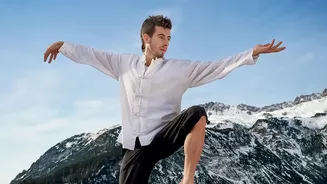
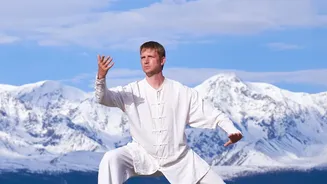
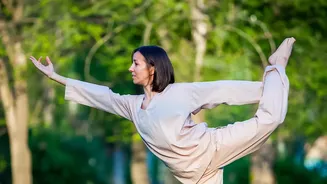
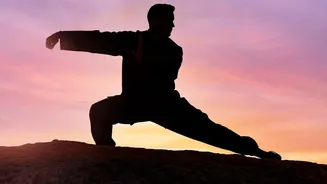
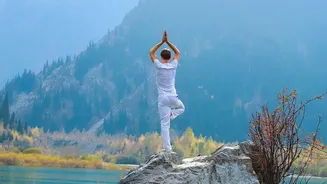
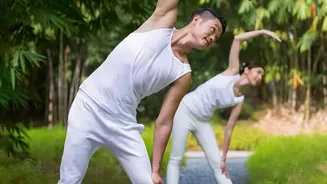
adjustments to changes in surface, speed, and direction. This trains reactive stability, improving your ability to recover from a sudden trip or stumble. In contrast, Tai Chi is a masterclass in static and slow-motion balance. It involves calm, deliberate shifts of weight from one foot to the other. This practice builds a deep awareness of your centre of gravity and improves postural control by forcing you to remain stable through slow, flowing movements.
Muscle Engagement and Core Strength
Both activities are excellent for building a strong core, but they do it differently. Skating is a powerful lower-body and core workout. Every push, glide, and turn engages your glutes, quads, hamstrings, and calves. Crucially, your abdominal and lower back muscles work constantly to keep your torso stable over a shifting base. This creates functional strength that supports dynamic movements. Tai Chi also strengthens the legs and core, but through sustained postures and controlled transitions rather than explosive power. Holding specific stances and moving slowly builds muscular endurance and stability. Research shows this method is particularly effective at strengthening the muscles that prevent falls, especially in older adults.
The Mental Game: Reactive vs. Meditative
Your brain is just as involved in balance as your muscles are. Skating demands a high level of external focus and quick reflexes. You're constantly scanning the path ahead, anticipating cracks in the pavement, and reacting to your environment. It's a mental workout in real-time problem-solving.Tai Chi, often called 'meditation in motion', takes the opposite approach. The focus is internal and mindful. Practitioners concentrate on their breath and the precise position of their body in space. This cultivates a strong mind-body connection and enhances proprioception—your internal sense of where your body parts are without having to look. This meditative quality can also reduce stress and calm the nervous system.
Proprioception: Training Your Body's GPS
Both activities are fantastic for training proprioception, the body's ability to sense its own position in space. This 'sixth sense' relies on feedback from nerves in your muscles and joints. In Tai Chi, the slow, deliberate movements give your brain ample time to process these signals, refining your body awareness. Studies show this enhanced proprioception is a key reason Tai Chi is so effective at preventing falls.Skating challenges proprioception in a more chaotic, fast-paced way. Your brain must instantly process information from your feet and ankles to keep you upright on a narrow, rolling base. This sharpens your neuromuscular control and your body's ability to make automatic adjustments to maintain stability, much like catching yourself before you fall.
Which Is Right for You?
Choosing between skating and Tai Chi depends on your personality, fitness level, and goals. If you crave speed, enjoy a high-energy cardiovascular workout, and want to build reactive, dynamic balance, skating is an excellent choice. It’s a fun, powerful way to build strength and coordination.If you prefer a low-impact, mindful practice that reduces stress while systematically improving your stability and body awareness, Tai Chi is unparalleled. Its gentle, scalable nature makes it accessible to people of all ages and fitness levels, and it has been extensively studied for its benefits in fall prevention. Ultimately, both paths lead to better balance; the best one is the one you'll enjoy and practice consistently.