

The Protein Obsession's Blind Spot
For years, the wellness mantra has been simple: more protein is better for building muscle, staying full, and managing weight. This has led to a boom in products from protein water to fortified chips. However, a growing body of scientific analysis, including
a major review of over 350 studies, is challenging this quantity-focused approach. Researchers are now urging caution, suggesting that for many people, the source of the protein is far more important for long-term health than the sheer number of grams consumed. Some studies have found that high-protein diets, particularly from certain sources, are associated with higher rates of chronic diseases like cancer, diabetes, and cardiovascular disease.
What Is Protein Quality, Anyway?
Protein quality isn't just a marketing term; it's a scientific concept based on two key factors: amino acid profile and digestibility. Proteins are made of building blocks called amino acids. There are nine 'essential' amino acids our bodies can't make, so we must get them from food. A 'complete' protein contains all nine. High-quality proteins are not only complete but are also easily digested and absorbed by the body, allowing for efficient use in muscle repair and other functions. This is why two foods with the same amount of protein on the label can have vastly different effects on your health.
High-Quality vs. Low-Quality Sources
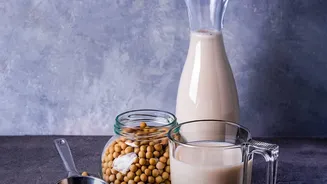
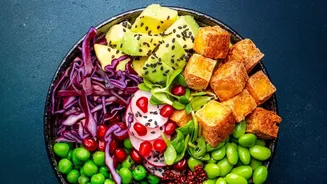
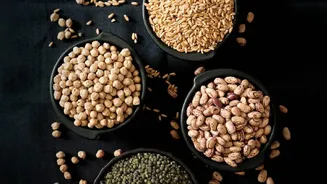
So what should you be eating? High-quality protein sources are typically those that are complete and highly bioavailable. These include animal products like lean meats, poultry, fish, eggs, and dairy products like Greek yogurt and cottage cheese. Among plant-based options, soy (tofu, tempeh) and quinoa are notable for being complete proteins. On the other hand, many plant proteins are 'incomplete', meaning they lack one or more essential amino acids. However, this is easily solved by eating a variety of plant sources—like rice and beans—throughout the day. The bigger concern highlighted in recent reviews is the link between processed red meats and some animal proteins with higher risks of chronic disease, suggesting that even high-quality sources need to be chosen with care.
The Health Risks of Getting It Wrong
Focusing solely on protein quantity while ignoring quality could have significant long-term health consequences. Several large-scale studies have found that diets high in animal protein, particularly from processed and red meats, are linked to an increased risk of heart disease and certain cancers. Conversely, substituting animal protein with plant-based protein has been associated with a lower risk of premature death. For example, a 2024 study found that people who ate more plant protein were significantly less likely to develop chronic diseases. The American Heart Association recommends prioritizing plant sources, fish, and lean, unprocessed poultry and dairy over red meats.
A Smarter Protein Strategy for Your Plate
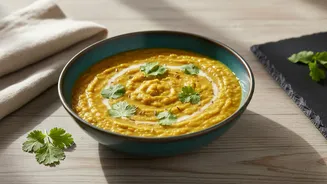
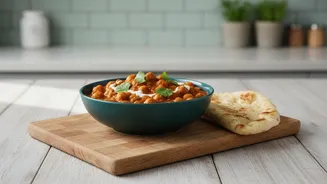
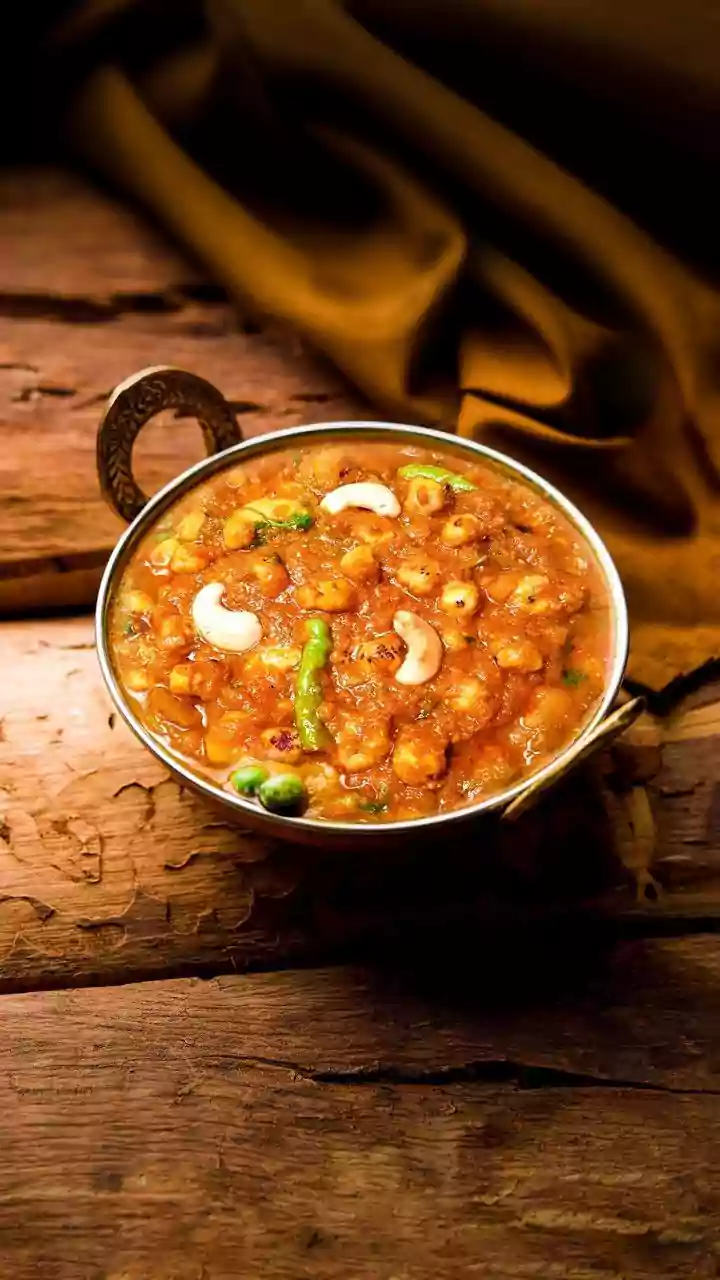
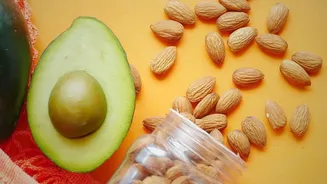
For the average person who isn't an elite athlete, the consensus is shifting towards a more balanced approach. Rather than fixating on hitting a huge protein target, the focus should be on the overall quality of your diet. This means prioritizing whole foods over highly processed products. A practical strategy for many Indians could involve incorporating a diverse range of proteins. This includes high-quality vegetarian sources like paneer, Greek yogurt, lentils (dal), and chickpeas, alongside lean animal sources like chicken and fish if you eat them. Combining different plant proteins, like pairing a dal with whole-grain roti, ensures you get a complete amino acid profile. The key is variety and choosing sources that come with other beneficial nutrients like fibre and vitamins, rather than those packed with saturated fat and preservatives.