


A New View From Above
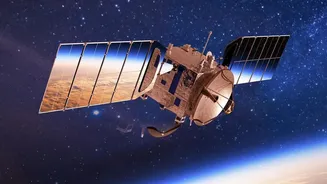
The data comes from NASA's PREFIRE mission, which stands for the Polar Radiant Energy in the Far-InfraRed Experiment. Using a pair of shoebox-sized satellites, called CubeSats, NASA has been able to measure a specific type of energy that had previously
not been comprehensively tracked on a global scale. These tiny satellites, which began collecting data in July 2024, have now captured two full seasonal cycles at both the Arctic and Antarctic. The result is a first-of-its-kind continuous map showing how surface temperatures pulse and change, revealing just how dramatically—and differently—the two poles behave.
What Is This 'Hidden Heat'?
The 'hidden heat' refers to far-infrared radiation. Think of Earth's energy system like a budget: energy comes in from the sun, and to stay balanced, Earth has to radiate energy back out into space. A huge portion of this outgoing energy—nearly 60 percent—is in the form of far-infrared radiation, which is invisible to our eyes. Previously, our global observing systems couldn't measure this part of the energy spectrum very well. The PREFIRE mission was specifically designed to fill this critical gap. By measuring this invisible heat, scientists can get a much better handle on how efficiently the poles are cooling the planet. This data helps them understand why the poles are changing so rapidly and what it means for the rest of the world.
The Poles as Global Regulators
The poles act as Earth's refrigerators. Ocean and atmospheric currents carry excess heat from the tropics toward the poles, where much of it is supposed to radiate away into space. This process helps regulate the planet's temperature. The temperature difference between the warm tropics and the cold poles is what drives our global weather systems. However, as the planet warms, this system is being disrupted. The Arctic, in particular, is warming two to four times faster than the rest of the globe, a phenomenon known as Arctic Amplification. This shrinking temperature contrast weakens the jet stream, leading to more extreme and persistent weather patterns, like the heatwaves and cold snaps seen in recent years.
Different Poles, Different Stories
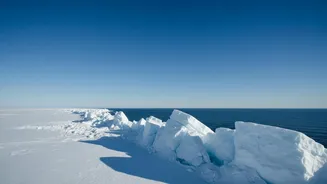
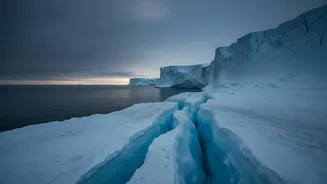
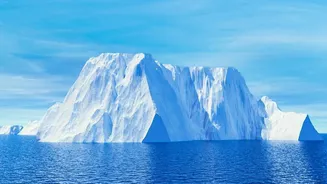
The two-year dataset from PREFIRE has highlighted the stark differences between the Arctic and Antarctic. Because they are in opposite hemispheres, their seasons are reversed. But their geography also plays a huge role. In the Arctic, summers can be warm enough to melt vast areas of sea ice and tundra. In Antarctica, the coldest continent on Earth, summer temperatures often remain below freezing. These differences affect how each pole radiates heat. Changes in the surface—from reflective ice to dark, heat-absorbing open ocean—drastically alter the local energy budget. Understanding these nuances is crucial for building more accurate climate models.
Why This Matters for Everyone
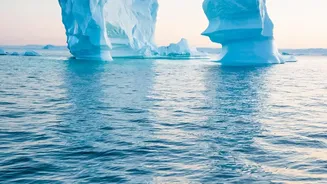
What happens at the poles doesn't stay at the poles. The accelerated melting of ice sheets in Greenland and Antarctica directly contributes to global sea-level rise, threatening coastal communities worldwide. Changes in polar weather patterns can influence everything from rainfall in the tropics to agricultural yields in temperate zones. The data from PREFIRE will help scientists refine their weather and climate models, leading to better predictions about sea-level rise, shipping routes, and the stability of ice sheets. This mission is providing a clearer picture of Earth's changing energy balance, offering vital information as we navigate the challenges of a warming world.