


India's Place on the Global Table
In the latest annual list from TasteAtlas, an influential global food encyclopedia, Indian cuisine was ranked 13th best in the world. Scoring a strong 4.43 out of a possible 5, India held its own in a competitive field, reaffirming its status as a global culinary
powerhouse. The top spots were claimed by Italy, Greece, Peru, Portugal, and Spain, highlighting a strong showing for Mediterranean and Latin American foods. While some might hope for a top 10 finish, securing the 13th position out of 100 ranked cuisines is a significant achievement, signaling that the world’s appetite for authentic Indian food is as strong as ever. This isn't just about a number; it's confirmation that our food is not seen as merely exotic or niche, but as a mainstream and celebrated part of the global diet.
The Stars of the Show: Our Unbeatable Breads
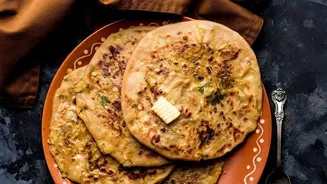
While the overall cuisine ranking is impressive, the real story lies in the individual dishes that global audiences can't get enough of. This year, Indian breads have emerged as true world-beaters. Butter Garlic Naan was celebrated as the best-ranked bread in the entire world, a testament to its irresistible combination of soft, chewy texture and rich, aromatic flavour. Not far behind was Amritsari Kulcha, which earned a spot as the 17th best dish globally. These aren't fancy, Michelin-starred creations; they are the humble, everyday staples that form the backbone of our meals. Their high ranking proves what every Indian knows: when it comes to comfort and flavour, nothing beats a perfectly cooked piece of Indian bread, fresh from the tandoor.
Comfort Food That Conquered the World
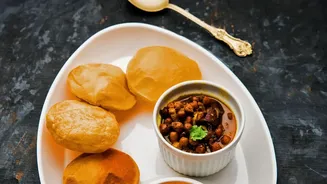
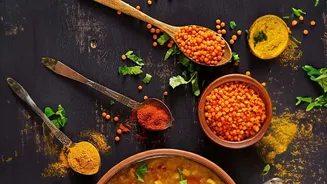
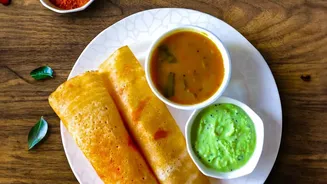
Beyond the breads, a host of other beloved dishes cemented India's strong performance. Murgh Makhani, or Butter Chicken, continued its reign as a global ambassador for Indian food. Its story, born from innovation in 1950s Delhi, is a perfect example of how a dish can escape borders and become a worldwide phenomenon. Other high-performers included Hyderabadi Biryani, Parotta, Masala Dosa, and Chole Bhature. The list also gave a special mention to Garam Masala, the quintessential Indian spice blend that gives so many dishes their characteristic warmth and complexity. What these top-rated items have in common is their status as quintessential comfort food—dishes that are reliable, deeply satisfying, and represent the heart of Indian home and street-style cooking.
What is TasteAtlas Anyway?
It’s easy to dismiss online rankings, but TasteAtlas has carved a unique niche. Founded by Croatian entrepreneur Matija Babić, it aims to be a “world atlas of traditional dishes,” focusing on the authentic food that real people eat rather than just fine dining. The rankings are generated from hundreds of thousands of user ratings from across the globe. The platform uses a sophisticated system to filter out bot activity and nationalistic bias, giving more weight to the ratings of users identified as knowledgeable food lovers. The final score for a cuisine is determined by the average rating of its most popular and highest-rated dishes and food products. So, this isn't the verdict of a small panel of critics, but a reflection of a global, democratic palate.
A World of Flavours in a Single Nation
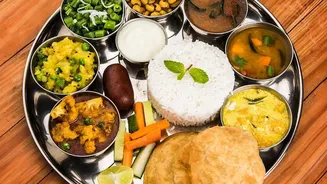
While 13th place is a strong showing, some might wonder why India isn't ranked even higher. One theory points to the very thing that makes our cuisine so special: its incredible diversity. A food lover who adores the coconut-based curries of Kerala might be unfamiliar with the robust flavours of a Rajasthani thali. Someone who grew up on the street chaat of Mumbai might find the subtleties of Northeast Indian cuisine entirely different. This sheer variety, while a massive strength, can create polarizing experiences for a global audience, potentially affecting an aggregated score. Unlike more homogenous cuisines, Indian food isn't one single thing; it's a continent of flavours, and the world is still joyfully working its way through all of them.