






An Alarming Warning Shot
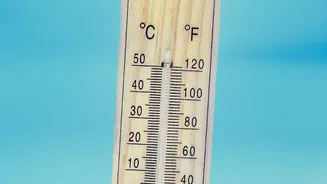
In recent years, scientists have confirmed that the world has briefly touched and even surpassed the 2°C warming mark for short periods, such as a single day or a week. These moments are indeed alarming. They serve as a jarring preview of a world we are trying
desperately to avoid. Each time one of these records falls, it’s a headline-grabbing event that underscores the relentless upward march of global temperatures. These short-lived spikes are driven by the combination of the long-term warming trend and natural climate variability, such as El Niño events, which temporarily push temperatures even higher. While a single day or month above 2°C is a sobering milestone, it's crucial to understand it as a warning shot, not the final destination.
Weather vs. Climate: A Tale of Time
The confusion stems from a common mix-up: the difference between weather and climate. Think of it this way: weather is what’s happening outside your window right now—it's your mood on a given day. It can be sunny, rainy, or stormy, and it changes from hour to hour. Climate, on the other hand, is the average of those weather conditions over a long period, typically 30 years or more. It's your personality, not your fleeting mood. A single hot month is a weather event, albeit a significant one on a global scale. Long-term climate change, however, is a shift in the entire system’s personality, making those hot months more common and more intense over decades.
What the Paris Agreement Really Means
This distinction is at the heart of interpreting global climate targets like the Paris Agreement. The goal to keep warming “well below 2°C” does not refer to a single month or even a single year. It refers to a sustained, long-term average temperature increase over many decades. Scientists use these long-term averages because they smooth out the short-term bumps of natural weather patterns and reveal the true trajectory of human-caused warming. Breaching the 2°C mark for 20 or 30 years would signify a permanent shift into a new, more dangerous climate state, with consequences far more severe and potentially irreversible than a temporary spike. A single hot month is a symptom; a multi-decade average is the diagnosis of a chronic condition.
Why This Distinction Matters for India
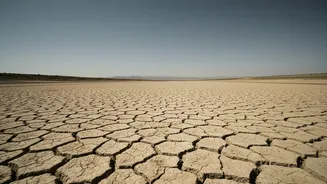
For India, understanding this difference is not just academic. The nation is considered a hotspot for climate change impacts. Even if global warming is stabilised at 2°C long-term, the consequences for India would be severe. Projections show that states like Uttar Pradesh and Rajasthan could face days with a heat index over 51°C every single year. The monsoon, the lifeblood of Indian agriculture, is projected to become highly unpredictable, bringing both more intense droughts and more extreme flooding. Urban areas are also at risk of becoming 'heat islands', warming much faster than surrounding rural regions, which could have devastating effects on public health and water availability in cities across the country. These impacts are tied to sustained, long-term warming, not just a few hot days.
A Glimpse into Our Potential Future
So, should we dismiss a record-hot month? Absolutely not. These temporary breaches are invaluable flashing red lights on our planet’s dashboard. They are a tangible taste of the 'new normal' that awaits if the long-term warming trend continues unabated. Each spike in temperature offers a glimpse into the future we are actively creating. It demonstrates that our climate system is sensitive and capable of reaching dangerous thresholds sooner than we might think. Rather than being a reason for panic or despair, these events should be seen as powerful motivators. They are the clearest possible signal that the window for meaningful action to alter our long-term climate trajectory is closing fast.