






The Reality of Rising Prices
The numbers confirm what many Indian households are already experiencing: the cost of food is climbing. Data for June 2026 showed that food inflation rose to 5.32%, a noticeable jump from the previous month. This increase was driven by higher prices for common
items like tomatoes and ginger, contributing to an overall retail inflation rate of 4.38%. While some items like potatoes have become cheaper, the general upward trend in the food and beverages category is putting significant pressure on monthly budgets, particularly for lower and middle-income families where groceries can account for a large portion of expenses. This financial pressure is pushing consumers to find smarter ways to manage their kitchens and shopping habits.
From Ingredient Lists to Functional Planning
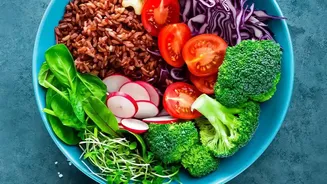
The traditional way of cooking often starts with a specific recipe: "I want to make palak paneer, so I need to buy paneer, spinach, and cream." But in the face of rising costs, a more resilient strategy is emerging: planning by function. This approach starts with a different question: "What do I need for a balanced meal?" The answer becomes a blueprint: a protein, a vegetable, a carbohydrate, and some flavour. Instead of being locked into one ingredient, you gain flexibility. If chicken is expensive, you look for eggs, lentils, or chickpeas on sale. If spinach is out of season, you grab whatever leafy green is fresh and affordable at the local market. This mindset shift is the key to navigating inflation without sacrificing nutrition or flavour.
Mastering the 'Shop by Function' Method
Adopting this new method starts before you even leave the house. First, take inventory of what you already have. That half-used bag of dal or the vegetables remaining from last week are your starting point. Next, create a shopping list based on functional categories rather than specific ingredients. Instead of 'chicken breast', write 'protein'. Instead of 'broccoli', write 'green vegetable'. This small change empowers you at the store. You can compare prices between different types of proteins or vegetables and choose the one that offers the best value. This strategy pairs perfectly with buying seasonal produce, which is almost always cheaper, fresher, and more readily available at local markets.
Building a Versatile, Budget-Friendly Pantry
A functional kitchen is built on a foundation of versatile staples. These are the low-cost, long-lasting ingredients that can be used in dozens of different meals. Think of items like various dals and legumes (chana, moong, rajma), rice, atta, and basic spices. Having these on hand means you always have the base for a hearty meal. When you shop, you are then only looking for the fresh, functional components to complete the dish—an affordable vegetable, a protein on sale, or a seasonal fruit. Buying staples like rice and lentils in bulk can often lead to significant savings, as long as you have the space to store them properly and will use them regularly.
Embracing a Flexible Cooking Mindset
Perhaps the biggest change is learning to see recipes as guidelines, not strict rules. If a recipe calls for an expensive vegetable, feel free to substitute it with a more affordable, seasonal alternative. Don't have a specific spice? It’s okay to experiment or leave it out. This approach reduces stress and food waste, as you're encouraged to use what you have on hand. Cooking in larger batches is another powerful functional strategy. Making a big pot of dal or a versatile curry base on the weekend can be repurposed for several meals during the week, saving both time and money. It allows you to transform one cooking session into multiple functional meal components.