





The Promise of a Perfect Pack
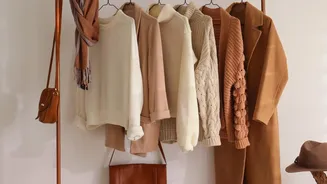
The internet is filled with clever packing systems, from capsule wardrobes built on a neutral colour palette to numerical guides like the '5, 4, 3, 2, 1' method. The core idea is brilliantly simple: pack a curated selection of versatile, mix-and-match
items to create multiple outfits from a minimal number of pieces. The benefits are undeniable. A lighter bag means less hassle, no checked baggage fees, and fewer decisions to make about what to wear each day. This approach champions quality over quantity, investing in well-made basics that can be dressed up or down. For a city break or a quiet beach holiday, this philosophy is often flawless. You arrive feeling light, organised, and in control, with more time and energy to enjoy your destination.
When the Formula Meets Reality
The minimalist formula starts to buckle under the weight of reality when your travel is purpose-driven. Consider a ski trip with its bulky jacket, insulated pants, and helmet. Or a photography expedition, where fragile lenses, a camera body, and a tripod are non-negotiable. Even a business conference can disrupt the system with its need for specific professional attire, or a family holiday that involves packing for multiple people with varied needs. In these scenarios, the trip-specific gear isn't optional; it's essential for the experience. Suddenly, the sleek, minimalist backpack seems comically insufficient. Trying to force these specialized items into a rigid formula can lead to frustration or, worse, leaving behind something crucial.
The Hybrid Method: Core and Module
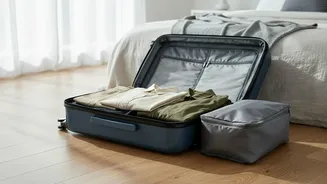
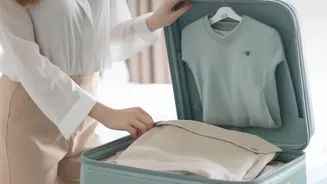
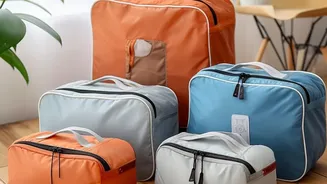
Rather than abandoning the formula entirely, the key is to adapt it. Think of your packing in two parts: a 'core' and a 'module'. The core consists of your minimalist capsule wardrobe—the versatile tops, bottoms, and layers that form the foundation of your packing. This is where the principles of a neutral palette and multi-purpose items still shine. The 'module' is a dedicated space for your trip-specific gear. This might be a separate, smaller bag, a specialized hard case for delicate equipment, or a set of packing cubes specifically for your adventure gear. This hybrid approach allows you to enjoy the clutter-reducing benefits of the formula for your everyday items while making deliberate, organized space for the essentials that your specific journey demands.
Smart Packing for Specialist Items
Packing specialist gear requires a different mindset. Organization is paramount. Use padded packing cubes for camera bodies and lenses to provide extra protection and keep small accessories contained. For adventure travel, stuff sacks can be invaluable for compressing items like base layers and separating them from other clothing. It’s also wise to research your destination thoroughly; knowing the terrain and climate will help you decide what gear is truly necessary and what can be left behind. Always break in new footwear well before your trip to avoid discomfort. And a timeless travel tip holds especially true for bulky items: if you can, wear your heaviest pieces, like hiking boots or a winter coat, on the plane to save precious luggage space.
Redefining 'Essential' on Your Own Terms
Ultimately, the goal of smart packing isn't to adhere to a rigid, one-size-fits-all rulebook. It's to make your journey smoother and more enjoyable. Trip-specific equipment isn't 'clutter'—it's the gear that enables your passion, whether that's capturing the perfect landscape shot, navigating a challenging trail, or simply being comfortable in extreme weather. The most effective packing 'formula' is one that serves your individual needs. Instead of viewing specialist items as a problem that breaks the system, view them as a planned component of your travels. A successful trip isn't measured by how little you packed, but by how well you prepared for the adventure you wanted to have.