




The Nearly Indestructible Snake Plant
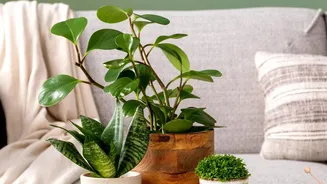
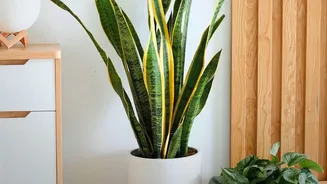
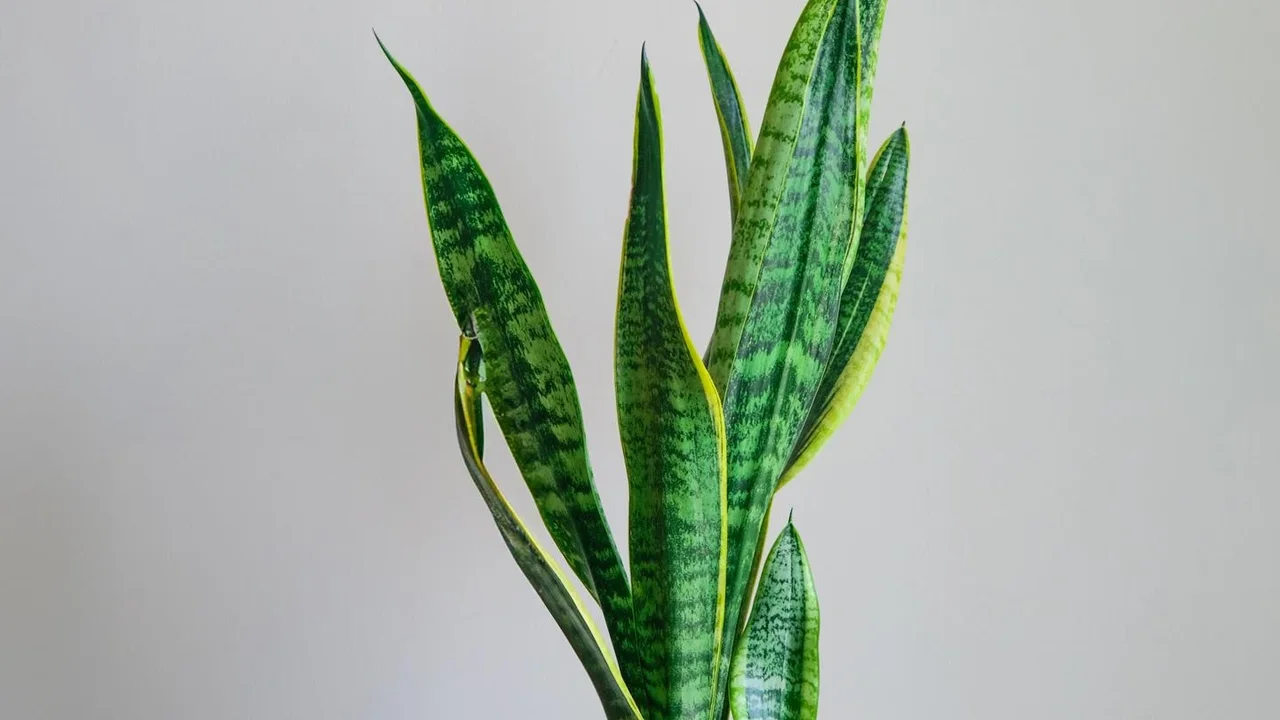
The Snake Plant, or Sansevieria, is the perfect starting point for any beginner. Known for its upright, sword-like leaves that often have striking yellow edges, it adds a modern, sculptural element to any space. It’s celebrated for being incredibly low-maintenance
and is a top choice for those forgettable corners because it tolerates low light extremely well. In fact, it can survive in a wide range of lighting conditions, though it prefers indirect light. Its biggest enemy is overwatering; you should allow the soil to dry out completely between waterings, making it an ideal plant for busy or forgetful owners. As a bonus, it’s an excellent air purifier, known to filter common household toxins.
The Resilient ZZ Plant
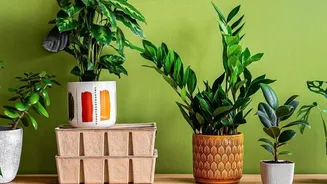
If you want a plant that thrives on neglect, look no further than the Zamioculcas zamiifolia, or ZZ Plant. With its wide, dark green, glossy leaves, it brings a touch of the tropics indoors. The ZZ Plant is famous for its ability to survive in very low light conditions, making it suitable even for hallways or offices with minimal natural sunlight. It stores water in its underground rhizomes, which means it is extremely drought-tolerant and requires infrequent watering—perhaps only once every few weeks. This resilience makes it another fantastic option for beginners or anyone who travels often. Like the Snake Plant, the ZZ Plant is also a powerful air purifier, tackling toxins like benzene and xylene.
The Forgiving Pothos
Often called Devil's Ivy, Pothos is a trailing vine that can add a lush, cascading effect from a shelf or a hanging basket in a corner. Its heart-shaped leaves come in various shades of green and variegation. Pothos is incredibly adaptable and is well-known for its ability to thrive in a range of conditions, including low light. While variegated types might lose some of their patterning in dimmer spots, the plant itself will continue to grow. It’s a forgiving plant that will often droop to let you know when it’s thirsty, but it’s best to let the top layer of soil dry out before watering. Its fast-growing nature provides a quick sense of accomplishment for new plant parents.
The Hardy Cast Iron Plant
As its name suggests, the Cast Iron Plant (Aspidistra elatior) is exceptionally tough. It earned the nickname 'barroom plant' for its ability to survive in dim, poorly-maintained environments. With large, deep green, lance-shaped leaves that grow directly from the soil, it offers a full, lush look. This plant is a champion of low-light spaces, thriving in shady corners where other plants might struggle. It's slow-growing but incredibly long-lived and requires minimal attention. It prefers its soil to be kept lightly moist, but it is quite forgiving if you forget to water it occasionally. Overwatering is a greater risk than underwatering, so let the top few inches of soil dry out first.
The Elegant Peace Lily
For those who want a bit of flowering beauty in their shaded corner, the Peace Lily (Spathiphyllum) is an excellent choice. It is one of the few plants that will reliably flower in low-light conditions. It produces beautiful, elegant white 'flowers'—which are technically modified leaves called spathes—that stand out against its glossy, dark green foliage. While it can tolerate low light, a spot with bright, indirect light will encourage more blooms. The Peace Lily is also great at communicating its needs; its leaves will dramatically droop when it needs water, taking the guesswork out of your watering schedule. It's also recognized for its air-purifying qualities.
The Adaptable Spider Plant
The Spider Plant (Chlorophytum comosum) is a classic houseplant for a reason. It's easy to grow and has a charming, fountain-like appearance with long, arching leaves. These plants are highly adaptable and can manage in low-light settings, although they truly flourish in bright, indirect light. One of their most delightful features is the production of 'spiderettes'—baby plants that dangle from the mother plant like spiders on a web. These can be easily propagated to create new plants. For care, water them when the top inch or two of soil is dry, and be mindful not to let them sit in water.