






Understanding Your F-1 Responsibilities
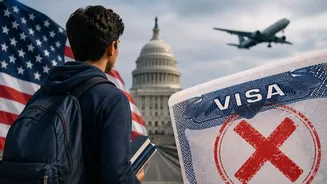
The F-1 visa is your ticket to studying in the U.S., but it comes with strict rules. Your primary responsibility is to be a student. This means you must maintain what immigration authorities call “good status.” Falling out of status means you have violated
the terms of your visa, which can lead to the termination of your SEVIS record—the government database that tracks you—and the loss of your legal right to stay in the country. It is crucial to understand that not knowing the rules is not considered a valid excuse for a violation.
The Academic Balancing Act
The phrase “skipping classes” goes beyond just missing a few lectures. To maintain your F-1 status, you must be enrolled in a “full course of study” each semester, as defined by your university. For most undergraduate students, this means a minimum of 12 credit hours. Dropping below this requirement without prior authorization from your school’s international student office is a serious violation. While being placed on academic probation for a low GPA may not automatically terminate your status, it is a major warning sign. If academic struggles lead to your dismissal from the university, you will fall out of status.
The Danger of Unauthorised Work
The temptation to earn extra money can be strong, but working without permission is one of the fastest ways to lose your F-1 status. Any form of employment—even a cash-in-hand gig at a local restaurant—is considered “unauthorized employment” if it’s not approved. F-1 students are generally limited to specific types of work: on-campus jobs (usually up to 20 hours per week during the semester), Curricular Practical Training (CPT) which is integral to your major, and Optional Practical Training (OPT) after graduation. Engaging in unauthorized work automatically makes you ineligible for certain immigration benefits like reinstatement of status and can lead to severe consequences, including being barred from re-entering the US for years.
Meet Your Most Important Ally: The DSO
Every international student has a crucial point of contact at their university: the Designated School Official (DSO). This person is a university employee authorized by the Department of Homeland Security to advise F-1 students and manage their records in the SEVIS system. Your DSO is your number one resource for any questions about your status. Before you drop a class, consider any type of work, or travel outside the U.S., you must consult your DSO. They are the only ones who can provide the necessary authorizations and update your records to ensure you remain in compliance.
The Consequences of Losing Status
Falling out of status is a serious problem. Your SEVIS record is terminated, and any work authorization you had becomes immediately void. You lose the legal right to be in the U.S. and begin accruing “unlawful presence.” Staying in the U.S. for more than 180 days after losing status can result in a three-year ban on returning. While there are limited and complex options to regain status, such as applying for reinstatement or re-entering the country with a new I-20 form, they are difficult, time-consuming, and not guaranteed. Prevention is always the best strategy.