




Two Years of Non-Stop Polar Watch
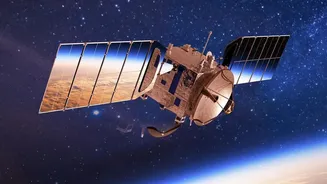
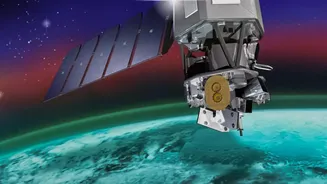
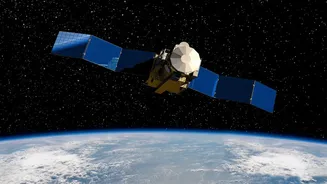
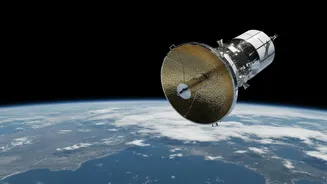
NASA's PREFIRE mission, which stands for Polar Radiant Energy in the Far-InfraRed Experiment, has successfully completed two full years of observations at both the Arctic and Antarctic. Using a pair of small satellites known as CubeSats that began their
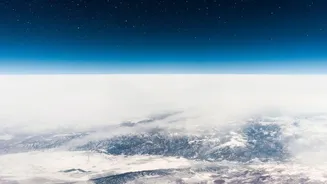
work in July 2024, the mission has captured two complete seasonal cycles at each pole. These satellites are measuring a type of energy that is invisible to the human eye—far-infrared radiation. This is significant because this radiation accounts for nearly 60 percent of the heat energy that Earth loses to space, a process that had not been systematically measured at the poles until now. The result is a continuous record of the dramatic temperature swings and the seasonal 'pulse' of heat being released from these critical regions.
Earth's Natural Air Conditioners
Think of the poles as Earth's giant air conditioning system. They receive less direct sunlight than the tropics, creating a temperature imbalance. Ocean and air currents transport excess heat from the equator toward the poles, which then radiate much of that heat back into space, regulating the planet's temperature. This process is what drives our global weather systems. The PREFIRE mission is focused on understanding exactly how and when this heat escapes. This is crucial because factors like clouds, humidity, and the state of ice versus water can trap heat, disrupting this natural balancing act. The new data helps fill a large observational gap, giving climate modelers a direct view of a vital piece of Earth's energy budget that was previously hidden.
A Dangerous Feedback Loop
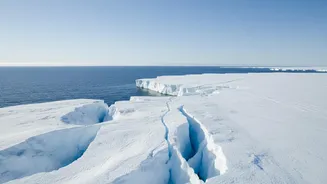
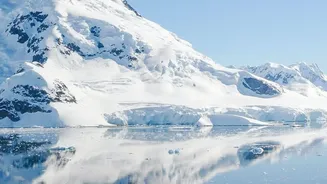
The Arctic is warming at a rate up to four times faster than the rest of the planet, a phenomenon known as Arctic Amplification. A primary driver of this is a powerful feedback loop. As temperatures rise, the bright, reflective sea ice melts, exposing the darker ocean water below. This dark surface absorbs more solar energy instead of reflecting it, which in turn warms the ocean and melts even more ice. This cycle not only accelerates local warming but also has profound effects on the seasonal release of heat. The loss of sea ice alters the region's energy balance and has been shown to intensify the release of heat from the ocean during the autumn and winter months, fundamentally changing the polar environment.
Why Polar Problems Go Global
What happens in the Arctic doesn't stay in the Arctic. The rapid warming of the northern pole can disrupt major atmospheric patterns, like the jet stream—a high-altitude river of air that influences weather in the Northern Hemisphere. A warmer, weaker temperature difference between the pole and the equator can cause the jet stream to become wavier and slower. This can lead to more extreme and persistent weather events in the mid-latitudes, including the kind of severe heatwaves, prolonged cold snaps, and intense rainfall that have become more common in recent years across North America, Europe, and Asia.
The Impact on India's Monsoon
For India, the connection is direct and vital. The summer monsoon, which delivers about 80% of the country's annual rainfall, is intimately linked to these global atmospheric dynamics. Recent studies have found a strong relationship between declining Arctic sea ice and changes in the Indian Summer Monsoon. Specifically, lower sea ice levels in the early summer months have been linked to stronger and more westward-expanding monsoon rainfall later in the season, during August and September. While this might suggest more rain, it also points to increased variability and a higher likelihood of extreme rainfall events, which can lead to devastating floods and landslides in some regions while leaving others dry. Scientists believe that as Arctic warming continues, its influence on the monsoon's year-to-year behaviour will become even more pronounced.