



More Than Just A Sticker Job?
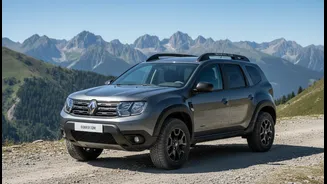
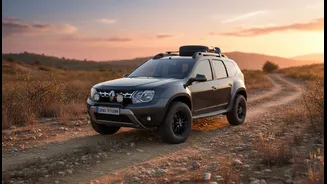
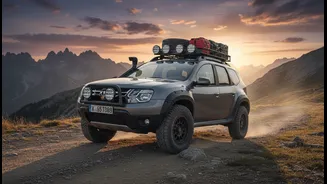
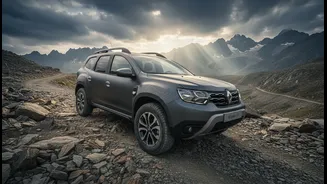
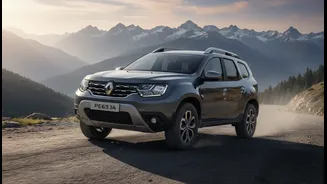
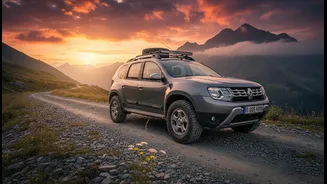
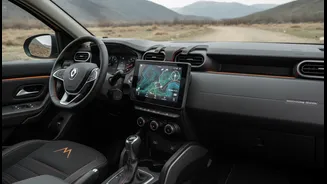
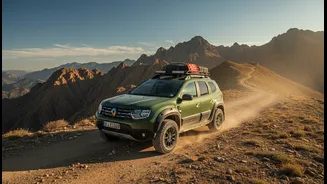
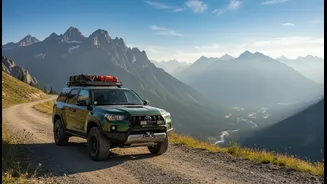
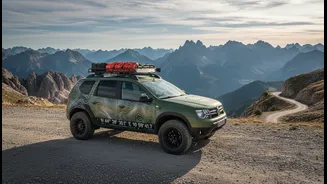
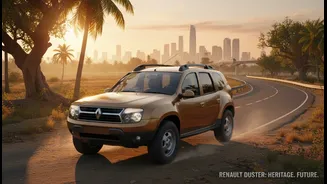
Renault recently rolled out the Duster Adventure Edition, and has a history of similar editions for its Kiger, Triber, and Kwid models. For the Duster, the updates are mostly cosmetic, designed to give the popular SUV a more rugged appeal. The package
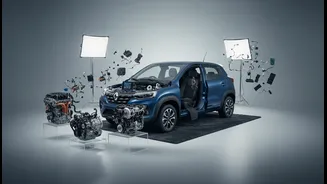
includes exclusive 'Adventure' decals that feature topographical contour lines and the coordinates for Leh, nodding to the car's off-road testing heritage. It also gets some unique embellishments and floor mats. Previous special editions for the Kiger, Triber, and Kwid have followed a similar formula, often introducing a dual-tone paint scheme, piano-black finishes on grilles and wheel covers, and minor feature upgrades like a larger touchscreen or a rearview camera on lower variants. Crucially, these editions rarely involve mechanical changes; the engine and performance remain identical to the standard models. The goal isn't to reinvent the car, but to refresh its appeal with minimal investment.
The Sub-Compact SUV War
To understand Renault's strategy, you have to look at the market. The compact and sub-four-metre SUV segments in India are brutally competitive. Models like the Tata Punch and Nexon, Maruti Suzuki Fronx and Brezza, and Hyundai Venue and Exter consistently top the sales charts. For a car like the Renault Kiger, which competes directly with the Tata Punch, standing out is a monumental task. In a space where buyers have dozens of choices, all offering similar core propositions of high ground clearance and a commanding road presence, differentiation becomes critical. When a model has been on the market for a few years, its buzz inevitably fades. Special editions are a cost-effective way for manufacturers to generate fresh interest and bring customers back into showrooms without undertaking a full, and expensive, model facelift.
The Lure of Limited Editions
The psychology behind special editions is simple but powerful. They tap into a buyer's desire for something unique. Owning a car that looks slightly different from the thousands of identical models on the road provides a sense of exclusivity and individuality. Carmakers have mastered this art. Tata Motors, for example, has found immense success with its 'Dark' editions, which offer an all-black aesthetic that appeals to customers looking for a powerful and sophisticated look. Hyundai has its 'Knight' editions for models like the Creta and Exter, adding blacked-out elements and sporty red accents. These variants often become popular choices, sometimes accounting for a significant chunk of a model's sales. They allow buyers to get a premium-feeling vehicle with unique styling touches, often for a modest price increase over the standard variant.
Moving the Sales Needle
So, does this strategy actually work? The evidence suggests it does, just not in the way you might think. A special edition is unlikely to turn a slow-selling car into a bestseller overnight. However, it serves several key business objectives. It helps clear out inventory, gives the marketing team a new story to tell, and attracts buyers during peak festive seasons. It's a way to fight product fatigue and keep a model in the public conversation. For some customers, the added features in a special edition—like a factory-fitted dashcam or a better infotainment system—can be a genuine value-add that sways their purchase decision. While some enthusiasts may dismiss these as mere cosmetic exercises, for the average buyer, they offer a chance to get a bit more for their money and a car that feels more personal. Sometimes, a special edition is even a sign that sales are slower than expected, pushing the manufacturer to create new buzz.