





The Journey Transformed
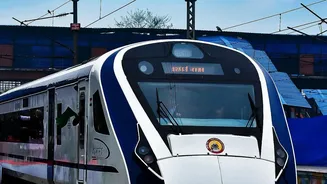
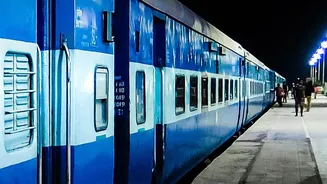
For decades, travelling from a major hub like Delhi to Varanasi meant committing to an overnight journey, with trains often taking anywhere from 11 to 17 hours. This lengthy travel time consumed a significant chunk of a precious weekend. The introduction
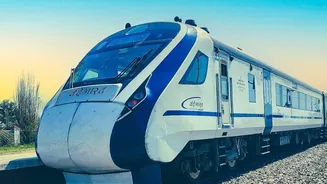
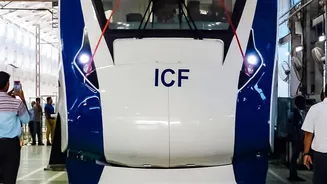
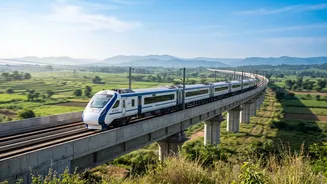
of the Vande Bharat Express has been a game-changer. The semi-high-speed train now connects New Delhi to Varanasi in approximately eight hours, effectively cutting the journey time for many travellers. This efficiency means a visitor can leave Delhi in the morning and be in Varanasi by early afternoon, ready to explore. This isn't just a marginal improvement; it fundamentally alters the feasibility of a two-day trip, turning what was once a logistical challenge into a comfortable and convenient option.
A Redefined Weekend Itinerary
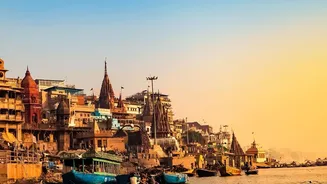
With hours reclaimed from travel, the weekend itinerary in Varanasi expands dramatically. Previously, a short trip might have only allowed for the essentials: a sunrise boat ride on the Ganga, a visit to the Kashi Vishwanath Temple, and witnessing the evening Aarti at Dashashwamedh Ghat. While these experiences remain central, visitors now have the luxury of time. An extra afternoon could be spent exploring Sarnath, the historic deer park where the Buddha first taught, located just 10 kilometres from the city. Travellers can now wander through the old city's winding lanes, sample street food like tamatar chaat without feeling rushed, or spend time at the Bharat Kala Bhavan museum at Banaras Hindu University. The faster connection allows for a more relaxed and immersive experience, replacing a frantic checklist with unhurried discovery.
Attracting a New Wave of Visitors
The improved connectivity is poised to change not just how people visit Varanasi, but who visits. The city has long been a primary destination for pilgrims. However, the ease of access provided by services like the Vande Bharat Express makes it an attractive proposition for a broader audience. This includes culture and history enthusiasts, foodies eager to explore its unique culinary scene, and even families looking for an educational and spiritual getaway. The launch of new Vande Bharat routes connecting Varanasi to other cultural sites like Khajuraho further solidifies its position as a hub for heritage tourism. This service makes it easier for both domestic and international tourists to create a comprehensive travel circuit, boosting the region's appeal.
Economic Opportunities and Growing Pains
The surge in tourism, catalysed by better infrastructure, brings significant economic benefits. Hotels, guesthouses, restaurants, tour guides, and artisans all stand to gain from the increased footfall. The Prime Minister's office has noted that such connectivity initiatives are designed to bolster local economies by promoting tourism and trade. However, this rapid growth also presents challenges. Varanasi is an ancient city, and its infrastructure is under increasing strain from rising tourist numbers. Issues like traffic congestion, pollution, and pressure on public amenities are growing concerns for residents. Local authorities are taking steps, such as declaring 'no vehicle' zones around the Kashi Vishwanath corridor, but balancing modernization with heritage preservation remains a delicate act.