






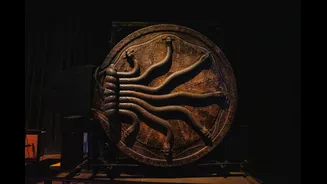


The Ultimate Cinematic Challenge
Christopher Nolan has long been a champion for the magic of the theatrical experience, pushing the boundaries of what film can achieve. With the release of his ambitious new film, 'The Odyssey,' the conversation around cinematic presentation has reached
a fever pitch. The film, an adaptation of Homer's epic poem starring Matt Damon, is the first feature to be shot entirely using IMAX 70mm film cameras. This achievement is the culmination of a career spent advocating for large-format filmmaking, from key sequences in 'The Dark Knight' to the immersive battles of 'Dunkirk'. Nolan believes this format offers unparalleled sharpness, clarity, and depth, creating a 3D-like experience without the glasses by filling the audience's entire peripheral vision. For 'The Odyssey,' his team worked with IMAX to develop new soundproof housing for the massive cameras, finally allowing dialogue-heavy scenes to be captured in the high-fidelity format.
Decoding the 'Nolan Standard'
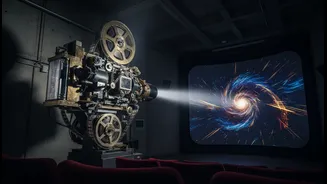
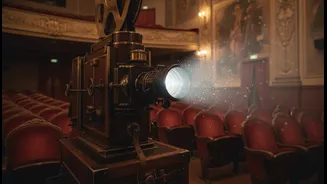
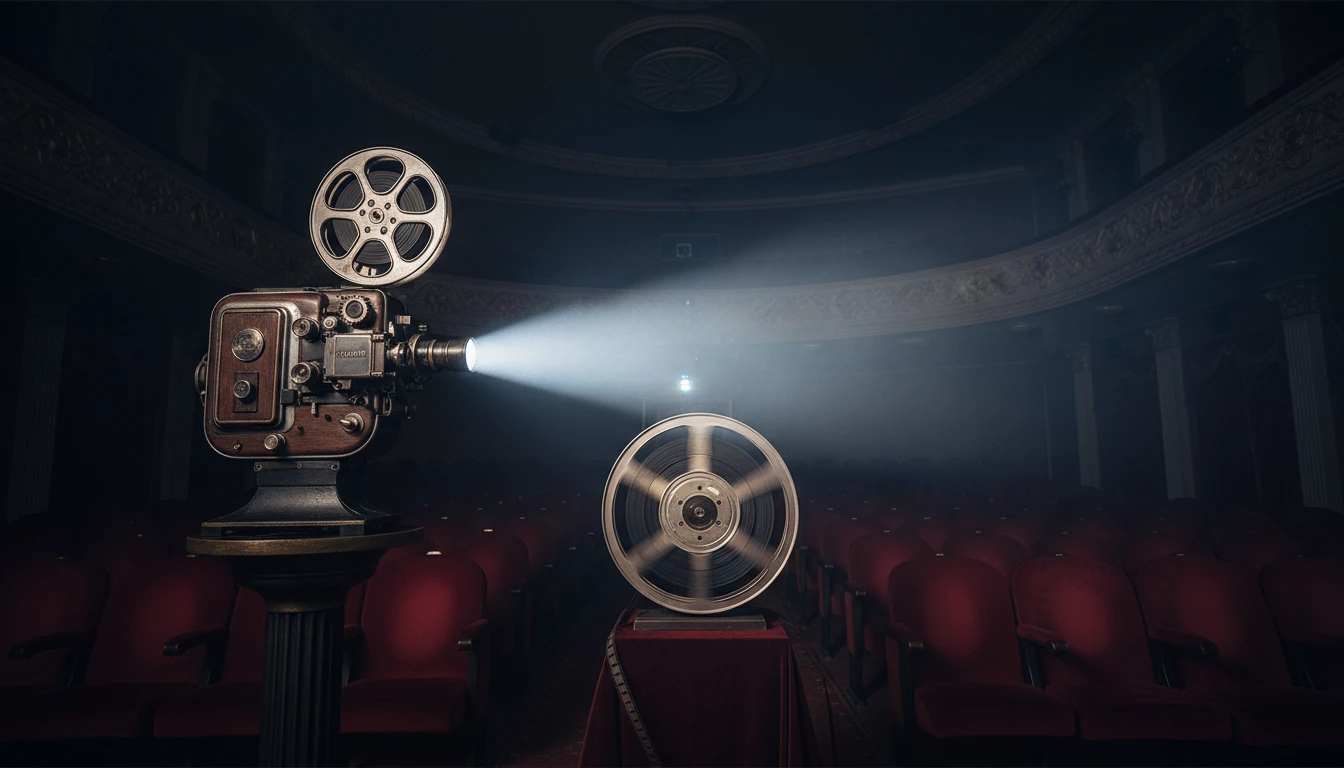
So what does it mean for a theatre to meet Nolan's standards for 'The Odyssey'? The gold standard is projection in IMAX 15/70mm film. Unlike standard 35mm film, which runs vertically through a projector, IMAX film runs horizontally. Each frame is 15 perforations wide, creating an image with roughly ten times the resolution of a standard film frame and an expansive 1.43:1 aspect ratio. This means that in a true IMAX venue, the image expands to fill the entire screen, from floor to ceiling, creating a uniquely immersive experience. The technical requirements to project film this large and heavy are immense, requiring specialized, expensive projectors and platters, as well as highly trained projectionists. It’s a far cry from simply hitting 'play' on a digital file, which is why so few cinemas have maintained the capability.
The '41 Club': Fact or Fiction?
The number floating around the internet is specific: 41 theatres. Recent reports confirm that for 'The Odyssey,' the number of venues worldwide equipped for an IMAX 70mm presentation is indeed around this figure, an increase from the 30 that could show his previous film, 'Oppenheimer,' in the format. This exclusive club includes roughly 25 locations in the United States, with others scattered across Canada, the United Kingdom, Australia, and parts of Europe. The extreme scarcity has led to intense demand, with tickets for venues like the AMC Lincoln Square in New York and the TCL Chinese Theatre in Hollywood selling out weeks in advance. While over 1,800 screens carry the IMAX brand globally, less than 3% can actually project Nolan's latest masterpiece in its native, intended film format.
What If You're Not Near One?
For the vast majority of moviegoers, seeing 'The Odyssey' in 15/70mm film simply isn't an option. But Nolan and his team spend months creating versions for other formats to ensure the best possible presentation. The next best thing is often considered to be IMAX with Laser, specifically a dual-laser system (known as GT Laser) that can project in the same 1.43:1 aspect ratio, offering brilliant contrast and brightness. After that comes standard 70mm film (a beautiful, high-resolution format in its own right) and other premium large formats like Dolby Cinema, which offers exceptional HDR visuals. Nolan himself praises modern laser projection systems, ensuring that even digital versions are derived from the highest quality source to maintain the film's integrity across platforms. The goal is always to make the screen disappear, no matter what size it is.