


The Postcard vs. The Reality
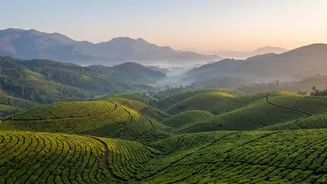
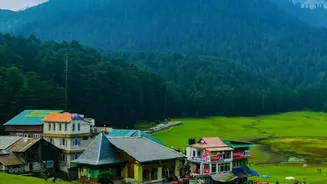
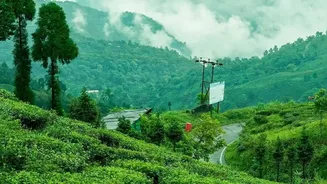
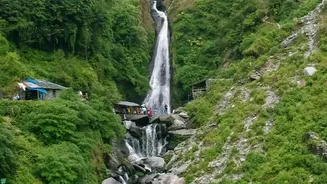
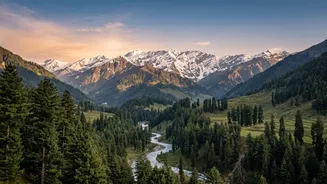
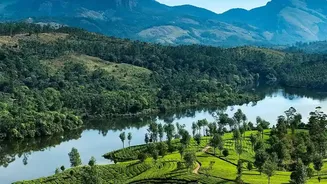
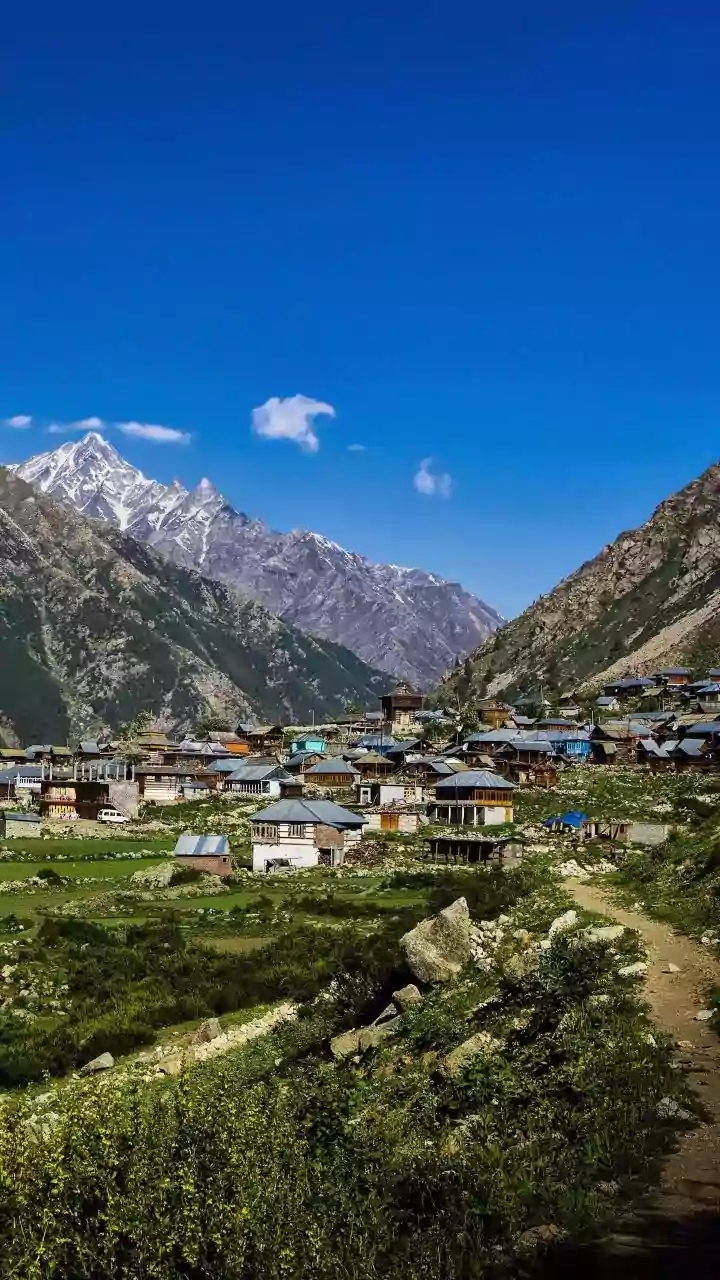
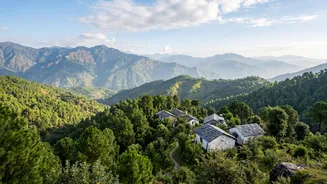
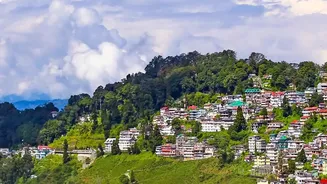
Think of a hill station, and a familiar image appears: misty mornings, winding roads, pine-scented air, and quiet colonial-era walks. For decades, places like Shimla, Mussoorie, Manali, and Nainital promised a tranquil retreat. Now, a different picture
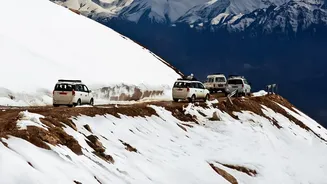
is emerging, one defined by gridlocked traffic stretching for kilometres, overflowing garbage bins, and a desperate scramble for basic resources like water. The famous Mall Roads, once meant for leisurely strolls, are often packed shoulder-to-shoulder, while the peaceful mountain views are obscured by a haze of dust and exhaust fumes. Viral videos no longer show serene landscapes, but rather endless lines of cars, leading many to ask if the vacation has become a punishment. The charm that drew millions is buckling under their collective weight.
The ‘New Context’: A Perfect Storm of Factors
While crowding during peak season isn't new, the current crisis is driven by a unique convergence of factors. The post-pandemic era unleashed a wave of “revenge travel,” with people eager to make up for lost time. This pent-up demand coincided with significantly improved infrastructure; new expressways and better roads have made weekend trips from cities like Delhi and Chandigarh easier than ever. Add to this the increasing frequency of intense heatwaves in the plains, which pushes a mass exodus towards the cooler hills for respite. Finally, the rise of social media has turned travel into a checklist of photogenic spots, concentrating tourists in the same few already-strained locations, creating bottlenecks and overwhelming local services.
The Cracks in the System: Water, Waste, and Roads
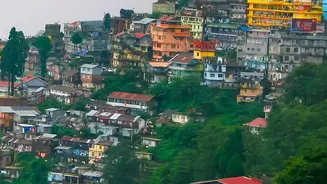
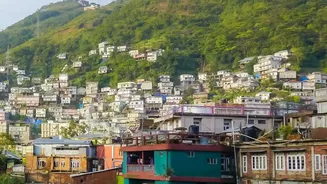
The infrastructure of these towns, much of it from a colonial era designed for a tiny fraction of the current population, is collapsing. Water is one of the most critical issues. In peak season, towns like Mussoorie and Shimla face severe drinking water shortages, with locals getting rationed supply while hotels are forced to buy water from private tankers, further congesting the narrow roads. Waste management is another visible failure. Manali, for instance, has been reported to generate tonnes of garbage daily during tourist season, far exceeding the capacity of its waste treatment plants. Trekking trails and scenic spots are often littered with plastic bottles and wrappers. The roads, never built for this volume of cars, turn into parking lots, with journeys of a few kilometres taking several hours.
The Environmental and Cultural Toll
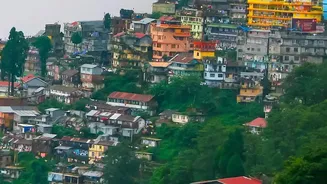
Beyond the civic nightmare, the ecological and cultural fabric of the Himalayas is fraying. The fragile mountain geology is being strained by unregulated construction of hotels and homestays, often at the cost of forests and agricultural land. This haphazard development not only scars the landscape but also increases the risk of soil erosion and landslides. The constant noise and pollution disrupt wildlife habitats. For the local communities, the economic benefits of tourism are increasingly overshadowed by the loss of their way of life, rising costs, and the degradation of the very environment their culture is built upon. The quiet, community-centric life that once defined these towns is being replaced by a transient, commercialised and stressful environment.
Is Sustainable Tourism Possible?
In response, state governments are beginning to act. Uttarakhand, for example, has introduced mandatory online registration for tourists visiting popular destinations like Mussoorie and Nainital to manage the flow. There are also new rules to verify and grade homestays and tour operators to ensure quality and accountability. Experts and policymakers are calling for a fundamental shift in strategy: from maximising footfall to promoting high-value, low-impact tourism. This includes developing and promoting lesser-known, offbeat destinations to distribute the tourist load, and encouraging community-based tourism where revenue directly benefits local families and conservation efforts. Initiatives in some areas, focusing on eco-tourism and homestays, show that a model that respects the local environment and culture is not just possible, but essential for survival.