




The Basics of Plant Propagation
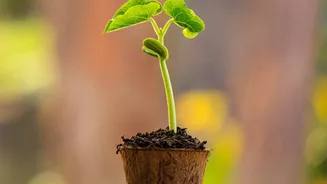
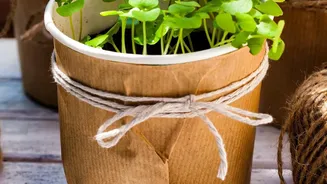
Propagating a plant from a cutting sounds technical, but it’s simply the process of snipping off a piece of a healthy 'parent' plant and encouraging it to grow its own roots. Once rooted, it becomes a brand-new, independent plant. All you really need
to start is a healthy mother plant, a clean, sharp pair of scissors or a knife, and either a jar of water or a small pot filled with soil. The key is to make a clean cut, as this helps prevent disease and encourages faster rooting. For most plants, you’ll want to cut a piece of stem that is a few inches long and has several leaves on it.
The Ever-Popular Money Plant (Pothos)
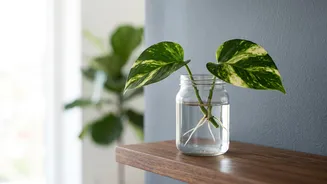
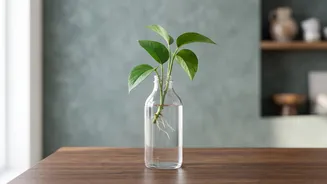
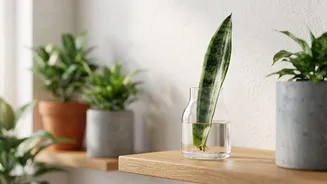
The Money Plant, or Pothos, is arguably the easiest and most forgiving plant for beginners to propagate. Its trailing vines are practically begging to be turned into new plants. To do this, select a healthy vine and cut a 4-6 inch section just below a node. A node is the small bump on the stem where a leaf grows out. Remove the leaf closest to the cut end. You can place this cutting in a simple jar of water, ensuring at least one node is submerged. Place it in a spot with bright, indirect sunlight and change the water every few days. In a couple of weeks, you'll see tiny white roots begin to emerge. Once the roots are about an inch long, you can transfer your new plant to a pot with soil.
Fresh Pudina (Mint) on Demand
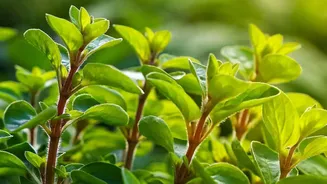
Having fresh mint for your tea or chutney is a kitchen luxury that’s easy to achieve. Mint is a vigorous grower and roots incredibly fast. Take a cutting of about 4 inches from a healthy, established mint plant, making your cut just below a leaf node. Strip off the lower leaves, leaving just a few at the top. Like the money plant, you can place these cuttings in a glass of water. Roots should appear in as little as a week. Once you have a small network of roots, plant it in a pot with well-draining soil. Be warned: mint spreads aggressively, so it’s best to keep it contained in a pot rather than planting it directly in a garden bed unless you want it to take over.
The Hardy Hibiscus
The vibrant hibiscus flowers seen across Indian gardens can also be grown from cuttings. The best time to take cuttings is when the plant is actively growing. Choose a semi-mature stem—one that is not brand new and green, nor old and woody. Cut a 6-inch piece and remove all but the top two or three leaves. To give it a better chance, you can dip the cut end in rooting hormone powder, though it's not always necessary. Plant the cutting directly into a pot with a mix of soil and sand. Water it well and cover the pot with a plastic bag to create a humid environment that encourages rooting. Keep it in a bright but shaded spot, and with patience, you’ll have a new hibiscus plant ready to bloom.
Classic Roses for Your Garden
Propagating roses from cuttings can feel like a professional gardener's secret, but it’s quite achievable. After a rose has flowered, take a cutting of about 6-8 inches from a healthy stem. The cut should be made at a 45-degree angle just below a leaf node. Remove all the lower leaves and any remaining flowers or buds. As with hibiscus, dipping the end in rooting hormone can significantly increase your success rate. Plant the cutting deep enough in a pot of sandy soil so that at least two nodes are buried. Keep the soil consistently moist and place the pot in a location that gets morning sun but is protected from the harsh afternoon heat. It can take a few months, but seeing new leaves sprout is a truly rewarding experience.
Colourful Coleus
Coleus plants are loved for their stunning, multi-coloured foliage, and they are exceptionally easy to grow from cuttings. In fact, they root so readily in water that you can watch the entire process unfold on your windowsill. Simply snip a 4-inch piece of stem from a healthy plant, again cutting just below a node. Remove the lowest set of leaves and place the stem in a glass of water. The leaves should remain above the water line. Within a week or two, you will likely see roots beginning to form. Once the root system is well-developed, you can move your new Coleus to a pot with standard potting soil to add a splash of colour to your home or balcony.