





Selling the Family Silver
The headline-making sale of a majority stake in its marine engine division, Everllence, for a reported $8.4 billion is a clear signal of Volkswagen's strategy. This isn't just a one-off deal; it's part of a broader, more aggressive push to streamline
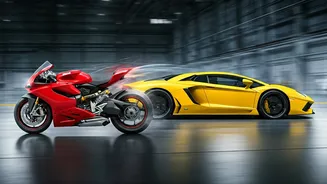
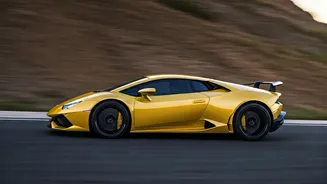
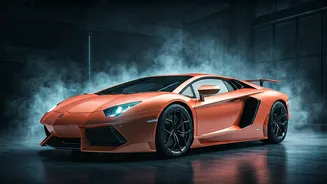
the sprawling corporate empire and unlock capital. The successful sale has reportedly encouraged advisors to suggest further divestments, with brands like the motorcycle maker Ducati and even a public listing for the supercar icon Lamborghini being considered. This follows the highly successful IPO of Porsche, which demonstrated how much value can be unlocked by separating VW's prized assets from the main group. The goal is simple: turn complex corporate structures into liquid cash needed for a massive overhaul.
The Multi-Billion-Euro Question: Why Now?
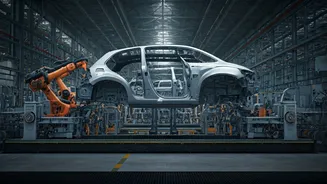
The need for cash is driven by a perfect storm of challenges. The transition from internal combustion engines (ICE) to electric vehicles (EVs) is astronomically expensive, requiring tens of billions in investment for new platforms, battery factories, and software development. At the same time, VW faces intense competition from agile EV natives like Tesla and a surge of Chinese automakers entering the European market. Adding to the pressure, demand for EVs has been slower than initially projected, while the company’s core business model of developing cars in Germany for global export is seen as no longer sustainable. This has forced a radical rethink, with the company reportedly planning massive job cuts and factory closures to reduce costs and improve efficiency.
A Two-Pronged Strategy: Cut Costs, Invest in the Future
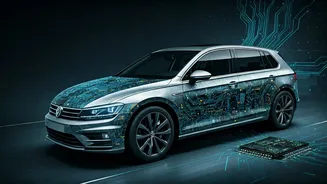
The money raised from asset sales like Everllence serves a dual purpose. Firstly, it provides a crucial financial bridge to absorb the immense upfront costs of restructuring, such as severance packages and facility decommissioning, without taking on more debt. Secondly, and more importantly, it fuels the future. A significant portion of this capital is earmarked for VW’s key strategic priorities. This includes massive investments in its battery unit, PowerCo, which is central to its goal of becoming a dominant force in EV production, though plans for a separate IPO for the unit have been pushed back. Another major cash outlay is the recent, nearly $6 billion partnership with American EV startup Rivian, a move designed to fast-track Volkswagen’s lagging in-car software development.
What This Means for the Road Ahead
For Volkswagen, this is an existential pivot. The company is betting that by becoming leaner and more focused, it can successfully navigate the most significant transformation in automotive history. For consumers, the results of this strategy will start appearing in showrooms over the next few years. The push is intended to result in a new generation of more advanced, software-defined electric vehicles. However, the company is also hedging its bets, acknowledging the slower-than-expected EV uptake by redirecting some funds back into keeping its combustion engine cars competitive, with a particular focus on hybrids. The cash-raising push, therefore, is not just about survival; it's about funding a two-track approach to secure its future in both the near and long term.