



The Great Indian Plate Imbalance
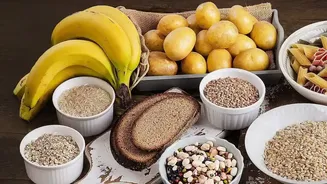
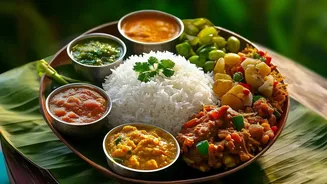
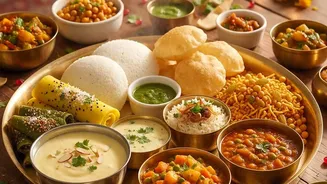
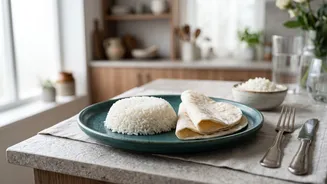
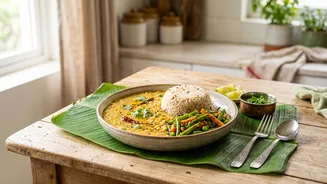
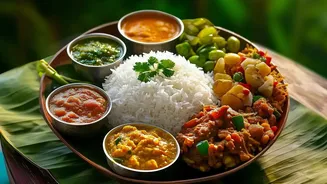
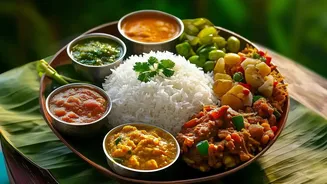
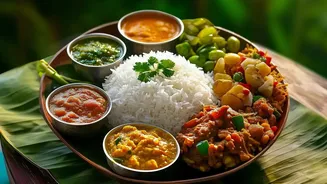
A typical vegetarian meal in India often features a large portion of rice or several rotis, a potato-based sabzi, and a small katori of dal. While it seems balanced, this combination is predominantly carbohydrate-heavy. Modern lifestyles, combined with
a shift towards refined grains like white rice and maida, mean that these carbs are digested quickly, leading to sharp spikes in blood sugar. Over time, this pattern can increase the risk of insulin resistance and type 2 diabetes. The issue isn't vegetarianism itself, but the composition of the plate.
Why Protein is Your Blood Sugar's Best Friend
Protein is a crucial nutrient for managing blood sugar. When eaten with carbohydrates, protein slows down digestion. This prevents the rapid absorption of sugars into the bloodstream, leading to a more gradual and gentler rise in glucose levels instead of a sharp spike. Furthermore, protein helps you feel full and satisfied for longer, reducing cravings for sugary snacks between meals. For individuals with diabetes, adequate protein intake is essential for preserving muscle mass, which is important for overall metabolic health.
The 'Dal' Dilemma: Is Your Katori Enough?
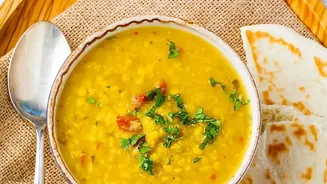
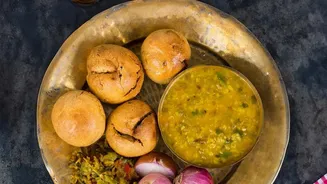
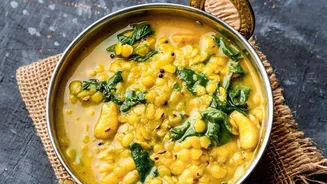
Dal is the cornerstone of vegetarian protein in India, but portion size is everything. A small, watery katori of dal might only provide 7 to 9 grams of protein, which is a helpful contribution but often insufficient to balance a large serving of rice or roti. To be effective in managing blood sugar, the protein portion needs to be substantial. Think of dal not as a side dish, but as a main event. Aim for a larger bowl of thick dal, which can provide a more significant 10 to 14 grams of protein. To put this in perspective, many adults require 55 to 70 grams of protein per day, so every meal needs to deliver a solid amount.
Boosting Protein Beyond the Usual Dal
While dal is essential, diversifying your protein sources is key to a robust and healthy diet. The Indian kitchen is full of excellent vegetarian protein options. Paneer is a fantastic choice, with a 100-gram serving offering around 18 grams of protein. Soya chunks are a powerhouse, providing a significant protein boost with minimal impact on blood sugar. Other great sources include tofu, Greek yogurt (hung curd), sprouts, chickpeas (chole), kidney beans (rajma), and seeds like chia and pumpkin. Including a variety of these foods ensures you get a complete range of amino acids and other vital nutrients.
How to Rebuild Your Plate for Better Health
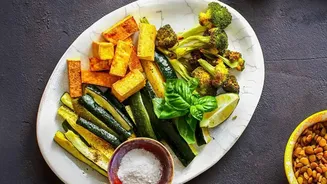
Transforming your meal doesn't require drastic changes, just a shift in proportions. A simple, effective strategy is the 'plate method'. Fill half of your plate with non-starchy vegetables like spinach, bhindi, cabbage, or cauliflower. These are high in fibre and low in carbs. Dedicate one-quarter of your plate to a substantial protein source—a large bowl of thick dal, paneer bhurji, or a chole curry. The final quarter is for your carbohydrates. This means a controlled portion of rice (preferably brown rice or millets) or one to two rotis made from whole grains. This simple visual guide ensures a healthier balance of nutrients at every meal.