






A Groundbreaking Polar Perspective
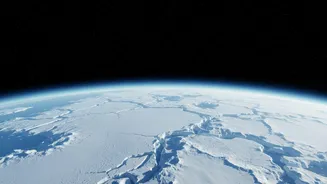
For the first time, scientists have a continuous, two-year moving picture of the heat escaping from the Arctic and Antarctic. NASA's Polar Radiant Energy in the Far-InfraRed Experiment (PREFIRE) mission, consisting of two small CubeSats, has been gathering
this crucial data since July 2024. The mission was designed to fill a significant blind spot in our understanding of Earth's energy budget. While we know the poles act as the planet's refrigerators, helping to balance temperatures by radiating heat absorbed in the tropics back into space, we've never been able to measure a key part of this process systematically. PREFIRE measures far-infrared radiation, an invisible wavelength of light that accounts for nearly 60% of the energy Earth loses to space but had not been comprehensively tracked before.
Why This Two-Year Record Matters
Previous observations of the poles were often sporadic or incomplete. Having two full years of continuous data, covering complete seasonal cycles in both hemispheres, is a game-changer. It allows scientists to move beyond snapshots and see the processes of heat exchange as they unfold through the deep cold of polar winter and the relative warmth of summer. This long-term, uninterrupted dataset is critical for distinguishing between normal seasonal variability and underlying climate trends. It provides the baseline needed to improve climate and weather models, making them more accurate. This isn't just an academic exercise; better models mean more reliable forecasts for everything from storm intensity to shipping route safety in newly opening Arctic passages.
The Ripple Effect on India
What happens in the Arctic doesn't stay in the Arctic. The stability of the polar regions has a direct impact on global weather systems, including the Indian monsoon. Scientific studies have increasingly found strong links between the rate of Arctic sea ice loss and the intensity and unpredictability of monsoon rainfall in India. As the Arctic warms faster than the rest of the planet—a phenomenon known as Arctic Amplification—it can disrupt large-scale atmospheric circulation. This can alter pressure systems and wind patterns that steer moisture-laden winds towards the subcontinent, potentially leading to more extreme rainfall events in some parts of India and reduced rainfall in others. The data from PREFIRE, by providing a clearer picture of the polar heat budget, will help scientists in India and abroad better understand and predict these teleconnections, which are vital for agriculture and managing water resources for millions of people.
A Sharper Focus on Our Climate Future
The PREFIRE data shows how different surfaces—like sea ice, open water, and snow—radiate heat differently. This level of detail helps scientists refine their understanding of critical feedback loops. For example, as reflective sea ice melts, it's replaced by darker ocean water that absorbs more heat, leading to further warming and more melting. PREFIRE’s precise measurements of outgoing radiation over these changing surfaces provide direct evidence of how this process affects the planet’s ability to cool itself. While the two-year dataset is just the beginning, it lays the foundation for more accurate projections of future sea-level rise, changes in global weather patterns, and the overall pace of climate change.