




A Diet for Mind and Body
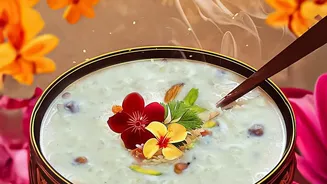
The dietary shifts during Sawan, or Shravan, are not merely about restriction but about purification. The core principle is to adopt a Sattvic diet—one that is pure, clean, and promotes calmness and mental clarity. According to Ayurveda, foods are classified
by their inherent qualities or 'gunas': Sattva (purity), Rajas (activity), and Tamas (inertia). During a month dedicated to spiritual focus, the goal is to consume Sattvic foods that nurture the body and calm the mind, while avoiding Rajasic and Tamasic foods that are believed to cause restlessness or lethargy.
The Logic of No Non-Vegetarian Food
Abstaining from meat, fish, and eggs is one of the most widely observed Sawan practices. Spiritually, this is an act of compassion and non-violence (ahimsa). Scientifically, this tradition aligns perfectly with the monsoon season. Ayurveda suggests that our digestive fire, or 'agni', is weaker during the damp, humid months, making heavy foods like meat difficult to process. Furthermore, the monsoon is the breeding season for many animals, including fish, and avoiding them is a way to respect the natural cycle of life. Historically, the high humidity also increased the risk of meat spoiling and spreading water-borne diseases before modern refrigeration existed.
Why Onion and Garlic Are Benched
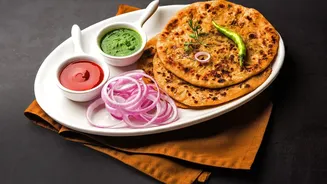
The exclusion of onion and garlic often surprises people, as they are staples in Indian cuisine. The reason is purely spiritual and rooted in Ayurveda. Both are classified as Rajasic and Tamasic foods. They are believed to stimulate passion, aggression, and physical energy, which can distract the mind during a period intended for spiritual introspection and calm. By leaving them out, the diet becomes more conducive to prayer and meditation.
The Surprising Case Against Leafy Greens
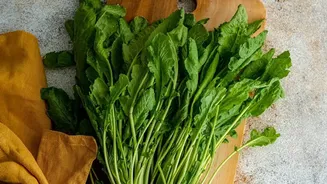
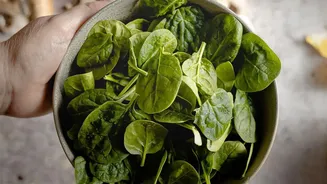
Avoiding nutritious leafy vegetables like spinach during Sawan seems counterintuitive, but the reasoning is practical. The monsoon creates ideal conditions for insects and bacteria to thrive. The damp leaves of spinach, fenugreek, and other greens can harbour more worms, larvae, and microbial contaminants, making them harder to clean and riskier to consume. This ancient wisdom prioritised food safety long before modern agricultural practices were available.
Other Common Exclusions
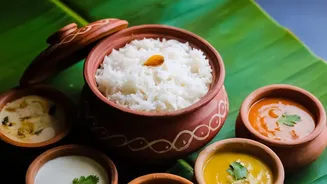
Several other food items are also commonly avoided to maintain a Sattvic state. Regular table salt is often replaced with Sendha Namak (rock salt), which is considered a purer, unprocessed alternative. Certain vegetables like brinjal (eggplant) are traditionally avoided, sometimes considered 'impure' or prone to insects during this season. Many also skip common grains like wheat and rice in favour of lighter, gluten-free 'vrat' alternatives such as buckwheat (kuttu), amaranth (rajgira), and barnyard millet (samak rice). Heavily spiced, oily, and fermented foods are also limited to keep the digestive system from being overloaded.