







The Problem with Crowded Shelves
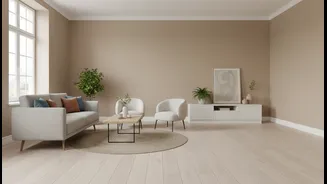
A room without a clear focal point can feel chaotic and incomplete. When shelves are packed from edge to edge, the eye doesn't know where to land, creating a sense of visual noise. This isn't just an aesthetic issue; studies have shown that clutter can reduce
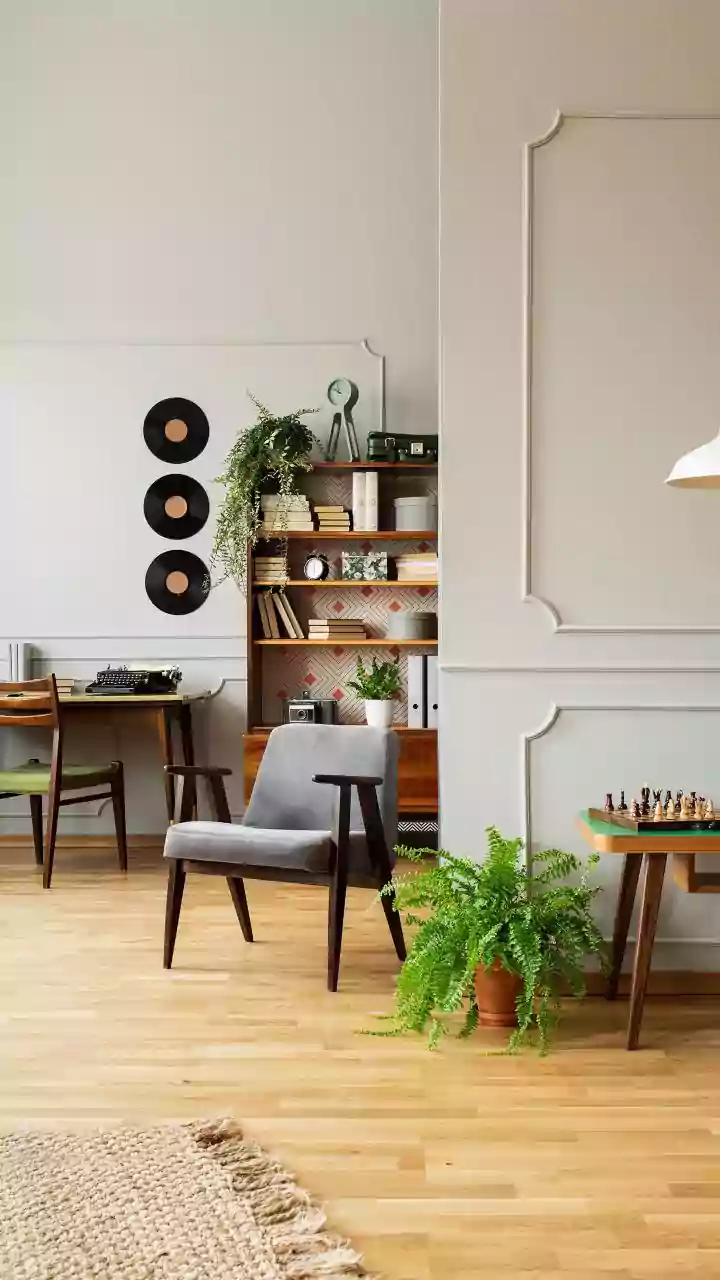
focus and contribute to a feeling of being overwhelmed in your own home. Instead of showcasing your personality, an overabundance of objects can have the opposite effect, burying your most treasured items in a sea of stuff. Nothing stands out, so nothing feels special. The story you want to tell—about your travels, your passions, your family—gets lost in the visual static.
Finding Your Focal Point
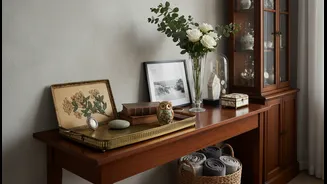
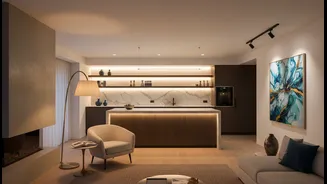
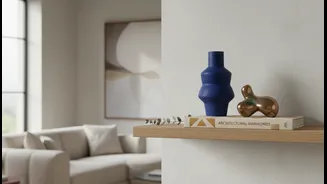
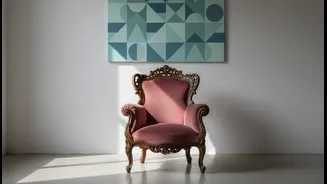
The solution is to create a single, powerful focal point—a visual anchor that draws the eye and sets the tone for the room. This doesn't necessarily mean one single object. It could be a small group of items on a console table, a large piece of art, or a single, beautifully styled floating shelf. The first step is to identify where the eye naturally goes when you enter a room; this is often the best place to create your display. Think about what you want to highlight. Is it a stunning vase you bought on holiday? A piece of art your child made? A collection of vintage cameras? The goal is to choose items that have personal meaning and can tell a cohesive story.
The Art of Intentional Curation
Curation is about choosing quality over quantity. It’s an act of editing your collection down to the essentials. This doesn't mean you have to become a minimalist and discard all your belongings. Instead, it’s about being intentional. Start with one shelf or surface. Empty it completely. Then, begin to place items back with purpose. Select pieces that resonate with you and contribute to a central theme, whether it's a colour palette, a material, or a memory. If you have a collection of sentimental items, consider creating a rotating display to keep the arrangement fresh and prevent it from becoming overwhelming. You can also use shadow boxes to group smaller, meaningful mementos into a single, compelling 3D art piece.
Principles of a Powerful Display
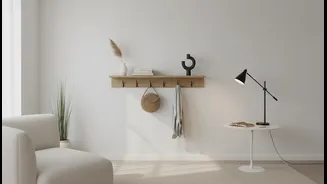
Once you’ve chosen your items, arranging them is key. Designers often use the 'rule of three,' grouping objects in odd numbers to create a display that feels balanced yet dynamic. Varying the height and scale of your objects is also crucial; this prevents monotony and guides the eye through the arrangement. You might place a tall vase behind a low stack of books, for example. Most importantly, embrace negative space. This is the 'breathing room' around your objects. Leaving some areas of the shelf empty allows each piece to stand out and feel more valuable, similar to how an art gallery uses blank walls to highlight a painting. Finally, consider using lighting, such as a small lamp or spotlight, to draw attention to your curated display and enhance its impact.