






Pack Smart: The Best Foods from Home
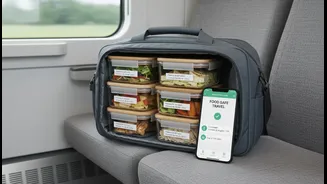
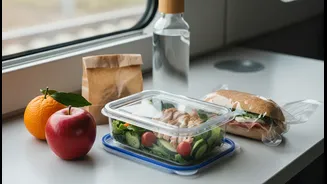
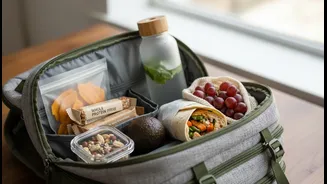
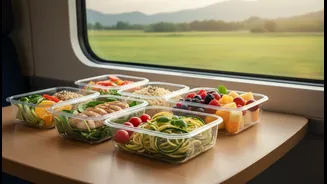
The safest meal on a train is often the one you bring yourself. For journeys lasting a day or two, home-cooked food is an excellent option. Focus on dry, non-perishable items that don’t spoil easily without refrigeration. Classics like theplas, pooris
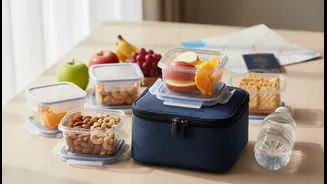
with a dry aloo sabzi, idlis, and stuffed parathas are popular for a reason—they travel well. You can also pack items like poha, upma, or sandwiches. For snacks, roasted chana, nuts, dry fruits, and biscuits are great for keeping hunger at bay between meals. The key is to avoid messy gravies, creamy dishes, or anything that can become soggy or spoil quickly in the Indian climate.
Buying Wisely: Navigating Pantry Cars and Platforms
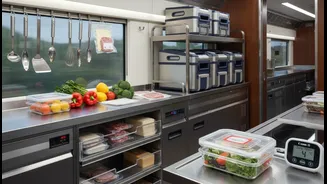
While home-packed food is great, it’s not always practical for very long trips. When buying food on the train or at stations, a few rules can save you a lot of trouble. Always opt for food that is freshly prepared and served hot. High heat kills most harmful bacteria, making items like hot samosas, veg cutlets, or a freshly made bread omelette a safer bet than pre-cooked meals left at room temperature. Avoid pre-cut fruits, salads, and anything that looks like it has been sitting out uncovered. When buying from platform vendors, choose stalls that are busy and appear clean. Some stations are now FSSAI-certified as 'Eat Right Stations', indicating higher hygiene standards.
E-Catering: A Modern Solution for Safer Meals
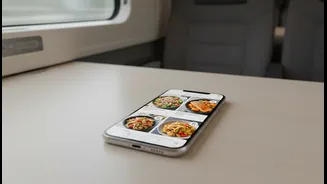
Indian Railways' e-catering service has become a game-changer for train food. Using the official IRCTC 'Food on Track' app or website, you can order meals from FSSAI-approved restaurants to be delivered to your seat at major stations. This gives you a wider variety of choices, including thalis, biryanis, and even healthier options, often prepared in more regulated kitchens than a standard pantry car. However, be vigilant. In early 2026, IRCTC launched a crackdown on numerous unauthorized e-catering websites and apps that were operating without approval, posing risks from unhygienic food and potential data fraud. To be safe, always book directly through the official IRCTC channels.
Hydration and Hygiene: The Non-Negotiables
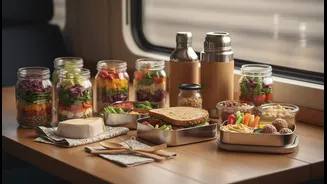
Food poisoning isn't just about food; it's also about what you drink and your general hygiene. Dehydration can worsen travel fatigue, so drinking water is crucial, but it must be safe. Always purchase sealed water bottles from reliable brands like Rail Neer or other known names. Check that the seal is intact before buying. Never drink tap water from the train's washrooms or accept water from unverified sources. It's also wise to use bottled water for brushing your teeth. Carry an alcohol-based hand sanitiser and use it frequently, especially before eating. Bringing your own spoon, fork, and a small napkin can also help reduce contact with unclean surfaces.
Foods to Avoid for a Trouble-Free Trip
Knowing what not to eat is just as important as knowing what to eat. Steer clear of oily, spicy, and heavy foods that can be hard to digest, especially when you’re sitting for long hours. This includes rich curries and deep-fried items that have been sitting in a vendor's tray for an unknown amount of time. Be wary of dairy-based sweets or items that require constant refrigeration. Raw or undercooked meat should be completely avoided. When in doubt, it’s better to stick to simple, vegetarian meals like dal and rice, khichdi, or curd rice, which are generally lighter on the stomach.