




The Viral Claim That Sparked a Debate
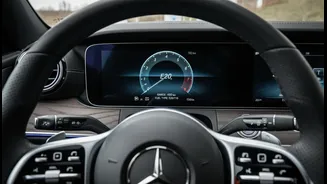
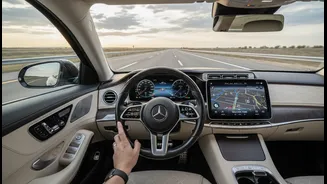
The controversy ignited when popular YouTuber Sourav Joshi claimed the mileage of his Mercedes-Benz SUV dramatically dropped from 17 kmpl to just 5 kmpl after using E20 petrol. The claim, shared with millions of followers, quickly became a focal point
for a growing number of Indian consumers worried about their own vehicles. While experts suggest such a drastic drop is likely due to other factors beyond just the fuel type, the incident tapped into a widespread anxiety. In response, Mercedes-Benz India issued a statement clarifying that all its recent petrol vehicles are fully E20 compatible and certified by authorities, attempting to reassure customers.
What is E20 and Why is India Using It?
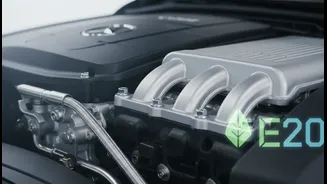
At its core, E20 is simply petrol blended with 20% ethanol, an alcohol-based fuel typically derived from agricultural sources like sugarcane and maize. The Government of India has aggressively promoted its adoption for several key reasons. Firstly, it aims to reduce the country's heavy reliance on imported crude oil, which can save thousands of crores in foreign exchange annually. Secondly, it's presented as a greener alternative, as ethanol helps fuel burn more completely, reducing harmful emissions like carbon monoxide. Finally, the policy provides a significant boost to the agricultural sector and farmers' incomes.
The Crucial Question: Does E20 Reduce Mileage?
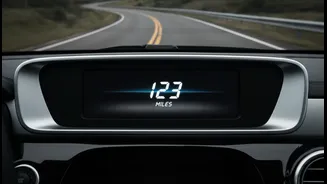
This is the central issue for most consumers. The short answer is yes, a reduction in mileage is expected. Ethanol has a lower energy density than petrol, meaning it produces less power per litre. Official government and industry studies estimate a mileage drop of around 3-6% for compliant vehicles. However, many drivers, particularly those with older cars not originally designed for E20, report a much more significant decrease, with some surveys showing a drop of over 10% for a majority of users. Road Transport Minister Nitin Gadkari has acknowledged that mileage can be 'marginally' impacted due to the lower calorific value of ethanol. This gap between official estimates and real-world experience is fuelling consumer frustration.
Automakers Caught in the Middle
Since April 2023, all new cars sold in India must be E20 compliant. Automakers have re-engineered fuel systems and engines to handle the higher ethanol blend. They maintain that these new vehicles run perfectly fine on E20. The bigger concern lies with vehicles sold before this mandate. While manufacturers like Maruti Suzuki have stated that their internal testing on older E10 cars showed no significant issues with E20 fuel, questions about long-term durability persist. Ethanol can be corrosive and absorb water, potentially affecting rubber and plastic parts in the fuel systems of older, non-compliant cars over time.
The Driver's Dilemma
For the average Indian driver, the situation presents a complicated trade-off. On one hand, E20 is part of a national strategy for energy security and a cleaner environment. On the other, it could mean paying more for fuel in the long run due to reduced efficiency and facing potential maintenance issues, especially for owners of older vehicles. The debate has also raised questions about consumer choice, with experts arguing that motorists should have the option to buy the older E10 blend if their vehicles are not optimised for E20. As it stands, car owners are advised to check their vehicle's manual for E20 compatibility and practice fuel-efficient driving habits to offset the mileage drop.