




The Core Difference: Time and Microbes
The fundamental distinction between these two types of batters lies in the preparation process. An unfermented batter is a simple, instant mixture of flour, liquid, and seasonings. Think of a quick besan or oats cheela; you mix the ingredients and cook
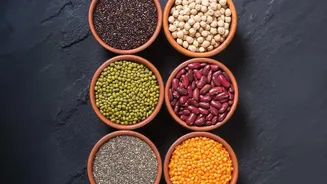
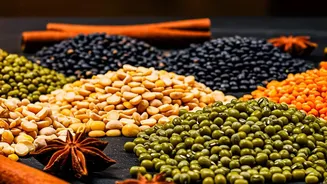
it within minutes. It's straightforward, fast, and the flavour is a direct reflection of its components. A fermented batter, on the other hand, is a living concoction. Made from ingredients like ground rice and lentils, the batter is left to rest for several hours, often overnight. During this time, naturally present yeasts and bacteria get to work, feeding on the carbohydrates and triggering a transformation that changes everything.
A World of Flavour and Aroma
This resting period is where the magic happens for fermented batters. The microbes produce lactic acid, which imparts a characteristic tangy, slightly sour flavour that is complex and deeply savoury. This is the signature taste you recognise in a classic South Indian dosa or a fluffy appam. The fermentation process creates dozens of new aroma molecules, resulting in a much more layered and interesting flavour profile than what the raw ingredients started with. Unfermented batters offer a different kind of pleasure. Their taste is simpler and more direct, showcasing the natural flavour of the main ingredient, whether it's the earthiness of moong dal or the subtle sweetness of wheat flour.
The Science of a Perfect Texture
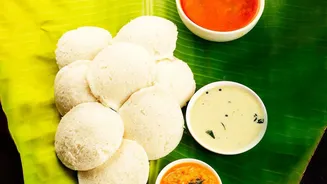
Fermentation has a dramatic effect on texture. As the yeast consumes sugars in the batter, it releases carbon dioxide gas. These gas bubbles get trapped in the mixture, leavening it naturally and creating a light, airy, and often spongy structure. This is why idlis are so soft and pillowy and why a good dosa has that perfect balance of a crisp exterior and a soft, porous interior. In contrast, unfermented batters typically result in a denser, softer, or sometimes chewier final product. Without the benefit of natural leavening from fermentation, their texture is determined solely by the ingredients and the cooking method, which can be delicious in its own right but lacks that unique, airy quality.
A Boost for Your Digestion
Beyond taste and texture, fermentation also offers nutritional advantages. The process breaks down complex carbohydrates and proteins, making the food easier to digest. It can also increase the bioavailability of certain nutrients, like B vitamins. Many fermented foods contain probiotics, the beneficial bacteria that support a healthy gut microbiome, which is linked to better immunity and reduced inflammation. While unfermented batters don't offer these specific probiotic benefits, they are by no means unhealthy. A moong dal cheela, for example, is packed with protein, and an oats-based batter is rich in fibre. The choice often comes down to what your body needs on a given day.
On the Plate: Familiar Favourites
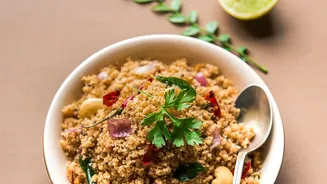
In the landscape of Indian breakfasts, both types of batters are celebrated. The fermented category is famously represented by South Indian staples like dosa, idli, uttapam, and appam, all derived from a base of fermented rice and lentils. The unfermented camp is just as diverse and delicious. It includes the ever-popular besan (gram flour) cheela, moong dal cheela, quick rava (semolina) dosa, wheat flour dosa, and various instant dosas and idlis made with oats or other grains that don't require any soaking or fermentation time.