

The Forgotten Nutritional Powerhouse
We've been taught to prize the earthy, jewel-toned beetroot, but nutritionally speaking, we may be focusing on the wrong end of the vegetable. Beet greens are not just edible; they are a nutritional heavyweight, often outperforming the root itself. The
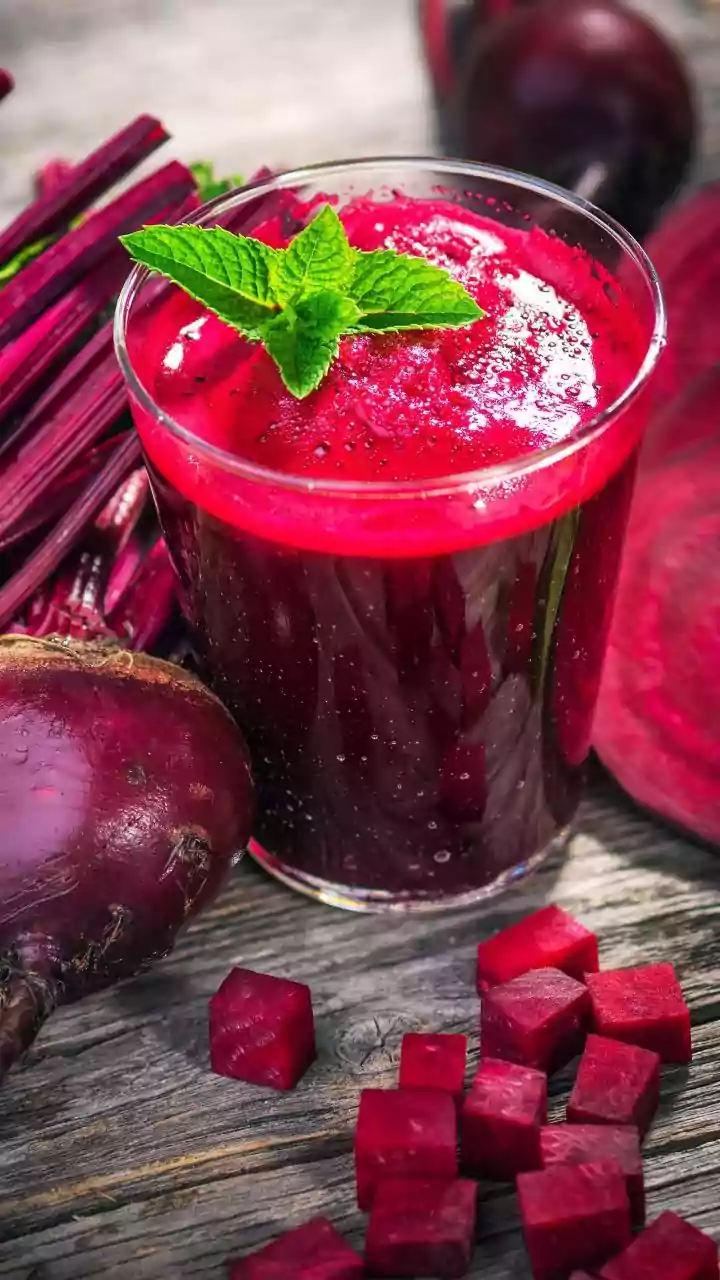
leaves are packed with an incredible amount of Vitamin K, essential for bone health and blood clotting, and are also a formidable source of Vitamin A, Vitamin C, iron, and calcium. In fact, beet greens contain more iron than spinach, a fellow member of the same botanical family. While the root is celebrated for its nitrates that support heart health, the greens offer a broader spectrum of vitamins and minerals for very few calories, making them one of the most nutrient-dense parts of the plant.
A Brief History of Eating Leaves First
Our modern habit of prioritising the root is a relatively recent development in the beet's long history. For much of their existence, beets were cultivated specifically for their leaves. Ancient Greeks and Romans consumed the leafy tops and stalks, treating them much like a close relative, chard. The root, back then often a thin, fibrous thing, was primarily used for medicinal purposes. It wasn't until the 16th century in Germany or Italy that the bulbous, fleshy root we know today was cultivated for consumption. The subsequent discovery in the 18th century that sucrose could be extracted from beets further cemented the root's culinary dominance, slowly pushing its nutritious green tops from the main course to an afterthought.
More Than Scraps: A Lesson in Food Waste
Tossing out beet greens is a perfect example of a broader issue: food waste. Every time we discard edible parts of vegetables, we are throwing away nutrients, money, and the resources that went into growing them. This is where the root-to-leaf (or root-to-stem) cooking philosophy comes in. This movement, which has deep roots in traditional Indian food philosophies, encourages using the entire vegetable to minimise waste and maximise nutrition. Seeing beet greens not as scraps but as a co-ingredient is a simple but powerful shift. It aligns with a more sustainable and mindful way of cooking that values the entire plant.
Thinking Beyond the Sauté Pan
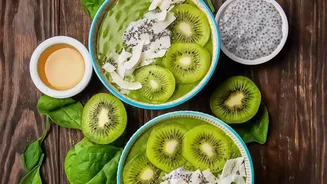
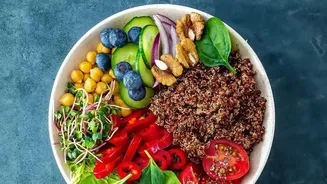
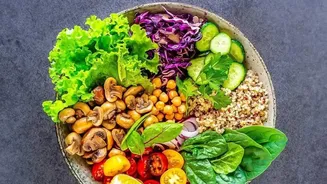
So, how do you use them? While a simple sauté with garlic and olive oil is a classic and delicious starting point, the versatility of beet greens extends far further. Their mild, earthy flavour allows them to be incorporated into countless dishes. Young, tender leaves can be used raw in salads, adding a vibrant colour and nutrient boost. You can blend them into smoothies, where their flavour easily disappears behind fruit, or transform them into a vibrant pesto or chimichurri sauce. They can be folded into frittatas, added to soups and dals in the final minutes of cooking, or used as a nutrient-rich layer in a grain bowl. The key is to see them as you would any other leafy green, like spinach or kale, and let your creativity flow.