



Why Sitting Is a Problem for Your Core
The human body is designed for movement. When you sit for prolonged periods, several things happen that contribute to back pain. The muscles in the front of your hips, known as the hip flexors, become tight, while your glute muscles weaken. This combination
can tilt your pelvis, placing strain on your lower back. Furthermore, a sedentary posture often leads to a disengaged core. Your core is more than just the six-pack muscles; it's a 360-degree band of muscles—including your abs, obliques, and lower back—that acts as a natural corset for your spine. A weak core means your spine lacks crucial support, making it vulnerable to pain and injury from everyday movements.
Static vs. Dynamic: Why Movement Matters
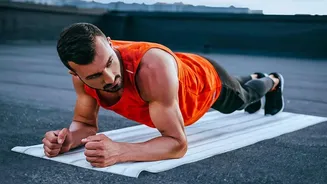
A standard plank, where you hold a static position, is excellent for building baseline muscular endurance. However, your daily life isn't static. You bend, twist, and lift. Dynamic planks, which involve moving your limbs while holding the core position, better prepare your body for these real-world activities. By challenging your stability, these variations force the deep stabilizing muscles of your core to fire more intensely to prevent your hips and spine from rotating or sagging. This builds functional strength, improves the connection between your brain and muscles, and enhances balance—all of which are vital for a healthy, resilient back.
Plank with Leg Lifts
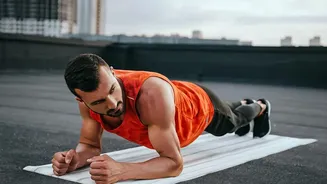
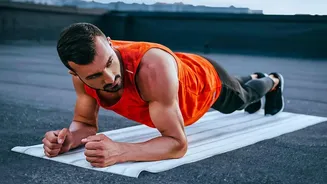
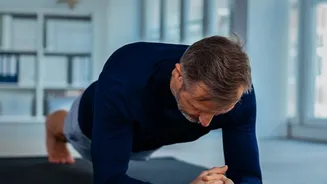
This variation targets the lower abs and glutes, two key areas for pelvic stability. By lifting a leg, you create an unstable environment, forcing your core to work harder to keep your torso straight and your hips level. How to do it: Start in a forearm plank position with your elbows directly under your shoulders and your body forming a straight line from head to heels. Engage your abs and glutes. Without letting your hips drop or twist, slowly lift one leg straight up until it’s about hip height. Hold for a moment, then lower it back down with control. Alternate legs, aiming for 10-12 repetitions per side.
Side Plank with Rotation
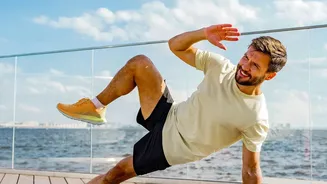
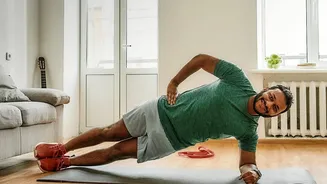
The side plank is a champion for strengthening the obliques—the muscles along the sides of your core that protect your spine from twisting forces. Adding a rotation (or 'thread the needle') improves thoracic (upper back) mobility, which can become stiff from sitting. How to do it: Lie on your right side and prop yourself up on your right forearm, with your elbow directly under your shoulder. Lift your hips so your body forms a straight line. Extend your left arm toward the ceiling. From here, slowly rotate your torso and reach your left arm under your body. Reverse the movement to return to the start. Perform 8-10 reps, then switch sides.
Plank with Knee-to-Elbow
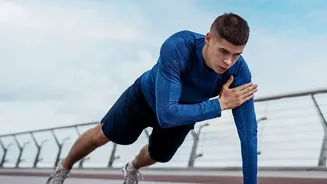
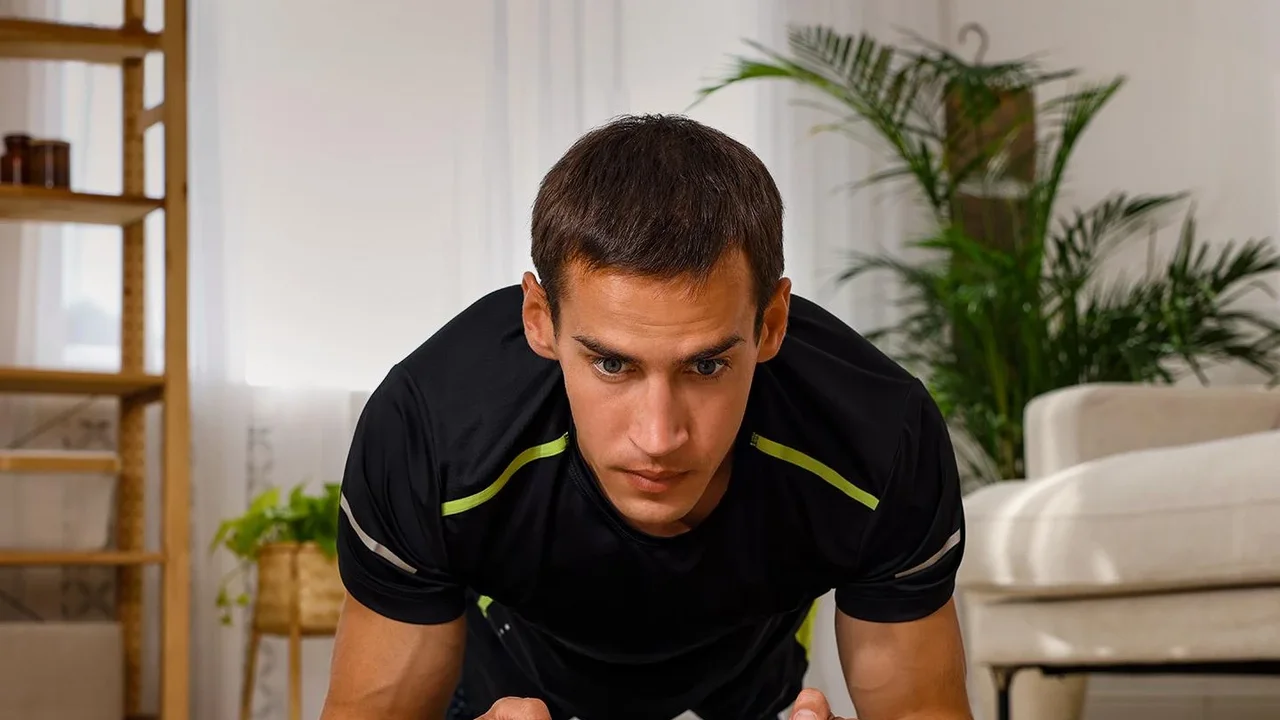
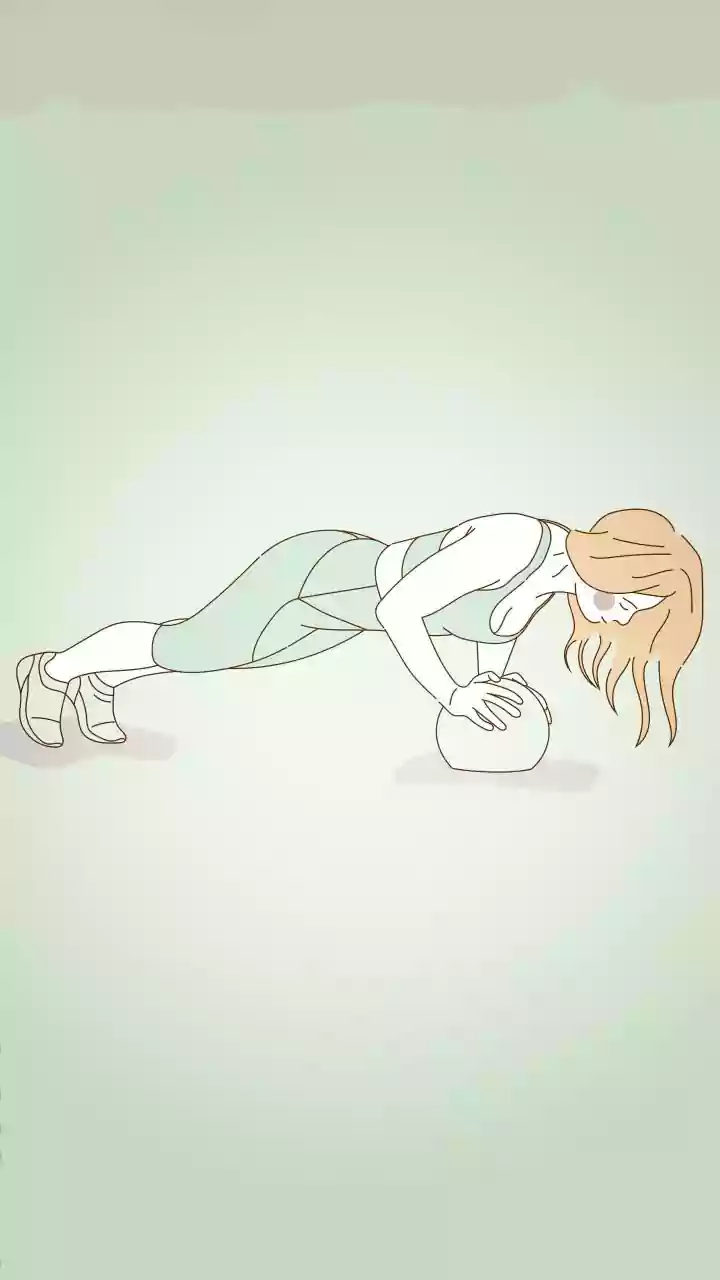
This dynamic move challenges your stability while also engaging your rectus abdominis (the 'six-pack' muscle) and obliques more deeply. It requires control and coordination, enhancing your overall core function. How to do it: Begin in a high plank position, on your hands instead of your forearms, with your wrists stacked directly under your shoulders. Keeping your back flat and your hips stable, slowly bring your right knee toward your right elbow. Pause briefly, then return your leg to the starting position. Repeat on the left side. For an added challenge, you can bring the knee across your body to the opposite elbow, which further targets the obliques. Alternate sides for a total of 20 reps.
Bird-Dog Plank
A more advanced variation, the bird-dog plank is a fantastic exercise for improving total-body stability and coordination. By lifting an opposite arm and leg simultaneously, you drastically reduce your base of support, forcing your deep core muscles to work overtime to prevent you from wobbling. How to do it: Start in a high plank position on your hands. Engage your core and glutes. Slowly lift your right arm straight out in front of you while simultaneously lifting your left leg straight back. The goal is to keep your hips and shoulders completely square to the floor. Hold for 2-3 seconds, then lower with control. Alternate sides, aiming for 6-8 reps per side.