




Why Your Compost Is a Soggy Mess
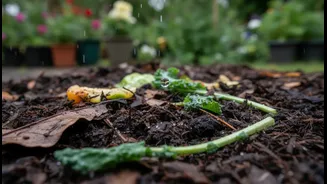
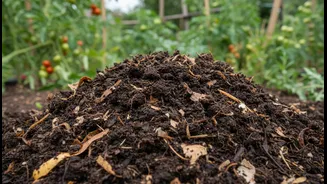
A healthy compost pile should feel like a wrung-out sponge—moist, but not dripping wet. When it becomes waterlogged, it's usually due to a few key factors. The most common culprit is an imbalance of materials. Compost needs a mix of nitrogen-rich 'greens'
(like kitchen scraps and fresh grass clippings) and carbon-rich 'browns' (like dried leaves, cardboard, and twigs). Too many 'greens' introduce excess moisture. Another cause is a lack of air. When organic matter gets too compacted, oxygen can't circulate, leading to slow, smelly, anaerobic decomposition. Finally, heavy rains can flood an uncovered or poorly drained pile, creating a swampy environment where beneficial microbes can't survive.
Signs of an Anaerobic Pile
You'll know your compost has gone anaerobic by its distinct signs. The most obvious is the smell. Instead of a pleasant, earthy scent, a wet pile often gives off a foul, rotten-egg-like odour. This is a direct result of oxygen-starved microbes producing hydrogen sulfide. The texture will also be off. Instead of crumbly soil-in-the-making, the material will feel slimy, matted, and heavy. You might even see puddles of water when you dig into it. Another key sign is temperature; a healthy pile generates heat, but an inactive, anaerobic pile will feel cold to the touch, even in the centre.
A Step-by-Step Recovery Guide
Don't despair, your compost can be saved. The first step is to stop adding any moisture-rich 'greens' or water. If your pile is open and more rain is expected, cover it with a tarp to prevent it from getting even wetter. The next, and most crucial, step is to add a significant amount of dry, 'brown' materials. Think shredded cardboard, torn-up newspaper, dried leaves, sawdust (from untreated wood), or straw. These materials are super-absorbent and will soak up the excess liquid while restoring the necessary carbon balance. As you add the browns, use a pitchfork or shovel to turn the entire pile thoroughly. This breaks up compacted clumps and reintroduces vital oxygen, encouraging the good aerobic bacteria to get back to work.
Restoring the Green-to-Brown Balance
The secret to great compost lies in the carbon-to-nitrogen (C:N) ratio. While the science can be precise, a simple rule of thumb for home gardeners is to aim for a volume of two to three parts 'browns' for every one part 'greens'. 'Greens' like vegetable peels, coffee grounds, and fresh plant cuttings provide the nitrogen that helps microorganisms grow. 'Browns' like dried leaves, coir, paper, and small twigs provide the carbon, which is the energy source for these microbes. A waterlogged pile is a sign that the ratio has skewed too far towards nitrogen-heavy greens. By adding a large volume of browns, you are not just drying the pile, but also re-establishing this fundamental balance for effective decomposition.
How to Prevent a Soggy Pile in Future
Once you've rescued your compost, a few good habits can prevent the problem from recurring. Always layer your materials. When you add a bucket of wet kitchen scraps, follow it with a generous layer of dry browns. Ensure your bin or pile has good drainage. If it's on the ground, a base layer of coarse twigs can help. If it's in a plastic bin, check that drainage holes aren't clogged. In particularly rainy seasons, covering the top of your pile can protect it from downpours, but ensure it's not sealed so air can still circulate. Finally, make a habit of turning your compost every week or two. This simple act keeps it aerated, prevents compaction, and ensures all the ingredients are mixing and decomposing evenly.