


The Big Benefits of a Lighter Touch
Shifting to cooking methods that use less fat and gentler heat is about more than just cutting calories. While reducing oil intake certainly helps with weight management, the benefits go deeper. High-heat frying can create harmful compounds, while excessive
oil, particularly saturated and trans fats, is linked to higher levels of 'bad' LDL cholesterol and an increased risk of heart disease. Methods like steaming, on the other hand, are celebrated for their ability to preserve the food's natural integrity. It's a simple switch that enhances your health by letting the quality of your ingredients shine through.
The Gentle Power of Steaming
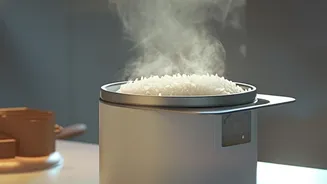
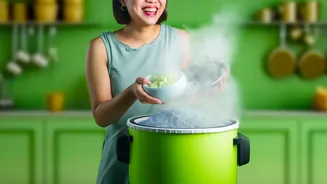
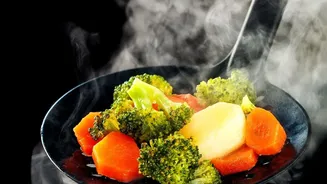
Steaming is a moist-heat cooking technique that uses the power of hot vapour to cook food. Unlike boiling, the food doesn't sit in water, which allows it to retain more of its water-soluble vitamins, like Vitamin C and B vitamins, that would otherwise leach into the cooking liquid. Studies have shown that steaming is one of the best methods for preserving nutrients and antioxidants in vegetables. It also maintains the natural texture, colour, and flavour of ingredients, resulting in vegetables that are crisp and vibrant, not mushy and dull. This gentle method works wonderfully for vegetables, fish, dumplings like momos, and even some meats, helping to melt away and remove excess fat.
How to Get Started with Steaming
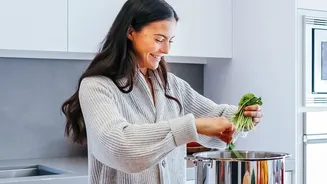
You don't need fancy equipment to start steaming. You can easily place a metal colander or sieve over a pot of simmering water, ensuring the water level is below the bottom of the colander, and cover it with a lid. Bamboo steamers are excellent for delicate items, and electric steamers offer convenience for cooking multiple items at once. To add more flavour, you can infuse the steaming water with herbs, citrus juice, or spices, which will gently season the food as it cooks. Since steaming is a gentle process, it also preserves the flavour of any spice rubs you apply directly to the food.
Rethinking Your Relationship with Oil
The goal isn't to eliminate oil entirely, as healthy unsaturated fats from sources like olive oil, nuts, and seeds are essential for health. The focus is on using less and choosing better. Many Indian cooking processes begin with a 'tadka' or tempering, which traditionally involves frying spices in a generous amount of oil or ghee. By being more mindful, you can achieve the same flavour release with a fraction of the fat. The key is to heat the pan properly and use just enough oil to get the spices sizzling, rather than swimming.
Smart Techniques for Low-Oil Cooking
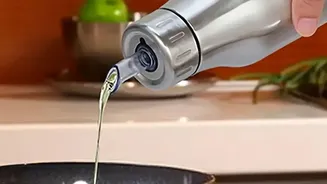
One of the easiest ways to cook with less oil is by investing in good-quality non-stick cookware, which prevents food from sticking without needing a lot of fat. When a recipe calls for sautéing, try using a few tablespoons of water or vegetable broth instead of oil. When your onions or masalas start to stick to the pan, add a splash of water to deglaze it, which loosens the ingredients and incorporates all the flavourful browned bits. Measuring your oil with a spoon instead of free-pouring from the bottle can also drastically cut down on your consumption. Modern appliances like air fryers are another fantastic tool, allowing you to achieve a crispy texture on foods with minimal to no oil.