




Start with a Healthy Plant
Your journey begins with selecting a healthy 'parent' plant. A stressed, diseased, or weak plant will yield cuttings that are unlikely to thrive. Look for a mature, robust specimen with plenty of new growth. The best time to take most cuttings is during
the plant's active growing season, typically in spring or summer, when it has the most energy to produce new roots. Trying to propagate from a struggling plant or during its dormant winter period significantly lowers your chances of success.
Gather Your Simple Toolkit
You don’t need a professional lab, but a few key items will make the process smoother and more successful. First, you'll need a sharp, clean cutting tool. A pair of secateurs, a sharp knife, or even clean scissors will work. Sterilizing your tool with rubbing alcohol is a crucial step to prevent introducing bacteria or fungus to the fresh cut. You will also need a container for your new cutting—either a glass jar for water propagation or a small pot with a suitable rooting medium for soil propagation. Having a plastic bag or a small propagator dome on hand can also help maintain humidity, which is vital for preventing cuttings from drying out.
Making the Perfect Cut
The most common mistake beginners make is cutting in the wrong place. To create a new plant, your cutting must include a node. A node is the small bump on the stem where leaves and new roots grow from. Identify a healthy stem and locate a node. Make a clean cut about a quarter-inch below it. Your cutting should be between three to six inches long and have a few leaves at the top. Carefully remove any leaves from the bottom half of the cutting, as any leaf left in water or soil will rot and can cause the entire cutting to fail. For some plants with large leaves, you can even cut the remaining leaves in half to reduce water loss while the cutting focuses its energy on root development.
Water vs. Soil Rooting
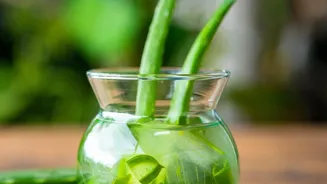
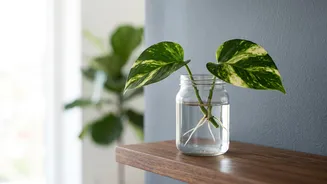
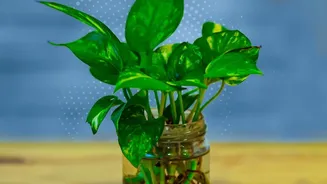
This is a classic debate among plant enthusiasts. Rooting in water is easy and allows you to visibly track root growth, which can be exciting. However, these water-grown roots can be more fragile and may experience shock when transplanted to soil. Rooting directly in a soil-less potting mix often produces a stronger, more resilient root system from the start. A good rule of thumb is that plants with softer stems, like Pothos and Philodendrons, do well in water, while those with woodier stems often prefer soil. For soil rooting, you can dip the cut end in a rooting hormone to encourage faster growth, though it is often optional for easy-to-propagate plants. The medium should be kept consistently moist but never waterlogged to prevent rot.
Nurturing Your New Plant
Once your cutting is in its water or soil home, placement is key. It needs bright, indirect light to get the energy it needs for root growth. Direct sunlight will scorch and dehydrate the fragile cutting. If you are rooting in water, change the water every few days to keep it fresh and oxygenated, which helps prevent rot. If rooting in soil, create a humid environment by loosely placing a plastic bag over the pot, ensuring the bag doesn't touch the leaves. Then, be patient. Some plants root in a couple of weeks, while others can take months. Resist the urge to constantly check for roots, as this can disturb their delicate growth.
Easy Plants for Beginners
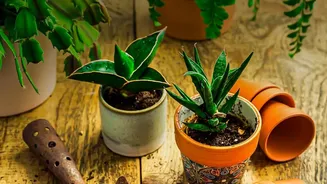
To build your confidence, start with plants that are known to be easy to propagate. Pothos, Snake Plants, Spider Plants, and most succulents are excellent choices. Many common herbs like rosemary and sage also root readily from cuttings. These plants are generally forgiving and will help you get a feel for the process before moving on to more challenging varieties. Success with these will provide the encouragement to continue expanding your indoor garden.