







Beyond Rockets: What are Payload Jobs?
When we think of the space industry, our minds often jump to rockets and astronauts. But for every launch, there's a critical, complex process happening behind the scenes: getting the cargo ready. This 'cargo' is called a payload. It could be a communication
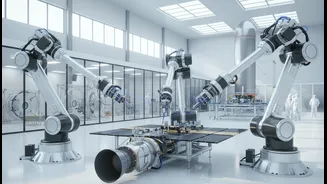
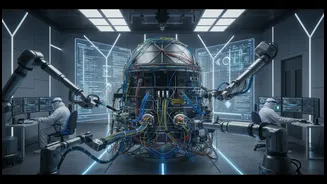
satellite, a scientific instrument, a weather sensor, or even supplies for a future space station. Payload integration and testing is the meticulous work of ensuring this valuable, and often multi-million dollar, equipment is perfectly installed onto the launch vehicle. Professionals in this field are like the master mechanics and quality controllers of the space world. They are responsible for everything from physically mounting the payload to verifying all electrical systems, running software checks, and conducting rigorous tests to ensure the payload can survive the intense vibrations and extreme temperatures of a launch and space environment. It’s a high-stakes job where precision and attention to detail are paramount.
Why is Demand Surging in India?
For decades, India's space programme was primarily government-led. However, policy reforms, including the establishment of IN-SPACe in 2020 to facilitate private participation, have opened the floodgates for a vibrant startup ecosystem. Companies like Skyroot Aerospace, Agnikul Cosmos, Pixxel, and Dhruva Space are now building everything from launch vehicles to satellite constellations. This explosion of private activity means more satellites are being built and launched than ever before. Each of these satellites needs to be integrated and tested. This has created a sudden, sharp demand for engineers and technicians who specialise in this niche. A recent report noted that India’s space tech industry is projected to grow five-fold to $44 billion by 2033, creating over 200,000 new jobs in the process. While roles in rocketry and propulsion are in the spotlight, the backend work of payload handling is becoming equally critical to the industry's success.
The Skills You Need to Enter the Field
Breaking into payload integration and testing requires a strong technical foundation. A bachelor's or master's degree in fields like aerospace, mechanical, or electrical engineering is a common starting point. Beyond a degree, specific skills are highly sought after. Expertise in systems integration, familiarity with CAD software, and an understanding of simulation tools are crucial. For payload testing, knowledge of RF/microwave systems, electronics, and environmental qualification testing (like vibration, shock, and thermal-vacuum tests) is essential. But it's not just about technical know-how. Problem-solving, meticulous attention to detail, and strong communication skills are just as important. As one specialist put it, you have to be able to comprehend everything from electrical systems and power requirements to the basic mechanical concepts for mounting the hardware, all while working under tight deadlines.
Where the Jobs Are and Who's Hiring
The jobs are emerging from a new ecosystem of private players. Bengaluru, Hyderabad, Chennai, and Ahmedabad are rapidly becoming hubs for space tech innovation. Indian startups are hiring aggressively, not just for fresh graduates but also for experienced professionals, sometimes recruiting veteran scientists from ISRO to lead their teams. Companies like Azista Space in Ahmedabad have been actively seeking leads for optical payload assembly, integration, and testing (AIT). While startups are a major source of these new roles, the talent search is broad. Some companies hire engineers from allied industries like automotive and provide them with specialised training, which can take six months to a year. As India aims to capture a larger share of the global space economy, currently estimated at over $440 billion, the demand for skilled technicians and engineers to handle the crucial 'last-mile' work of payload integration will only continue to grow.