




What is Operation Economic Outcast?
Announced on August 24, 2026, by US Treasury Secretary Scott Bessent, "Operation Economic Outcast" is a sweeping campaign of financial sanctions and diplomatic pressure intended to sever Iran's last remaining links to the global economy. Described as an "economic
onslaught," the operation aims to close loopholes in existing sanctions and force what the administration calls an "endgame" in its long-standing conflict with Iran. Bessent declared that the objective is to achieve the "economic asphyxiation" of the Iranian regime. The move represents a pivot from direct military action to all-out financial warfare, which President Trump has termed an "economic D-Day" against Tehran.
The Immediate Targets
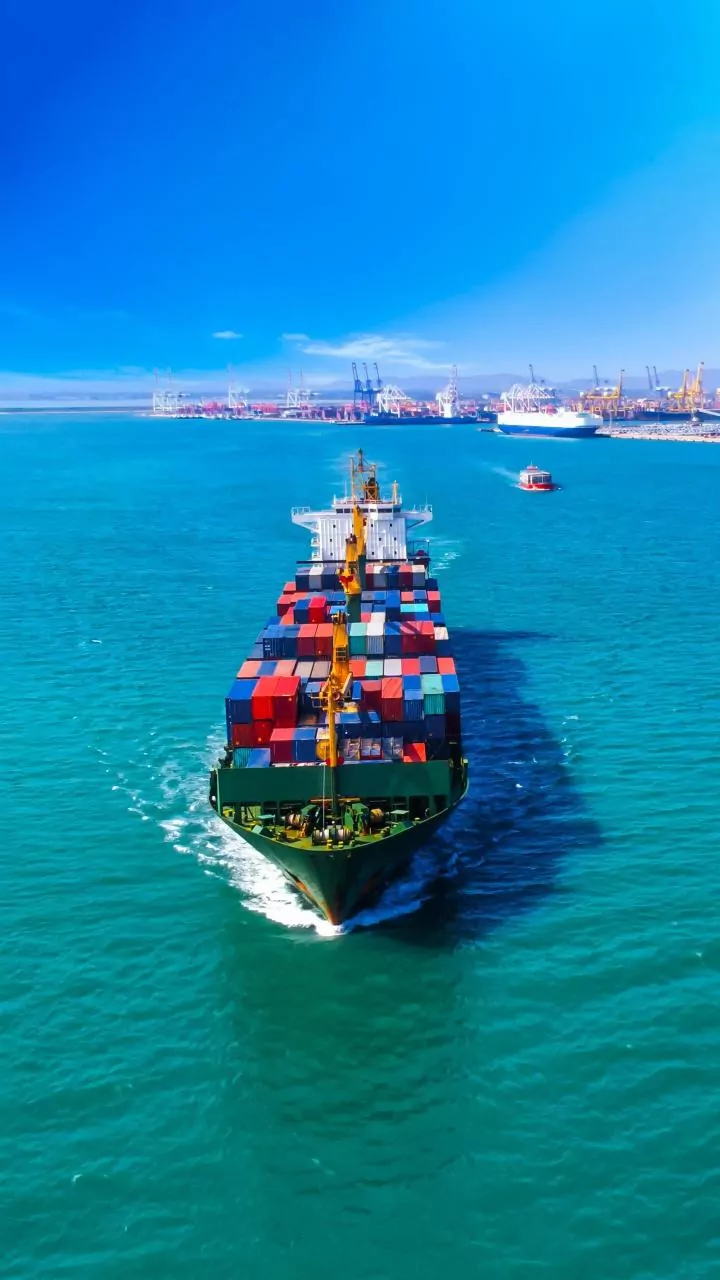
The new sanctions specifically target five crucial sectors of the Iranian economy that the US says are used to support the government and its military activities. These include digital assets and cryptocurrencies allegedly used by the Islamic Revolutionary Guard Corps (IRGC), weapons-related technologies, the gold market used to stabilize the Iranian currency, the national airline, and shipping companies accused of transporting weapons and oil. Alongside these sectoral sanctions, the Treasury Department also targeted 60 specific entities, individuals, and vessels believed to be enabling Iran's nuclear program, cyber operations, or illicit oil sales.
Why Now? The Broader Context
This new offensive comes nearly six months into a conflict between the US and Iran that has seen military strikes, a US naval blockade, and stalled diplomatic talks. With the war grinding to a stalemate and creating volatility in global energy markets, the US administration appears to be doubling down on economic tools to achieve its foreign policy goals. The initiative follows previous campaigns like "Operation Economic Fury" and the "maximum pressure" strategy of President Trump's first term. The launch of "Economic Outcast" is designed to give a final warning to countries and international companies to cease all business with Iran or risk being cut off from the US dollar system.
What It Means for India
The threat of secondary sanctions places countries like India in a difficult position. India, which has historically been one of Iran's largest trading partners, has already seen its bilateral trade plummet from a peak of $17 billion in 2019 to under $2 billion. Though India has diversified its energy sources and no longer relies heavily on Iranian oil, the new sanctions pose a risk to remaining trade in humanitarian goods like pharmaceuticals, as well as agricultural products such as rice and tea. Much of this trade is routed through the UAE, which recently suspended its own trade with Iran, further complicating matters for Indian exporters. The most significant impact for India could be a rise in global oil prices if the sanctions succeed in further restricting Iranian supply.
The Chabahar Port Dilemma
A key strategic interest for India, the Chabahar port project, faces an uncertain future. For years, the US granted India a sanctions waiver for the port, recognizing its importance for providing a trade route to Afghanistan. However, that waiver expired in April 2026, with Washington signaling it expected New Delhi to wind down its activities. The new, more aggressive stance under "Operation Economic Outcast" makes any further exemptions highly unlikely. This jeopardizes India's significant investment in the port, which was envisioned as a critical gateway to Central Asia, bypassing Pakistan, and a cornerstone of its regional connectivity strategy.