






The Science of Satiety
Feeling full, or satiety, is a complex process. It’s not just about filling your stomach; it’s about sending the right signals to your brain. This signalling is heavily influenced by the nutritional composition of your meal. Three key players in this
process are protein, fiber, and healthy fats. These nutrients are digested more slowly than simple carbohydrates, providing a steady release of energy and promoting a longer-lasting feeling of fullness. When a meal is low in these components, it can be digested quickly, leading to that all-too-familiar post-meal hunger, even if the plate was piled high. Plant-based foods are often less calorically dense than animal products, meaning you might need a larger volume to get the same energy, but volume alone isn't enough without the right balance of these key nutrients.
The Protein Puzzle
Protein is widely considered the most satiating macronutrient. It helps regulate appetite and keeps you feeling full longer than fats or carbs. A common pitfall when switching to or preparing vegetarian meals is simply removing the meat without adequately replacing the protein. A plate of pasta with a simple tomato sauce, or a salad with only leafy greens and a light vinaigrette, are classic examples of meals that lack a substantial protein source. To avoid this, it's crucial to intentionally incorporate high-quality plant-based proteins into every meal. Excellent sources include lentils, chickpeas, beans, tofu, tempeh, edamame, and quinoa. Even nuts and seeds can provide a significant protein boost. Building your meal around these protein sources, rather than treating them as an afterthought, is a fundamental shift that makes a world of difference.
The Role of Healthy Fats
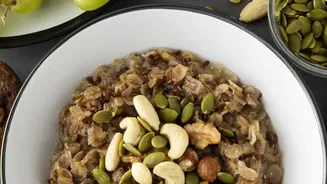
Fat has long been demonised, but healthy fats are essential for a balanced diet and play a significant role in satiety. Fat slows down the emptying of your stomach, which contributes to a prolonged feeling of fullness. It also enhances the flavour and texture of food, making a meal more satisfying on a sensory level. A meal that is nutritionally balanced but tastes bland may leave you feeling psychologically unsatisfied. Incorporating sources of healthy unsaturated fats can transform a light meal into a substantial one. Think of adding a quarter of an avocado to your salad, drizzling extra virgin olive oil on roasted vegetables, or sprinkling a handful of toasted nuts and seeds over your grain bowl. These additions not only boost satiety but also help your body absorb fat-soluble vitamins.
Harnessing the Power of Fibre
Fibre is another hero of satiety. It adds bulk to your meals and, particularly soluble fiber, forms a gel-like substance in your digestive tract. This process slows digestion, stabilises blood sugar levels, and keeps you feeling full. One of the great advantages of plant-based diets is that they are often naturally rich in fiber. However, the type of carbohydrate matters. Refined carbs like white bread, white pasta, and sugary snacks are stripped of their fiber and digest quickly, often leading to a spike and subsequent crash in blood sugar that triggers hunger. To maximise satiety, focus on whole, unrefined carbohydrates. Choose brown rice over white, whole-wheat bread over white, and fill your plate with a colourful variety of vegetables, legumes, and whole grains like quinoa and barley.
Building a Balanced Plate
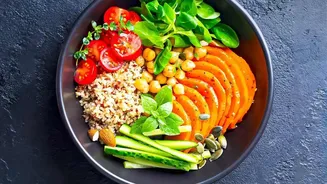
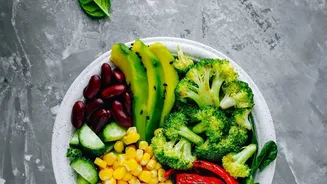
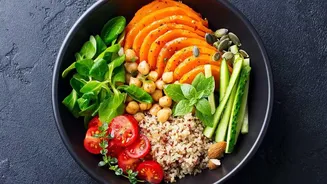
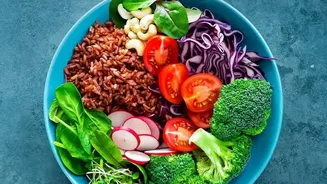
The secret to a filling vegetarian meal lies in its construction. A simple and effective visual guide is the 'plate method'. Aim to fill half of your plate with non-starchy vegetables like leafy greens, broccoli, peppers, and zucchini. These provide volume, fiber, and essential nutrients. One quarter of your plate should be dedicated to a quality protein source, such as grilled tofu, a scoop of lentil stew, or a generous portion of chickpeas. The final quarter should be filled with a high-fiber, complex carbohydrate like quinoa, sweet potato, or whole-grain pasta. Finally, don't forget to add a source of healthy fat, whether it's in the dressing, as a topping, or incorporated into the cooking process. This balanced approach ensures you are getting the blend of nutrients needed to keep you energised and satisfied for hours.