








The Petrol Precedent: A Resounding Success
To understand the significance of targeting diesel, one must first look at the success of India's Ethanol Blended Petrol (EBP) programme. What started as a modest initiative has transformed into a cornerstone of the nation's energy strategy. India has successfully
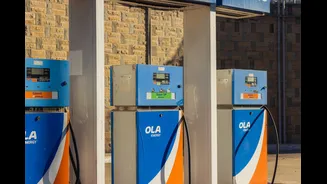
achieved its target of blending 20% ethanol with petrol (E20) well ahead of its initial 2030 deadline. This accomplishment has not been merely statistical; it has yielded tangible benefits. The government reports significant foreign exchange savings by reducing crude oil imports, lower greenhouse gas emissions, and a substantial economic boost for the agricultural sector, particularly for sugarcane and grain farmers who supply the ethanol feedstock. This proven model, which ramped up blending from just 1.5% in 2014 to 20% by 2025, has provided the confidence and the blueprint for the government to tackle the next, much larger, challenge: diesel.
Why Diesel is the Next Big Frontier
Diesel is the undisputed workhorse of the Indian economy. It powers the trucks that form the backbone of national logistics, runs the tractors that plough the fields, and fuels the generators that keep industries online. Diesel consumption in India is nearly double that of petrol, making it a far bigger component of the country's crude oil import bill. Until now, this vital fuel has remained largely outside the biofuel blending framework. Bringing diesel into the fold represents a monumental opportunity to amplify the benefits already seen with petrol blending—drastically cutting import dependence, making strides on climate commitments, and insulating the economy from volatile global oil prices. The sheer volume of diesel consumed means that even a modest blending percentage can have an outsized impact on India's energy security and environmental goals.
Introducing Isobutanol: The Diesel Alternative
A key technical hurdle has been that ethanol, the alcohol used in petrol, cannot be blended directly with diesel. The government's solution is to champion a next-generation biofuel: isobutanol. Union Minister for Road Transport and Highways, Nitin Gadkari, has confirmed that the strategy involves producing isobutanol from ethanol. Isobutanol is considered a superior option for diesel engines due to its higher energy density and better compatibility. The government is now working to permit a 15% isobutanol blend in diesel. Pilot projects have reportedly shown encouraging results, demonstrating that engines can be adapted to run efficiently on this alternative fuel. This move signals a shift towards more advanced biofuels and a commitment to finding tailored solutions for different segments of the transport sector.
Challenges on the Road Ahead
While the ambition is clear, the path to widespread diesel blending is paved with challenges. The primary hurdle for any biofuel program is securing a consistent and affordable supply of feedstock. For biodiesel and isobutanol, this involves scaling up the cultivation of non-edible oilseed-bearing trees like Karanja and Mahua, or utilizing other sources like used cooking oil and agricultural residues. The previous push for Jatropha cultivation for biodiesel yielded disappointing results due to lower-than-expected yields. Ensuring a robust supply chain without impacting food security or creating unintended environmental consequences, such as overuse of water and land, remains a critical concern. Furthermore, establishing the necessary production capacity, storage, and distribution infrastructure for isobutanol will require significant investment and a coordinated effort between the government and private sector. The price of the final blended fuel will also need to be competitive with conventional diesel to ensure widespread adoption.