






The Financial Tally of a Stalled House
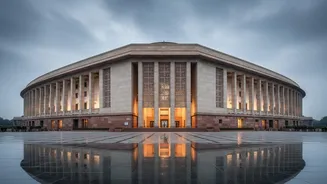
The most direct consequence of a parliamentary logjam is the financial one. While there is no single, official, real-time figure, a widely cited estimate places the cost of running Parliament at approximately ₹2.5 lakh per minute. This translates to about
₹1.5 crore per hour and can add up to ₹9 crore for a standard six-hour sitting day. These numbers, though based on calculations from over a decade ago, remain the primary reference for gauging the monetary impact. This cost doesn't simply disappear when proceedings are halted. Fixed expenses like salaries for staff, security personnel, maintenance of the sprawling Parliament complex, and utility bills continue to accrue whether any legislative work gets done or not. When a session is washed out, the taxpayer's money is spent not on debate or lawmaking, but on funding empty chambers and unproductive time.
Why Do Disruptions Happen?
Parliamentary disruptions are not random; they are often a calculated political tool. For the Opposition, it can be a method to protest against government policy, demand accountability on a pressing national issue, or draw attention to a matter they feel is being ignored. An adjournment motion, in its intended form, is a legitimate parliamentary device to set aside normal business to discuss a matter of urgent public importance. However, this tool is now frequently used to force a complete halt. Conversely, the government can also contribute to deadlocks by refusing to concede to Opposition demands for discussion or statements from senior ministers. This friction, fueled by mutual distrust, often transforms the floor of the House from a forum for debate into a political battlefield where stalling proceedings becomes the primary objective for one side or the other.
The Legislative Cost: Bills in Limbo
Perhaps more significant than the financial drain is the legislative cost. The primary function of Parliament is to legislate—to debate, scrutinise, and pass laws that govern the nation. Frequent adjournments severely cripple this core responsibility. When productive hours are lost, important bills get delayed or are passed without adequate discussion. This has several knock-on effects. Critical reforms can remain stuck in limbo for months or even years. In some instances, to make up for lost time, dozens of bills are passed in a short span with minimal debate, sometimes via a voice vote, undermining the process of careful legislative scrutiny. The casualty here is good governance, as laws are enacted without the thorough examination and debate they require.
The Democratic Deficit: When Debate Dies
Beyond money and laws, there is a deeper, more corrosive cost: the erosion of democratic accountability. Parliament is the highest forum for the people’s representatives to question the government and hold it accountable for its actions. Key parliamentary instruments like Question Hour and Zero Hour are specifically designed for this purpose, allowing MPs to raise issues of public importance. During disruptions, these are often the first casualties. When debate is replaced by shouting and walkouts, the government escapes scrutiny on critical matters. This not only weakens Parliament's oversight role but also fosters a culture where confrontation is valued over constructive dialogue, diminishing public trust in the institution itself.
Is There a Way Forward?
The problem of parliamentary disruptions is not new, and several potential solutions have been debated over the years. Ideas range from strengthening the committee system to allow for more detailed examination of bills away from the glare of the main chambers, to enforcing stricter codes of conduct for MPs. Some have even floated the idea of a 'no work, no pay' principle, though its implementation remains complex. Another suggestion is for Speakers to take stricter action against MPs who consistently disrupt proceedings. However, most experts agree that the most effective solution is political, requiring greater consensus-building between the government and the Opposition. Without a shared commitment to allowing the institution to function, procedural fixes can only go so far.