








A New Digital Blueprint for Travel
India's Ministry of Tourism is reimagining how both domestic and international tourists explore the country. The recently launched National Digital Tourism Stack (NDTS), developed with the Open Network for Digital Commerce (ONDC), is at the heart of this
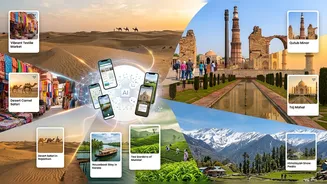
transformation. The goal is to create a unified digital infrastructure that connects the entire tourism ecosystem—from hotels and transport providers to local guides and homestay owners. This ambitious plan aims to fix the currently fragmented travel experience, where booking a flight, a hotel, a local tour, and a cab often requires using multiple, disconnected websites and apps. The vision is a seamless journey for travellers, conceptualised as 'One ticket, One pass', which integrates every aspect of a trip into a single, cohesive digital experience.
How AI Will Be Your New Travel Guide
Artificial Intelligence is the engine driving this new approach. The revamped Incredible India digital platform now uses AI to offer personalised travel suggestions based on a user's interests and past behaviour. Imagine a smart travel assistant that not only plans your itinerary but also provides real-time weather updates and suggests nearby cultural events you might enjoy. Beyond planning, AI-powered chatbots and virtual assistants will handle customer support, while partnerships with companies like InMobi's Glance will use AI-led content to tell stories about India's heritage and destinations on millions of smartphone screens. The technology will also enable virtual and augmented reality tours, allowing you to explore a destination like Amer Fort or the Red Fort immersively before you even book your ticket.
Solving the Discoverability Puzzle
One of the biggest challenges in Indian tourism has been discoverability—many incredible destinations and experiences remain unknown simply because they don't appear in online searches. The NDTS tackles this with a 'list once, reach multiple platforms' model. This means a small homestay owner or a local artisan in a remote village can list their service once and become visible across a wide network of participating travel apps. This initiative, which already covers over 1,000 experiences including 170 ASI monuments, aims to eventually include more than 23,000 tourism experiences and homestays. By promoting lesser-known destinations, the government hopes to distribute tourist footfall more evenly, taking pressure off overcrowded hotspots and channelling economic benefits to smaller communities.
Prioritising Authentic Local Experiences
The new strategy deliberately shifts focus from just sightseeing to experiencing India's cultural fabric. The government's 'Travel for LiFE' (Lifestyle for Environment) initiative encourages travellers to engage in responsible tourism that benefits local communities. This includes preferring local tour operators, supporting female-owned businesses, and spending on local products. The digital platform will actively promote these authentic experiences, from rural tourism and wellness retreats to culinary tours and craft workshops. The idea is to make travel deeper and more meaningful, encouraging visitors to stay longer, explore further, and connect with the local culture in a respectful way. This focus on sustainability and community empowerment is a core pillar of the entire digital overhaul.