




A Surprising Culinary Connection
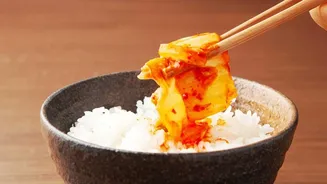
At first glance, the pairing of Korean kimchi with Indian cuisine might seem unusual. Yet, the rising popularity of this pungent side dish across India says otherwise. Fueled in part by the 'K-wave' of pop culture and dramas that bring Korean lifestyles
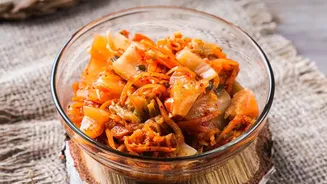
into Indian homes, a genuine culinary connection is being forged. Food fairs in cities like Gurugram now showcase Korean staples like kimchi fried rice to eager crowds, a testament to its growing acceptance. But this trend is more than just a passing fad; it’s rooted in a surprisingly similar flavour philosophy that feels both new and comfortingly familiar to the Indian diner. The core of kimchi’s appeal lies in a trio of sensations that Indian palates have celebrated for centuries: heat, sourness, and the complex magic of fermentation.
The Familiar Comfort of Heat
India’s love for spice is legendary and diverse, from the fiery chillies of Andhra to the subtle heat of the Northeast. Korean cuisine, particularly kimchi, offers a heat that is both potent and complex, primarily from gochugaru (Korean red pepper flakes). This spicy profile is one of the most immediate and welcoming aspects for an Indian palate. It’s a bold, upfront flavour that doesn’t just add fire but also a subtle sweetness and depth. This quality makes it a natural companion to Indian food, which is built on layered spices. For many, kimchi’s spiciness is not an alien taste to acquire but rather a different dialect of a language they already speak fluently. It provides a kick that awakens the palate in a way that feels intentional and well-balanced, much like the use of chillies in Indian cooking.
A Shared Appreciation for Sour
Beyond the initial hit of spice, it's the sourness of kimchi that truly solidifies its connection with Indian tastes. Indian cuisine is replete with souring agents—tamarind in sambar, kokum in coastal curries, amchur (dried mango powder) in northern dishes, and the ubiquitous tang of dahi (yogurt) everywhere. Kimchi gets its characteristic sourness from lactic acid fermentation, the same process that gives yogurt its tang. This creates a refreshing, appetizing acidity that cuts through richness and enhances other flavours. It’s this familiar sour note that makes kimchi feel less like a foreign condiment and more like a cousin to the beloved Indian achaar (pickle). While the preservation methods differ—Indian pickles often rely on oil and a wider array of spices, whereas kimchi is brined—the role they play in a meal is remarkably similar: to provide a sharp, tangy counterpoint that makes every bite more interesting.
The Deep-Rooted Love of Fermentation
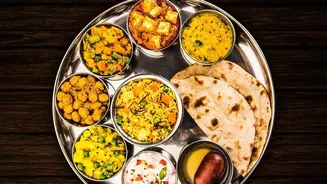
The most profound connection, however, is the shared tradition of fermentation. Fermented foods are a cornerstone of Indian culinary heritage, prized for both flavour and health benefits. The fermented batters for idli and dosa, the spongy texture of dhokla, and the probiotic richness of homemade dahi are staples in countless Indian households. In the North, the fermented drink Kanji, made from carrots, is a seasonal delicacy. This deep-seated familiarity with the complex, slightly funky taste of fermented foods means that the unique umami flavour of kimchi is not off-putting; instead, it is intriguing and satisfying. Indian diners are already accustomed to the idea that fermentation transforms simple ingredients into something more nutritious and delicious. Kimchi, therefore, isn't introducing a new concept but rather offering a novel and delicious expression of a very old one.
From Side Dish to Star Ingredient
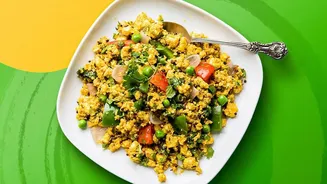
The ultimate sign of kimchi's successful integration is how it is being used in Indian kitchens. It's no longer just a side dish (banchan) served with Korean meals. Creative home cooks and chefs are incorporating it directly into Indian dishes. We now see everything from kimchi fried rice and kimchi parathas to kimchi biryani and even kimchi uttapam. Its ability to act as a single-ingredient shortcut—providing spice, acidity, and umami all at once—makes it a versatile tool. Adding a spoonful to a simple dal or a vegetable stir-fry can instantly elevate the dish, adding a layer of complexity without a long list of ingredients. This creative fusion demonstrates that kimchi is not just being accepted but embraced and made a part of India's dynamic and ever-evolving food story.