



The Great Mealtime Debate
The belief that you must choose between rice and chapati often stems from the fear of consuming too many carbohydrates in one sitting. With rising concerns about weight management and blood sugar levels, both these beloved grains have come under scrutiny.
Many nutrition plans advise cutting down on carbs, which is challenging in India where they are a dietary cornerstone. This has led to the common misconception that having rice and roti together is a dietary mistake, potentially leading to bloating, indigestion, and weight gain. While some experts do advise against mixing grains, others say there's no harm if done correctly.
A Tale of Two Grains
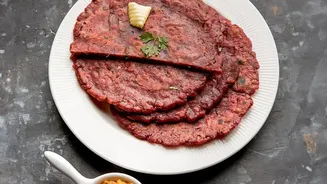
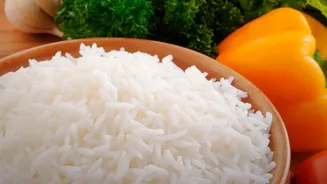
Nutritionally, rice and whole wheat chapati have distinct profiles. A 6-inch whole wheat chapati generally contains around 70-80 calories, along with more fibre, protein, and minerals like phosphorus and magnesium compared to an equivalent amount of white rice. White rice, having been polished, loses much of its fibre and nutrient content found in the bran and germ. However, rice paired with dal can form a complete protein, providing all essential amino acids. The key takeaway isn't that one is 'good' and the other 'bad', but that they offer different benefits. A whole wheat chapati is often more filling due to its higher fibre content, which can aid in satiety.
Understanding the Glycemic Index
The Glycemic Index (GI) measures how quickly a food raises blood sugar levels. Foods with a high GI cause a rapid spike, while low-GI foods release sugar more slowly. White rice typically has a high GI (around 73), while a whole wheat chapati has a medium GI (around 62). Brown rice falls in between, with a medium GI of about 68. This suggests that chapati and brown rice are generally better for stable blood sugar. However, the GI of a food is not the whole story. When eaten as part of a mixed meal with protein (like dal) and fibre (like vegetables), the overall glycemic impact is lowered significantly.
The Art of Portion Control
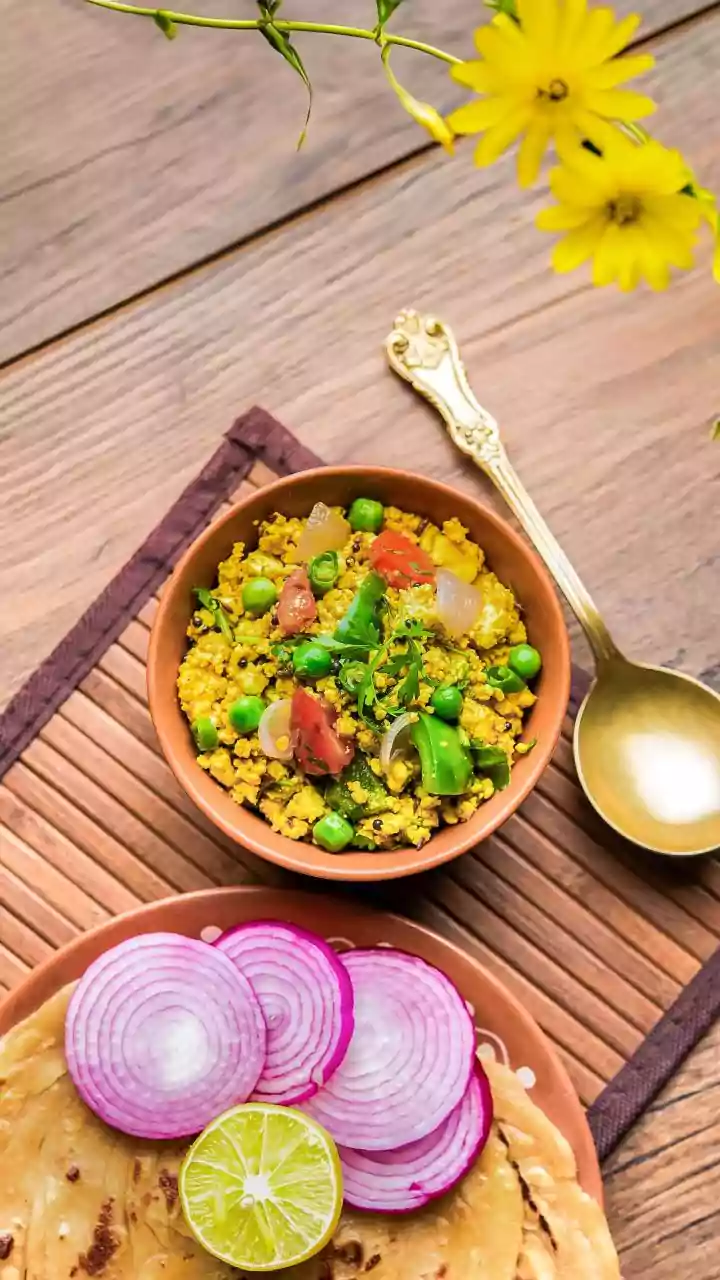
The real issue isn't the combination of rice and chapati, but the total quantity. Instead of piling your plate high with both, practice moderation. The goal is to ensure that carbohydrates, whether from rice, chapati, or both, occupy only about a quarter of your plate. A practical way to do this is to have one chapati and a small bowl (katori) of rice. This allows you to enjoy the textures and tastes of both without overloading on carbohydrates. Think of them as a single carbohydrate serving combined, rather than two separate ones. This simple shift in perspective is the most important step towards building a sensible meal.
Building a Balanced Thali
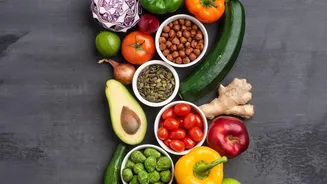
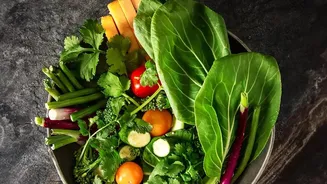
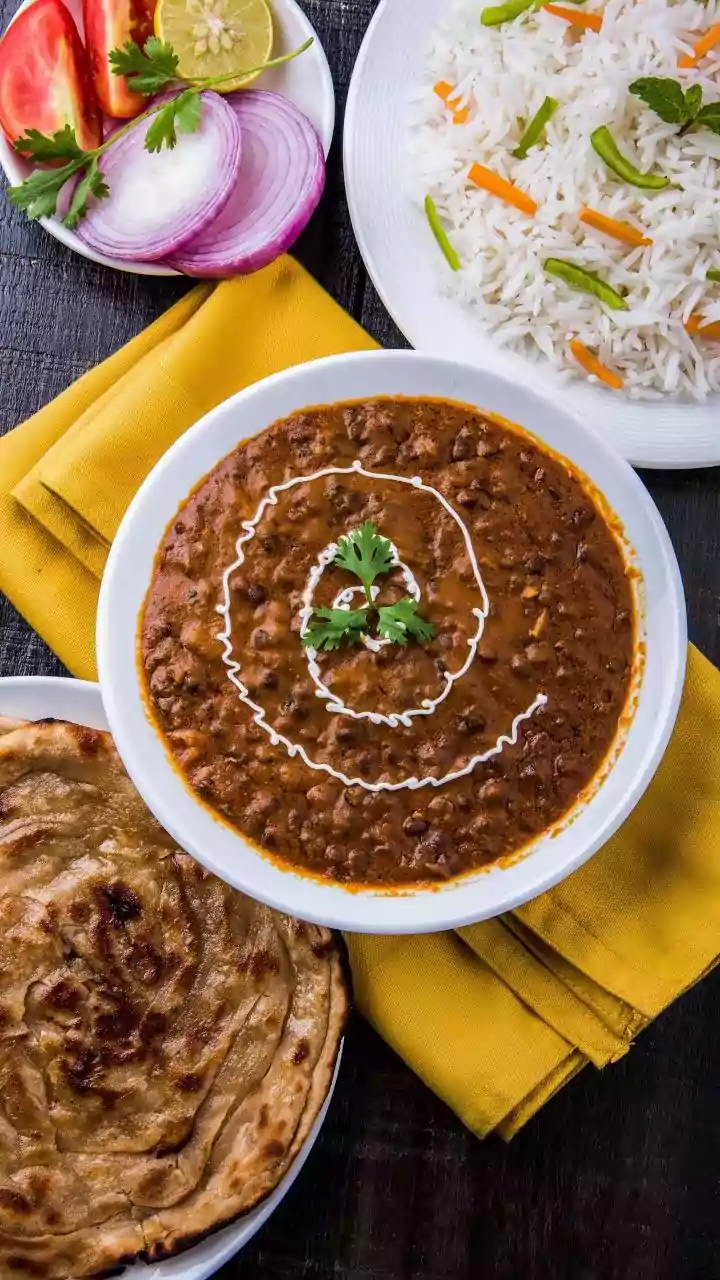
Shift your focus from the rice vs. chapati debate to the composition of your entire thali. A balanced Indian meal plate should ideally be 50% vegetables, 25% protein, and just 25% carbohydrates. So, fill half your plate with a colourful sabzi, stir-fry, or fresh salad. Fill a quarter with a protein source like dal, chickpeas, paneer, fish, or chicken. The final quarter is for your carbs – which can absolutely be a small portion of rice and one chapati. This balanced approach ensures you get essential fibre, vitamins, and protein, which slow down digestion and prevent the rapid sugar spikes associated with eating large amounts of refined carbs alone.