







The Monsoon Kitchen Challenge
The rainy season presents a unique set of challenges for the Indian kitchen. High humidity is the biggest culprit, causing food to spoil faster and dry ingredients like spices and flours to become clumpy and unusable. The dampness creates a breeding ground
for bacteria and mould, making food storage a primary concern. Furthermore, the sudden, intense cravings for elaborate snacks like pakoras, samosas, or bhajiyas mean that you need ingredients to be ready at a moment's notice. Without a system, you spend more time searching and cleaning than actually enjoying the cooking process, turning a joyful activity into a frustrating task.
Embrace the Art of 'Mise en Place'
Professional chefs live by a principle called 'mise en place', which translates to 'everything in its place'. This philosophy is incredibly effective for managing a monsoon kitchen. It simply means gathering, chopping, and organising all your ingredients before you start cooking. For Indian cooking, this could mean having chopped onions, tomatoes, ginger-garlic paste, and fresh coriander ready to go. You can dedicate some time once or twice a week to this prep work. Storing these prepped items in airtight containers in the fridge not only saves you immense time during the daily cooking rush but also ensures you use your vegetables before they wilt in the humid weather.
Master Your Greens and Vegetables
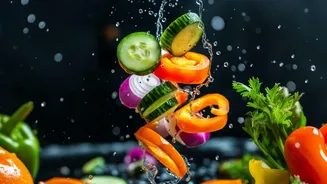
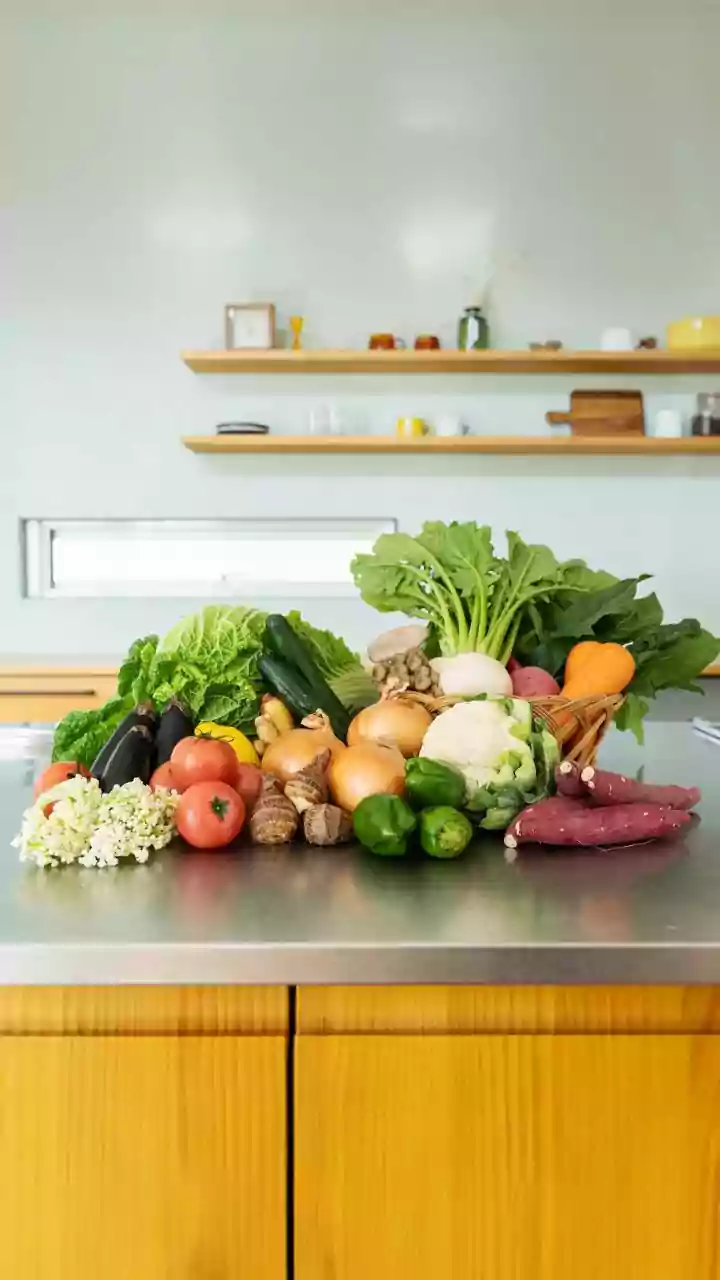
Leafy greens like spinach and coriander are particularly prone to wilting and rotting during the monsoon. To extend their life, wash them thoroughly, then pat them completely dry with a cloth or paper towel. Any residual moisture will accelerate decay. Once dry, you can wrap them in paper and store them in zip-lock bags or airtight containers in the refrigerator. For other vegetables like cauliflower or beans, the same logic applies: keep them dry and sealed. Some experts even advise against pre-cutting fruits and vegetables too far in advance, as it can increase bacterial attraction, so it's best to prep what you plan to use in the next couple of days.
Create a Dedicated Snack Station
Monsoon and fried snacks are an inseparable combination. To satisfy those pakora cravings instantly, create a dedicated 'snack station'. In a large airtight container, pre-mix your dry batter ingredients: besan (gram flour), rice flour for crispiness, turmeric, red chilli powder, and ajwain (carom seeds). Keep this mix ready on your shelf. When the mood strikes, all you need to do is add water and your chopped vegetables, like onions or spinach. You can even keep a small container of chopped green chillies and ginger nearby. This organised approach means you can have a fresh, hot batch of bhajiyas ready in minutes, without having to pull out five different spice jars and a large bag of flour each time.
Protect Your Dry Goods from Dampness
Humidity is the enemy of your pantry staples. Spices can lose their aroma, while salt and sugar can become hard lumps. The key is using airtight containers, preferably made of glass, to store everything from pulses and grains to flours and spices. For an extra layer of protection, you can lightly toast whole spices like cinnamon or pepper before storing them to remove any moisture. An old-school trick for sugar and salt jars is to add a few grains of uncooked rice, which acts as a natural desiccant to absorb excess moisture. For larger quantities of rice or flour, adding dried neem or bay leaves can help repel pests that thrive in the damp weather.