



Understanding the 'Special' in Special Trains
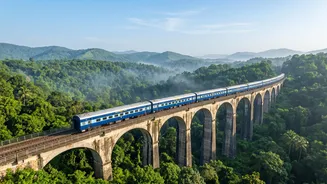
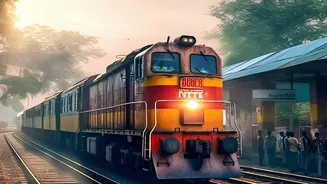
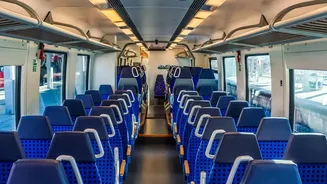
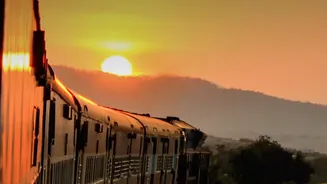
For seasoned travellers in India, the term 'special train' is a familiar one. These are not luxury services or new high-speed marvels, but temporary, demand-driven trains added to the network during periods of high traffic. Indian Railways runs these
services primarily during major festival seasons like Durga Puja, Diwali, and Chhath, as well as during summer holidays, to clear the extra rush of passengers. The core purpose is simple: to ensure that as many people as possible can get a confirmed ticket to travel home to be with their families. These trains are deployed on the busiest routes, where regular services are often booked out weeks or even months in advance. For the festive period of September to November 2026, hundreds of such special services have been announced across the country, providing a critical lifeline for last-minute planners and those on waitlisted tickets.
The Key Benefit: Direct Connectivity
One of the most practical advantages of these festival special trains is the introduction of direct routes between destinations that normally require a change of trains. For the 2026 festive season, railway authorities have specifically planned services to connect northern and southern hubs directly, a move aimed at reducing the hassle for passengers. Families travelling with children, senior citizens, or heavy luggage can now avoid the stress of navigating crowded interchange stations like Jhansi or Bhopal to catch a connecting service. This is particularly beneficial for IT professionals, students, and migrant workers journeying between states like Uttar Pradesh, Maharashtra, Karnataka, and Delhi. A single, direct train simplifies the entire travel experience, making the long journey less daunting and more comfortable from start to finish.
Routes and Services for the 2026 Festive Season
Various zones of Indian Railways have announced a comprehensive schedule for late 2026. For instance, Northern Railway is running multiple services connecting cities in Uttar Pradesh and Bihar with the national capital. Key routes include a reserved special express between Varanasi and Delhi, and services linking Chandigarh and Firozpur Cantt with Patna. Similarly, Central and Western Railways have rolled out an extensive list of trains to manage the rush in and out of Maharashtra. Over 400 special services will connect Mumbai with destinations in Uttar Pradesh, Bihar, and other parts of Maharashtra, including Nagpur and Kolhapur. Special trains have also been scheduled to connect Mumbai and Latur, as well as a popular weekly service between Dadar and Bhusaval which has been extended until late November. Southern Railway is also contributing, with services connecting Chennai with Kollam and Kanpur with Bengaluru, ensuring pan-India connectivity.
How to Book Your Ticket
Securing a seat on these special trains is straightforward and follows the standard booking process. Tickets can be booked via the official IRCTC website, the RailOne mobile app, or at any computerized Passenger Reservation System (PRS) counter across the country. Bookings for these festive trains typically open just a few days or weeks before departure, and it is highly advisable to book as early as possible once the window opens. For the services running in September and October 2026, bookings have already commenced. Passengers should look for train numbers that start with '0', as this prefix is used to identify special services. Given the high demand, checking for real-time availability and scheduling updates on the NTES portal or app is recommended before and during your journey.
What to Keep in Mind Before You Travel
While these trains are an immense help, travellers should be aware of a few practical points. First, these services run as 'special fare' trains, meaning the ticket prices are typically higher than for regular mail or express trains on the same route—often comparable to Tatkal fares. This higher fare is a trade-off for the added capacity and the chance to get a confirmed berth during peak season. Second, because special trains are not part of the regular, fixed timetable, they are often given lower operational priority. This can sometimes lead to delays, as they may be regulated to allow scheduled trains to pass. Therefore, if you have a tight connection to make at your destination, it is wise to factor in some buffer time. Despite these considerations, for millions of long-distance travellers, the availability of a confirmed seat on a direct train makes these special services an indispensable and practical choice.