




Shinjuku Gyoen, Tokyo: Three Gardens in One
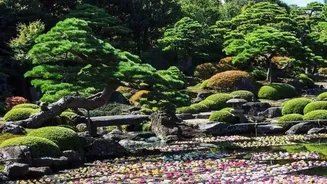
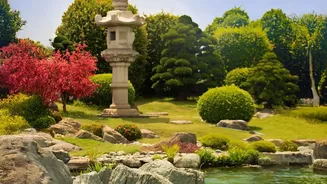
Once a private estate for the Naito family in the Edo period and later an imperial garden, Shinjuku Gyoen is now one of Tokyo's most beloved public spaces. What makes it truly special is its stunning combination of three distinct garden styles within
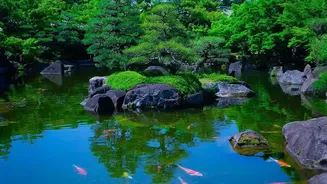
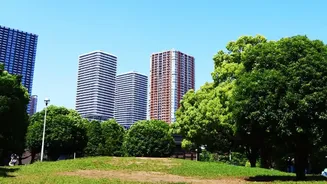
its vast 144-acre expanse. Visitors can wander from a classic Japanese Traditional Garden, complete with serene ponds and a charming teahouse, to a formal French garden with its symmetrical flowerbeds and avenues of trees. Then, they can relax on the sweeping, open lawns of the English Landscape garden. This unique blend makes it a microcosm of landscape design and a perfect place to witness the changing seasons, especially the famed cherry blossoms in spring and vibrant foliage in autumn. The park also features a beautiful tropical greenhouse, adding yet another layer to its diverse natural offerings.
Ueno Park, Tokyo: A Cultural Powerhouse
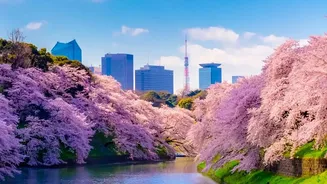
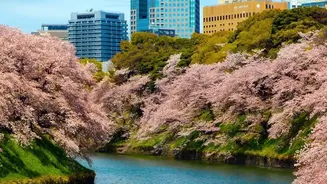
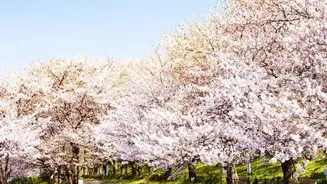
Ueno Park is far more than just a green space; it's one of Tokyo's most significant cultural centers. Established in 1873 as one of Japan's first public parks, it is built on the former grounds of the powerful Kan'ei-ji Temple. While famous for its nearly 1,000 cherry trees that attract massive crowds for 'hanami' (flower viewing) parties, the park's true depth lies in its cultural institutions. It is home to a staggering collection of museums, including the Tokyo National Museum, the National Museum of Nature and Science, and the Tokyo Metropolitan Art Museum. Beyond the museums, you can visit the historic Ueno Toshogu Shrine, dedicated to shogun Tokugawa Ieyasu, or circle the Shinobazu Pond, where a temple hall dedicated to the goddess Benten rises from the water, especially beautiful when surrounded by lotus blossoms in the summer.
Kenrokuen, Kanazawa: The Perfect Landscape
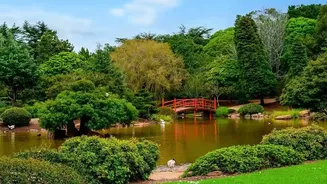
Considered one of Japan's three most beautiful landscape gardens, Kenrokuen in Kanazawa is a masterpiece of horticultural art. Its name translates to "Garden of the Six Sublimities," referring to the six essential attributes of a perfect garden: spaciousness, seclusion, artifice, antiquity, water features, and magnificent views. Formerly the outer garden of Kanazawa Castle, it was developed by the ruling Maeda clan over centuries, beginning in the 1600s, and was opened to the public in 1874. Every element, from its iconic two-legged stone lantern to Japan's oldest functioning fountain powered by natural water pressure, is meticulously placed. The garden's design invites contemplative strolls past ponds, streams, and historic teahouses, offering a tangible connection to the aesthetics and mindfulness of the samurai era. Its beauty is celebrated year-round, from spring blossoms to the dramatic 'yukitsuri' snow-ropes protecting its pines in winter.
Arashiyama Bamboo Grove & Tenryu-ji, Kyoto: A Spiritual Walk
In the western part of Kyoto, the Arashiyama district offers a dual experience that is quintessentially Japanese. The journey often starts with the world-famous Arashiyama Bamboo Grove, where a path winds through towering stalks of green bamboo, creating an almost ethereal atmosphere as sunlight filters through the dense forest. But the experience is incomplete without stepping into the adjacent Tenryu-ji Temple, a UNESCO World Heritage site. Approaching the temple from the grove's side gate enhances the sense of discovery. Tenryu-ji is one of Kyoto's great Zen temples, and its magnificent garden, designed in the 14th century, is a stunning example of 'shakkei' or "borrowed scenery," incorporating the surrounding Arashiyama mountains into its design. The combination of the sublime natural wonder of the bamboo and the deep spiritual and historical significance of the temple grounds makes this a profound cultural journey.