


From 'Last' to 'First': A Symbolic Shift
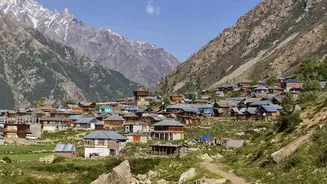
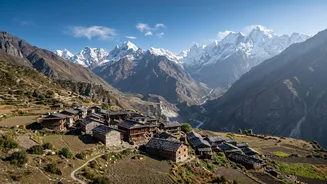
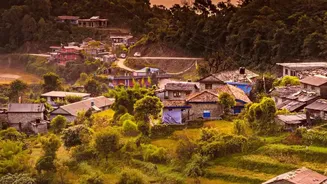
For decades, a sign at the entrance to Mana in Uttarakhand's Chamoli district declared it 'The Last Indian Village'. Situated just a few kilometres from the Badrinath shrine and about 26 km from the Indo-Tibetan border, the title was a geographical fact.
But a recent initiative has reframed its identity. The Border Roads Organisation installed a new signboard, officially designating Mana as the 'First Indian Village'. This change, endorsed by Prime Minister Narendra Modi, was more than just semantics; it was a powerful symbolic shift intended to instil national pride and change the perspective from a remote outpost to a gateway into India. This rebranding, combined with its mythological significance as the place where the sage Vyas is said to have composed texts, has put Mana firmly on the tourist map. What was once a quiet stop for pilgrims is now a destination in its own right, attracting a spike in visitors eager to see the 'first' village.
The Double-Edged Sword of Popularity
The surge in tourism has been a clear economic boon for the Bhotiya community that resides here. Before the rebranding, life revolved around daily routines and seasonal migration to escape the harsh winters. Now, commercial activity is bustling. Locals have converted homes into homestays and opened shops selling everything from handmade woollens to local delicacies. Reports suggest that dozens of houses have been transformed into businesses, creating new employment opportunities, particularly for women. However, this rapid growth comes at a cost. The influx of people is straining the village's limited infrastructure and threatening the very essence of what makes it special. The narrow stone lanes are becoming more crowded, and the delicate ecosystem is showing signs of stress.
A Rising Tide of Waste
One of the most visible and troubling consequences of increased footfall is pollution. In mid-2026, a video went viral showing tourists throwing waste into the sacred Saraswati River, which is uniquely visible for a short stretch in Mana before disappearing underground. The incident sparked outrage online and reignited urgent discussions about responsible tourism and basic civic sense. This wasn't an isolated event but a symptom of a larger problem. The fragile Himalayan environment cannot easily absorb the plastic bottles, food wrappers, and other garbage left behind by an ever-increasing number of visitors. For a place revered for its spiritual purity and natural beauty, the sight of a littered riverbed raises serious questions about whether the tourism boom is sustainable.
The Search for a Sustainable Path
The challenges in Mana are a microcosm of what many destinations across Uttarakhand are facing. In response, the state government and various organisations are promoting a more sustainable model of tourism. Initiatives like the '13 Districts, 13 Destinations' scheme aim to distribute tourist traffic more evenly and develop infrastructure systematically. Community-led tourism is being hailed as a key solution. Homestay programmes, many run by local women and supported by non-profits like Himmotthan Society, offer travellers a more authentic experience while ensuring that the economic benefits stay within the community. These models are based on the concept of 'slow tourism', encouraging visitors to immerse themselves in local culture and nature without overwhelming the destination. The focus is on low-impact activities like guided nature walks, bird watching, and experiencing traditional village life, which helps preserve both the environment and cultural heritage.
A Blueprint for the Future?
The situation in Mana offers critical lessons for countless other villages in the Himalayas that are on the cusp of a similar transformation. The key challenge is balancing economic growth with environmental preservation. Without proper management, the very qualities that attract tourists—pristine nature, quietude, and unique culture—can be destroyed. Experts stress the need for a comprehensive strategy that includes stricter waste management enforcement, capping the number of visitors in sensitive areas, and educating tourists about responsible practices. The redevelopment plans for Mana, which include beautification projects and improved sewage treatment facilities, are a step in the right direction. However, true sustainability will require a fundamental shift in mindset from both tourists and administrators, ensuring that development does not come at the cost of destruction.